APEL Roundtable Held at the University of Sarajevo: Models of Recognition of Prior Experiential Learning Discussed
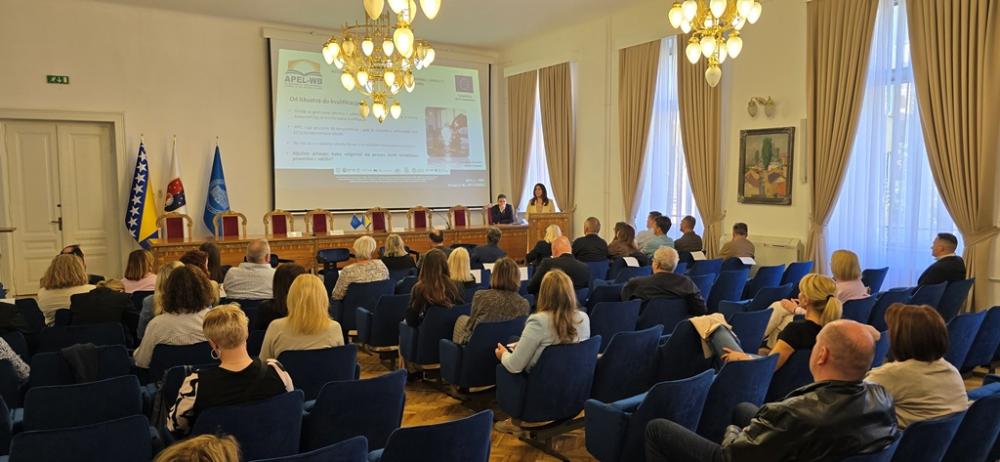


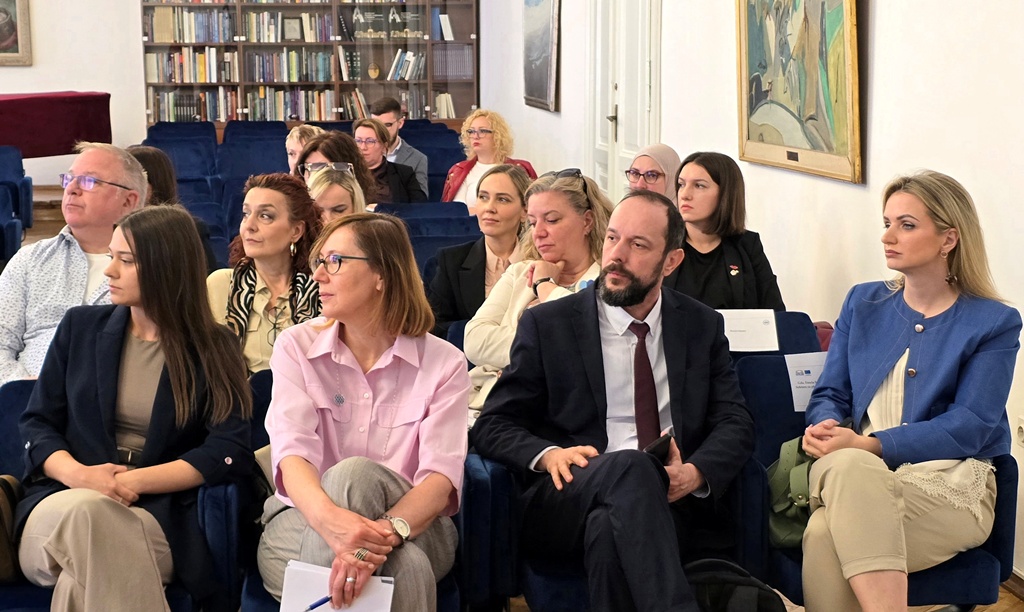
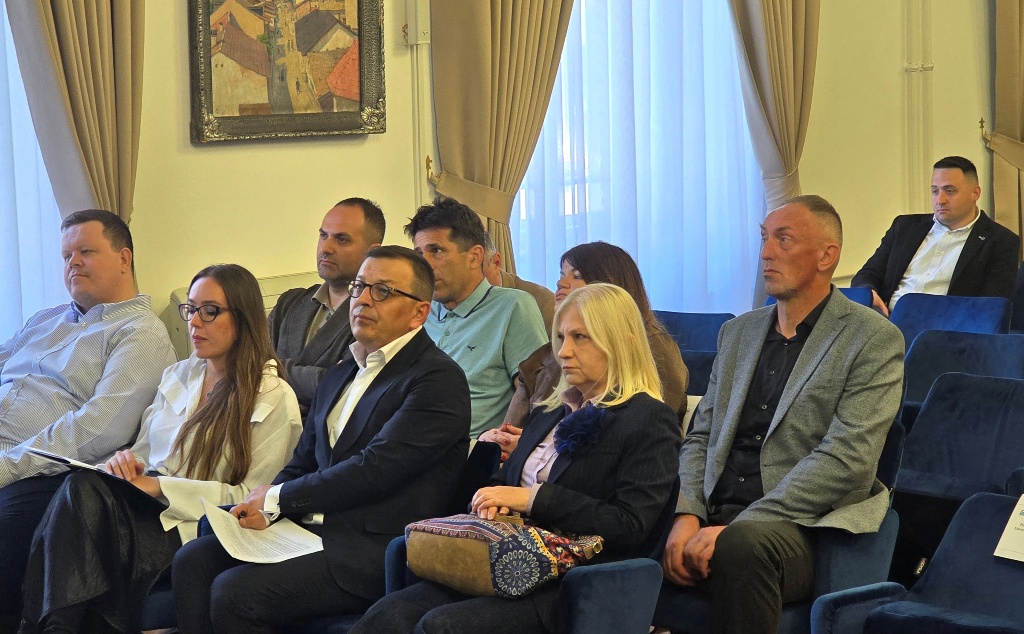
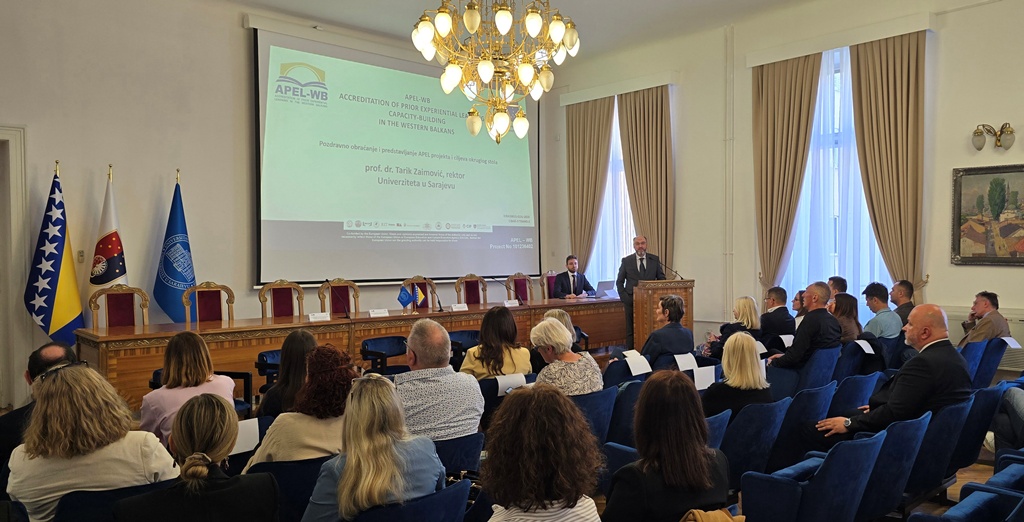
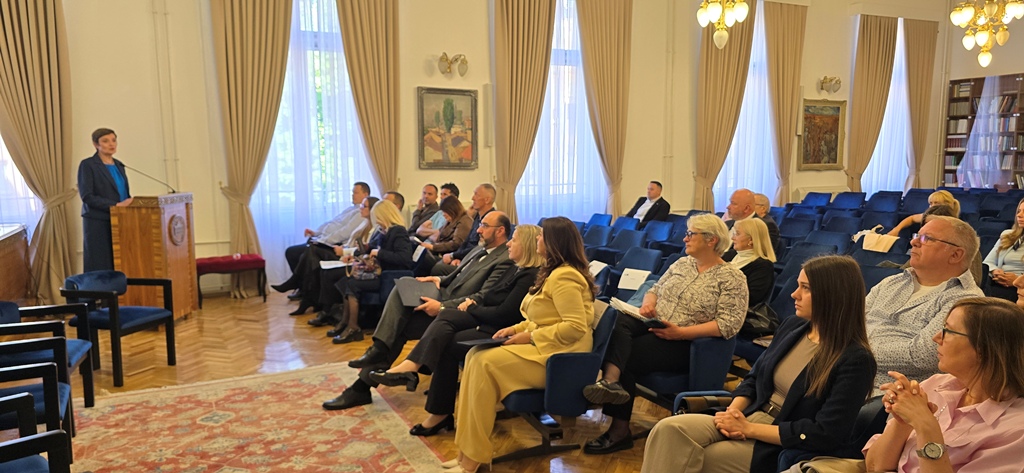
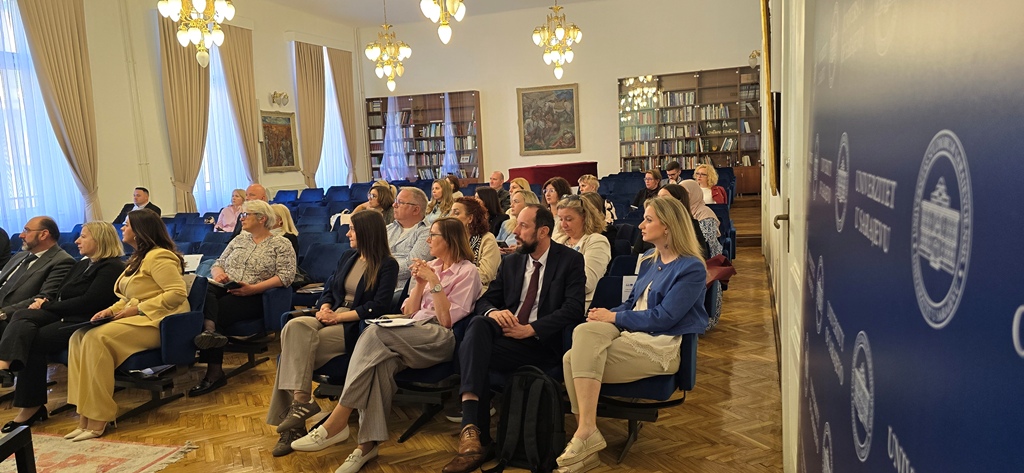
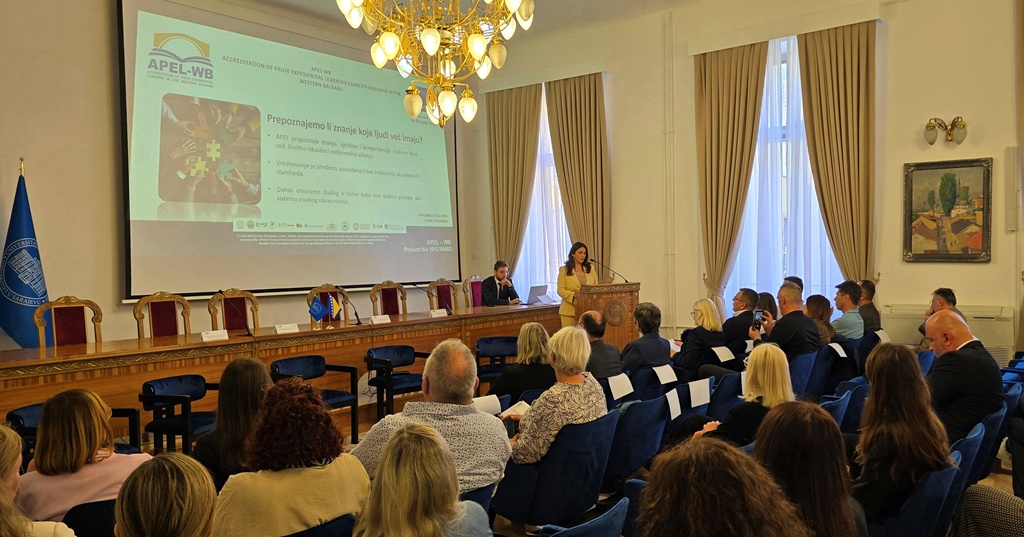
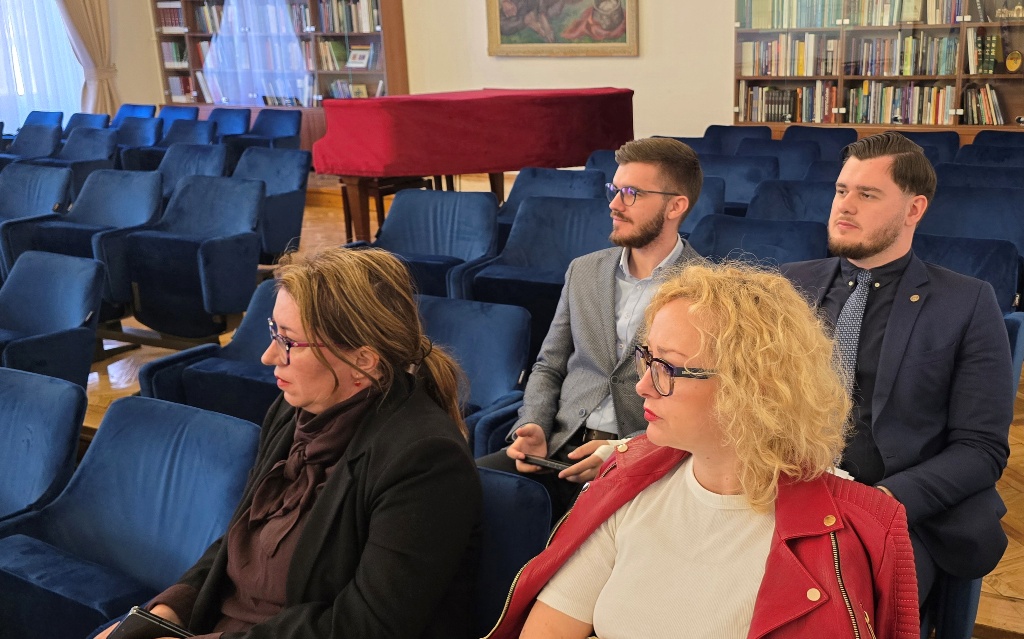
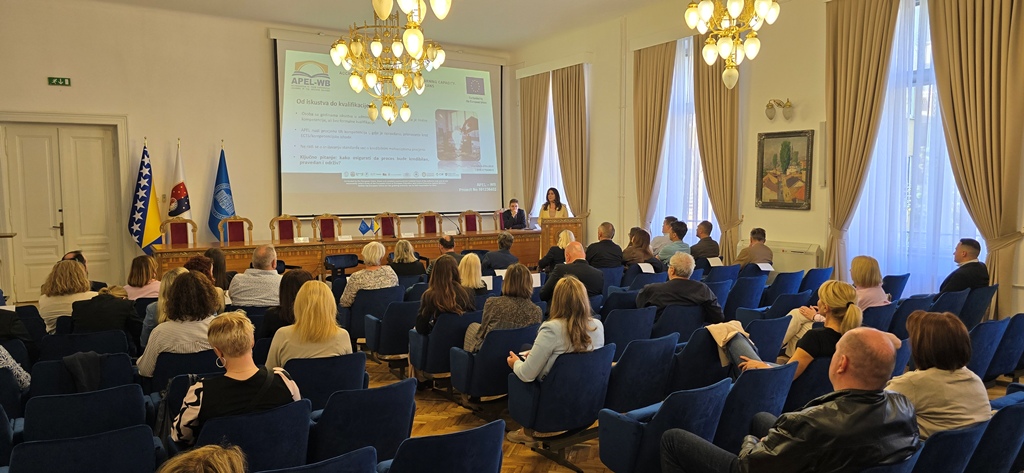
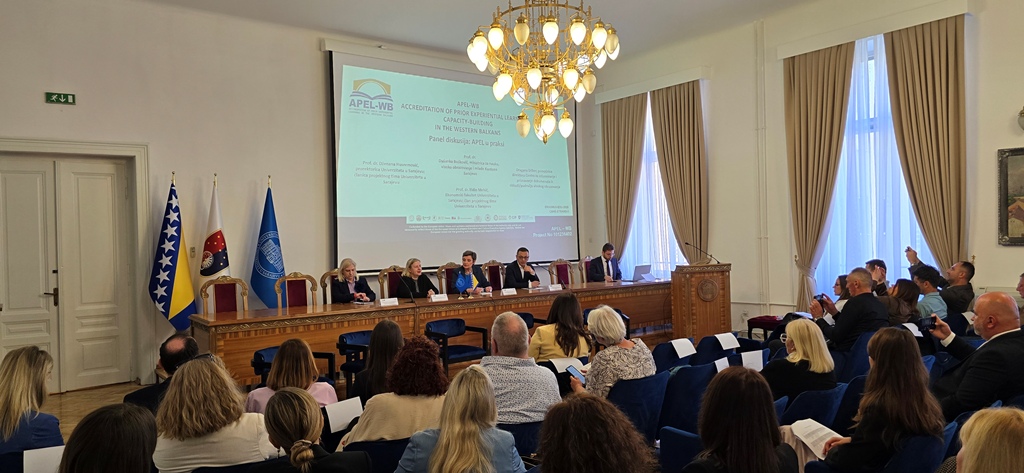
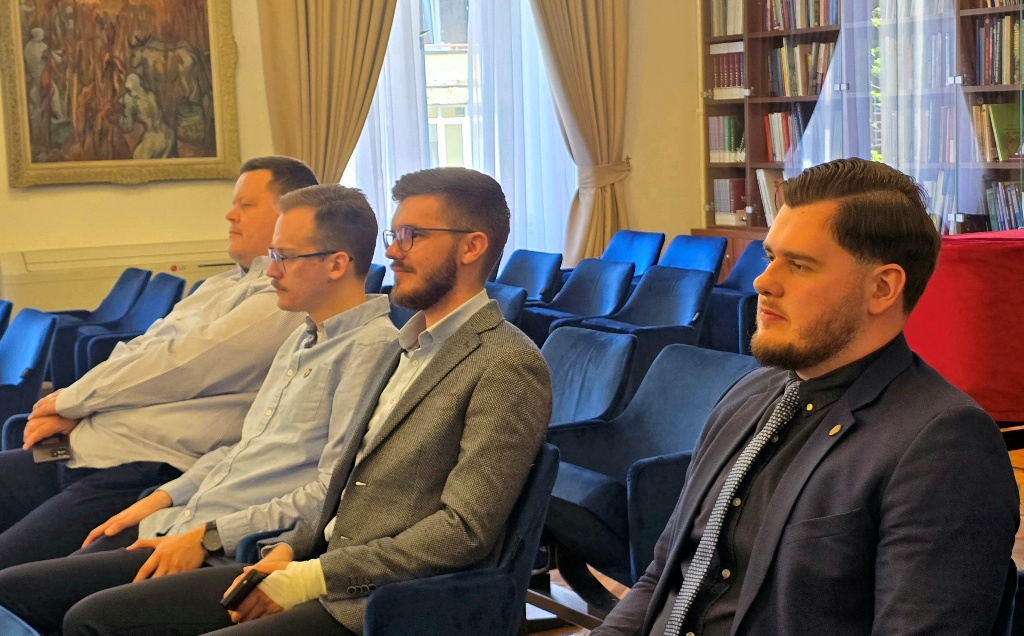
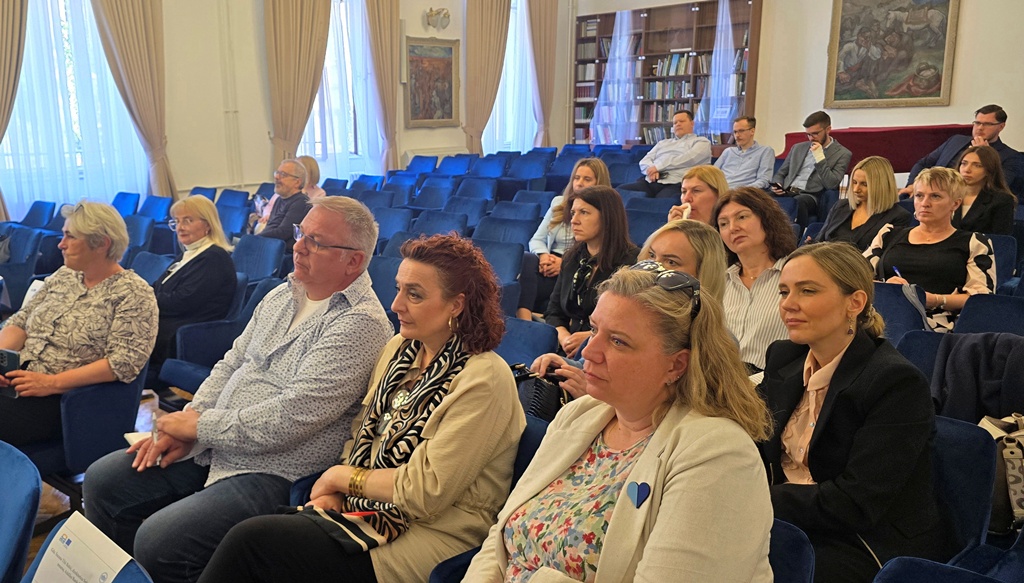
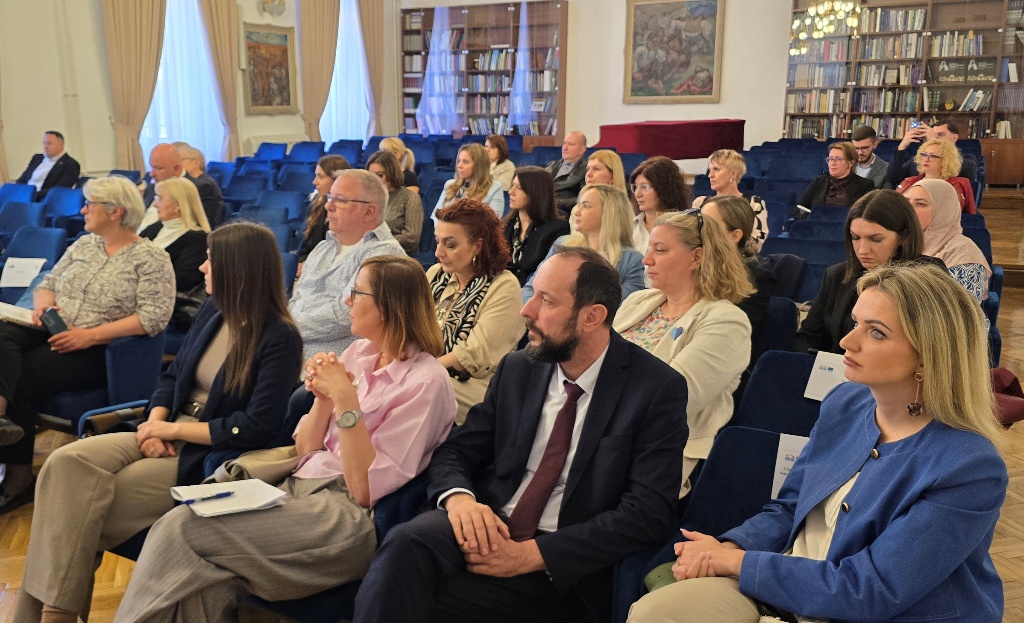
On Monday, 27 April 2026, the APEL Roundtable (APRT) was held at the University of Sarajevo, as part of the Erasmus+ project APEL-WB – Strengthening Capacity for Accreditation of Prior Experiential Learning in the Western Balkans. The event brought together representatives of academia, institutions, the labour market, policy makers and students, with the aim of exchanging experiences, presenting relevant practices and jointly reflecting on future steps in the development of the APEL approach in Bosnia and Herzegovina and the wider regional context.
APEL is a procedure by which knowledge, skills and competences acquired through work experience, non-formal education or independent learning, outside traditional academic programmes, are formally recognised and validated within the higher education system. For employers and employees, this means that long-term work experience no longer remains invisible: it can be officially validated and converted into academic credits or qualifications, opening up new paths for professional advancement without having to go through the entire study programme again.
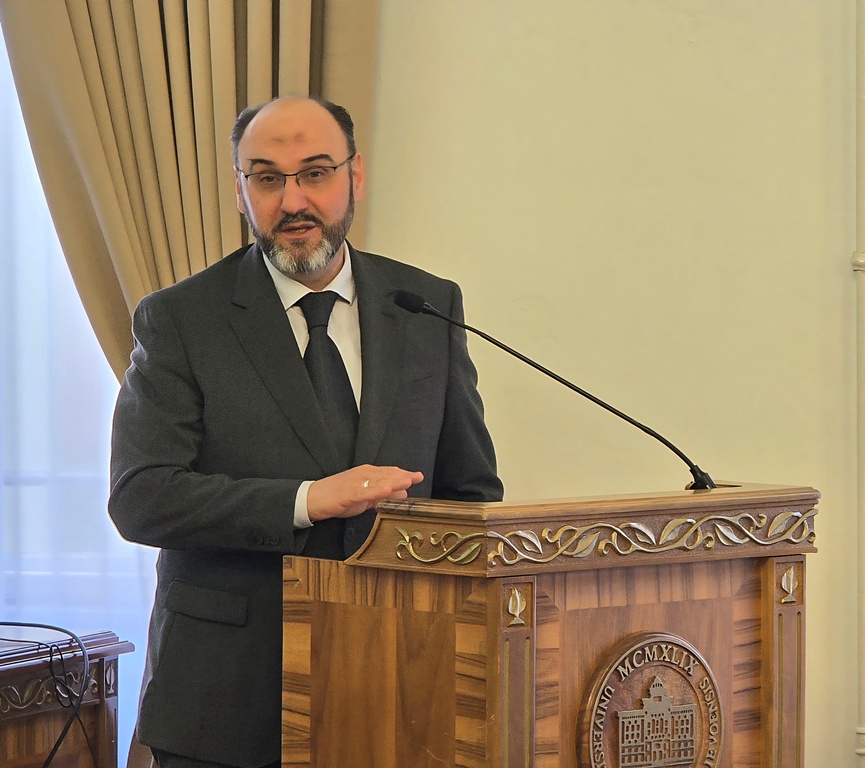
The conference was opened by Prof. Dr. Tarik Zaimović, Rector of the University of Sarajevo, who in his introductory speech highlighted the importance of developing flexible educational models and the need for institutional recognition of knowledge acquired outside the formal education system.
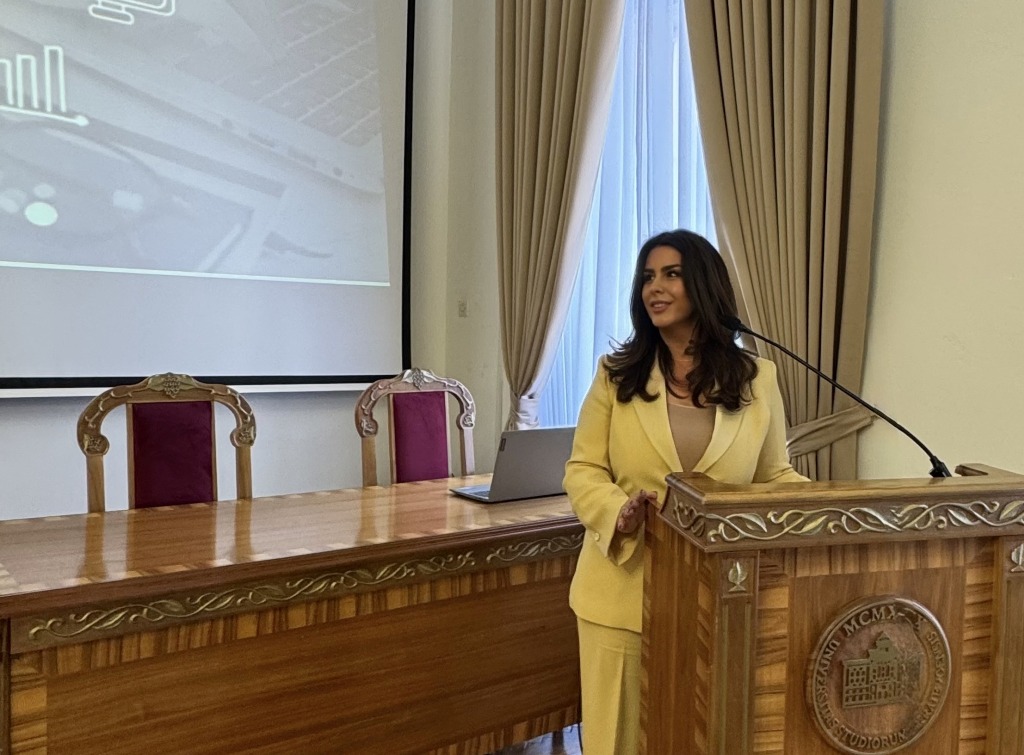
Project manager Berina Smajlović Doljančić presented the concept of APEL, its basic principles and importance in higher education, pointing out its potential for improving access to education and valorizing different forms of learning.
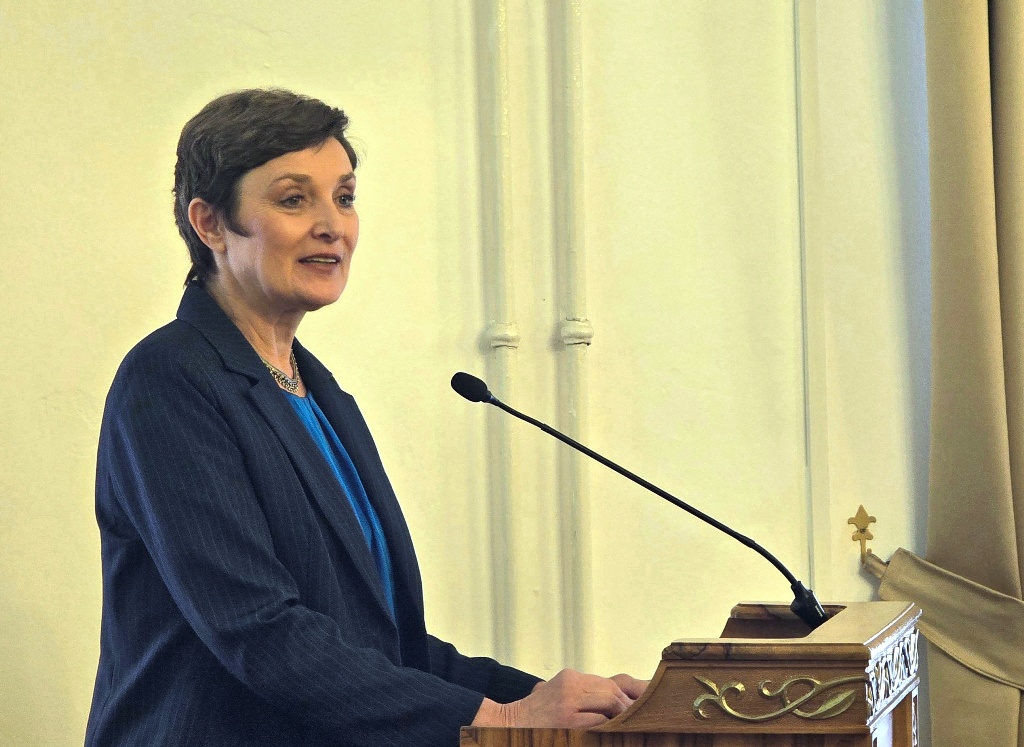
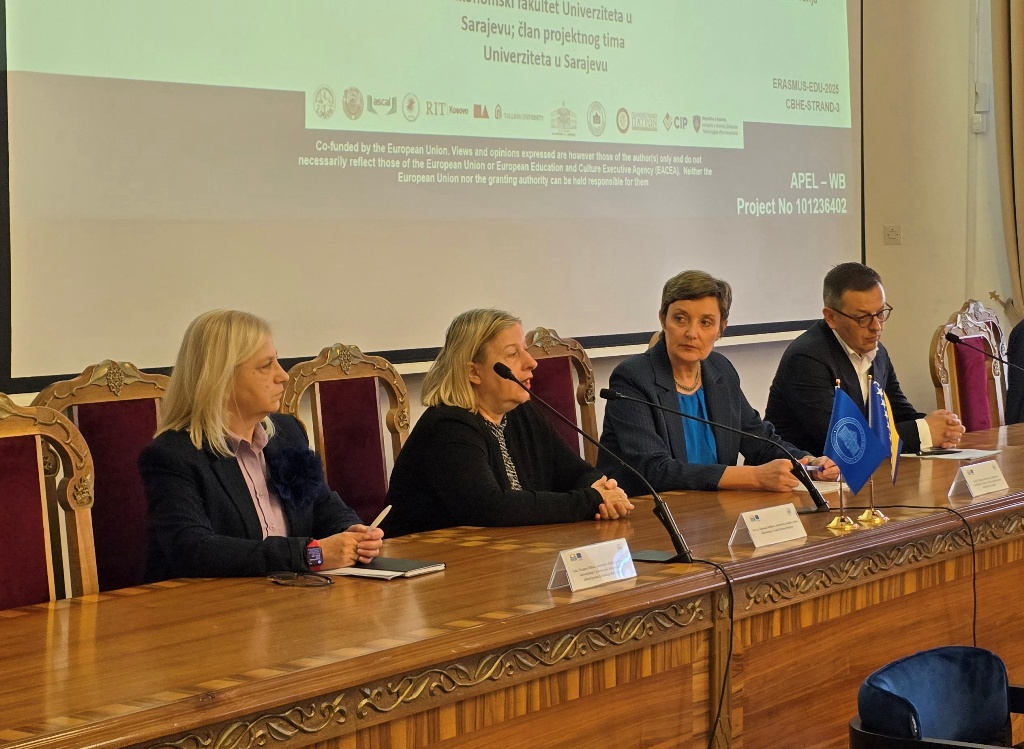
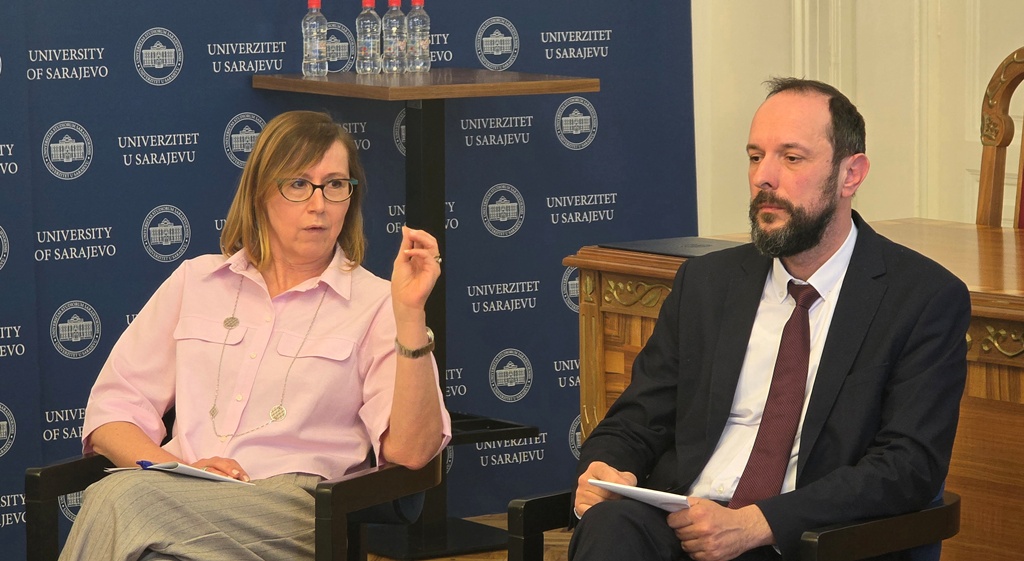
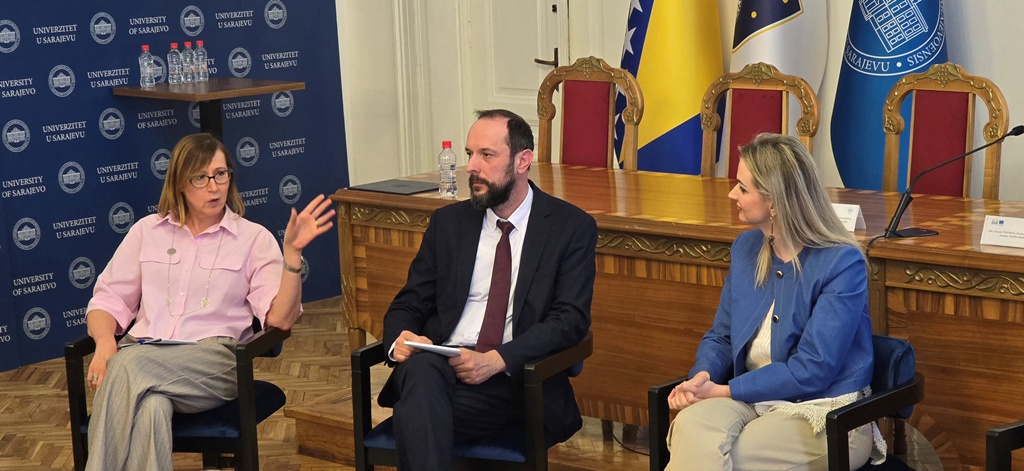
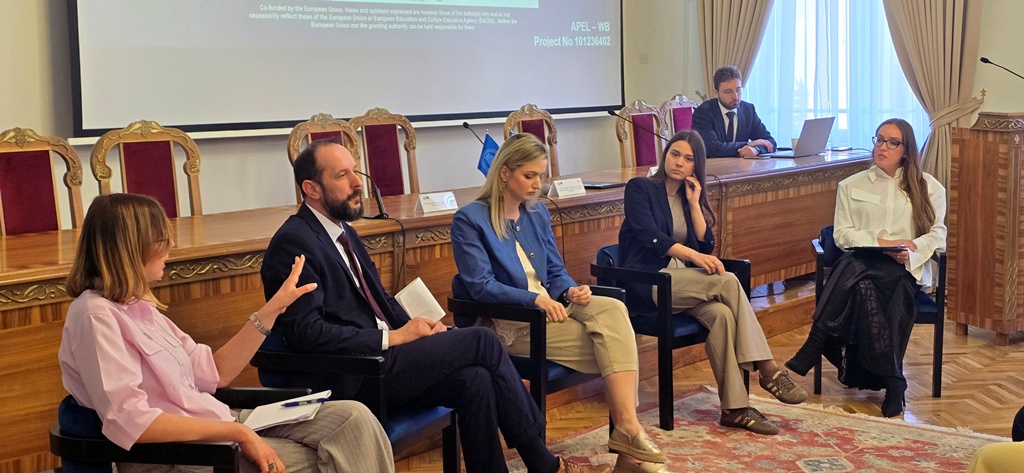
The central part of the event was the panel discussion "APEL in practice", dedicated to existing practices, institutional experiences and the normative framework. The panel was attended by Prof. Dr. Dženana Husremović, Vice-Rector of the University of Sarajevo and member of the project team, Prof. Dr. Eldin Mehić, member of the UNSA project team, Prof. Dr. Dušanka Bošković, Minister of Science, Higher Education and Youth of the Sarajevo Canton and Dragana Dilber, Assistant Director of the Center for Information and Recognition of Documents in the Field of Higher Education. Panelists discussed institutional experiences and challenges in implementing APEL, highlighting the need for a clearer regulatory framework and strengthening institutional capacities.
The session “Perspectives of relevant stakeholders” featured presentations from representatives of the labor market, public policies, and academia: Suzana Tihi Babić, Director of the Human Development and Corporate Culture Sector, Addiko Bank d.d.; Emela Serdarević-Abaspahić, Head of the Planning, Recruitment, and Employee Development Sector, BH Telecom; Dr. Omer Korjenić, Head of the Labor Market Analysis Unit, Federal Employment Agency; and Hana Sarajlić, PhD candidate and human resources specialist, University of Sarajevo. Participants emphasized the importance of recognizing prior experiential learning for improving employability, labor mobility, and better connecting education and the labor market.
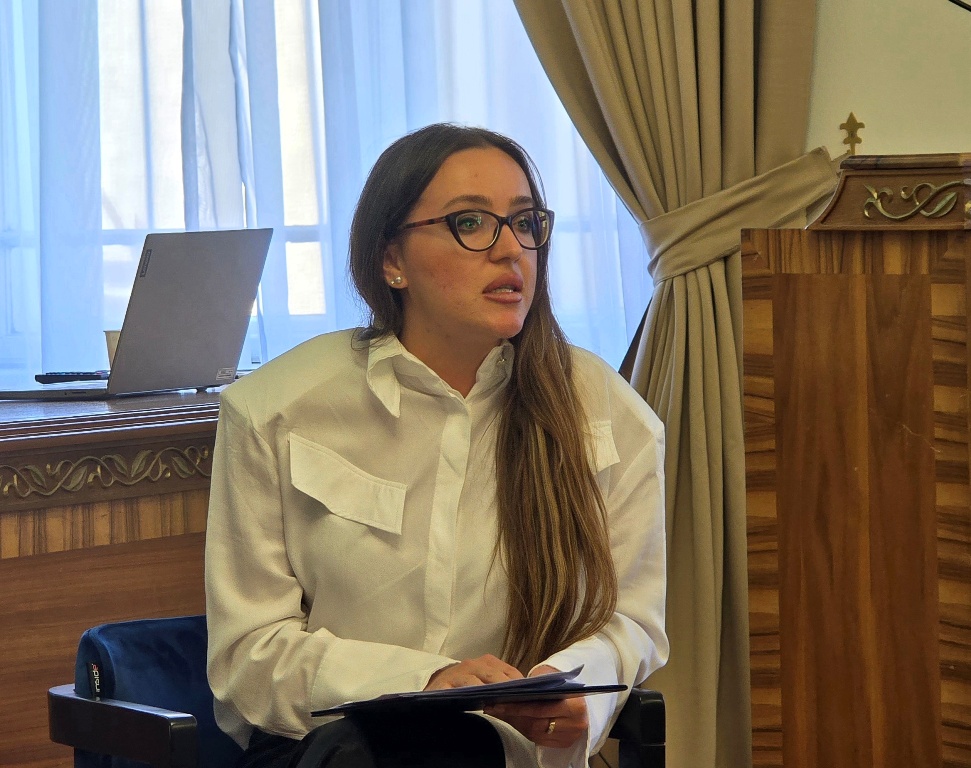
The plenary discussion opened the discussion on challenges, opportunities, and aspects of implementing APEL, and was moderated by Ilhana Lekić, member of the project team at the University of Sarajevo.
Prof. Dr. Eldin Mehić from the Faculty of Economics, University of Sarajevo, a member of the University of Sarajevo project team, presented the main conclusions and preliminary recommendations, resulting from the discussions and presentations during the roundtable.
The closing session, which included closing remarks and an overview of the next steps, was held by Prof. Dr. Dženana Husremović, emphasizing the importance of further developing the APEL approach as an important segment of the modernization of higher education.
It was concluded that APEL represents a key instrument for the formal recognition of knowledge, skills and competences acquired through work experience, non-formal education and independent learning, thus opening up new opportunities for professional development and lifelong learning.