How is the transport of goods from one continent to another organized? Who sets the price of transport, how is a place on a ship booked, and what happens when a container arrives late at port?
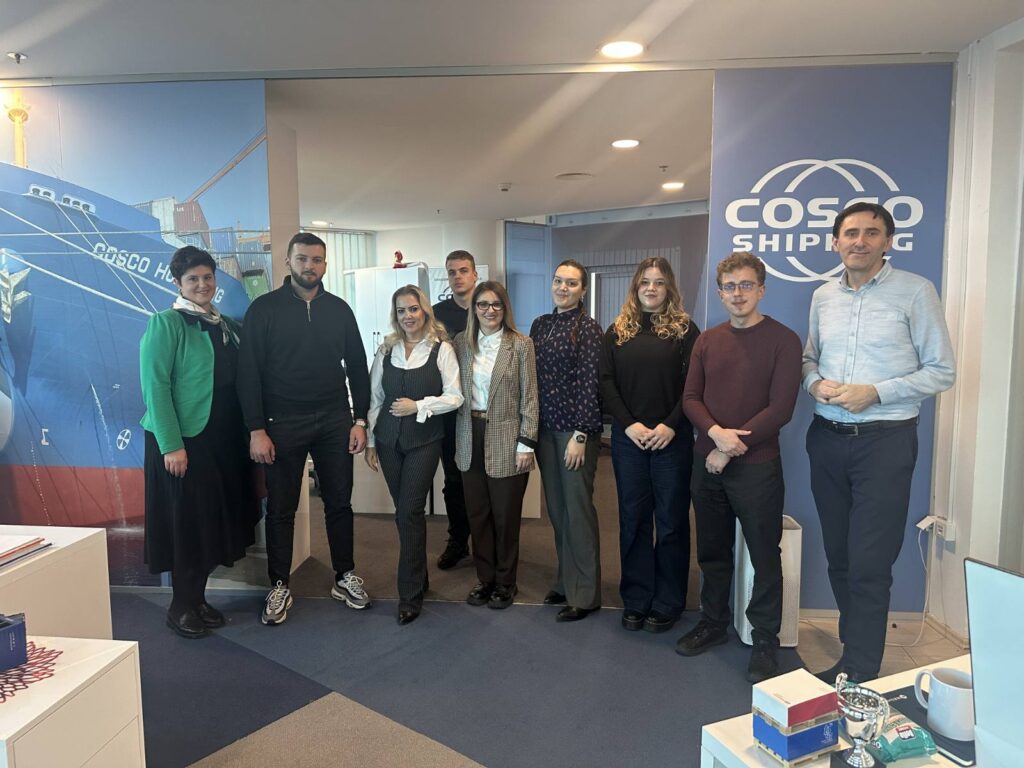
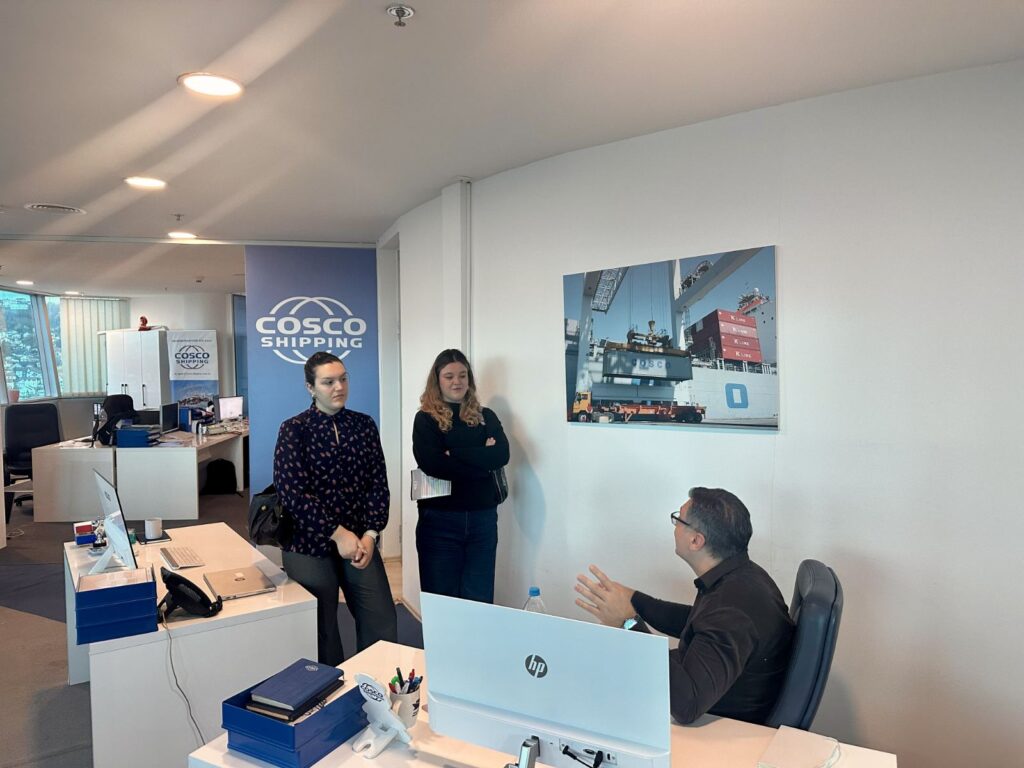
Answers to these and numerous other questions were obtained by students of the Faculty of Traffic and Communications of the University of Sarajevo during an expert visit to the company Dragon Maritime SEE, the regional representative of one of the world's largest container shipping companies, COSCO SHIPPING Lines.
The visit was organized within the student challenge Supply Chain Challenge 2030 – AS IS / TO BE, which GS1 Bosnia and Herzegovina is implementing in cooperation with the Faculty, on the occasion of Logistics Day 2026.
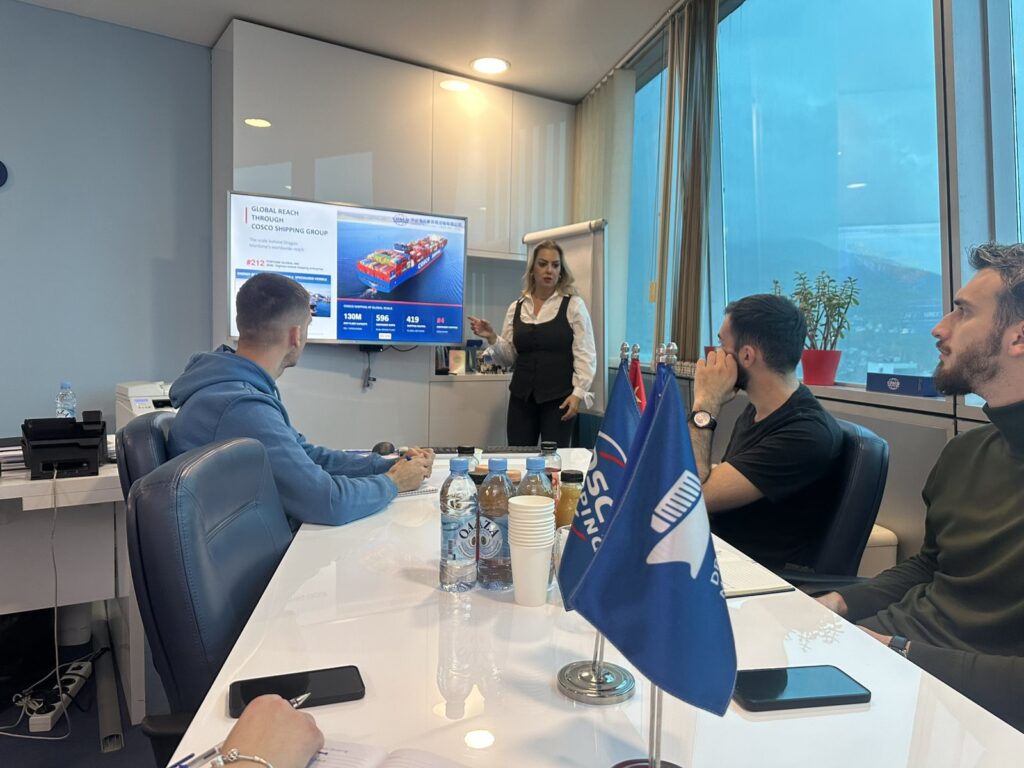
From global shipping routes to a concrete export from BiH
The students learned about the way international maritime transport functions, the role of shipping companies and maritime agencies, and the everyday work of the commercial and operational sectors for import and export.
There was discussion of major world ports, shipping alliances, container depots, the formation of transport prices and the importance of the ports of Rijeka and Ploče for the economy of Bosnia and Herzegovina.
A particularly interesting part of the visit was a case study of organizing the export of goods from Prnjavor to Israel. The students followed the process step by step – from the client's inquiry, the selection of a suitable container and the checking of ship capacities to the booking of transport, the preparation of documentation and the delivery of the goods.
Through this example they were able to see how much coordination is needed for a single shipment to successfully reach its destination.
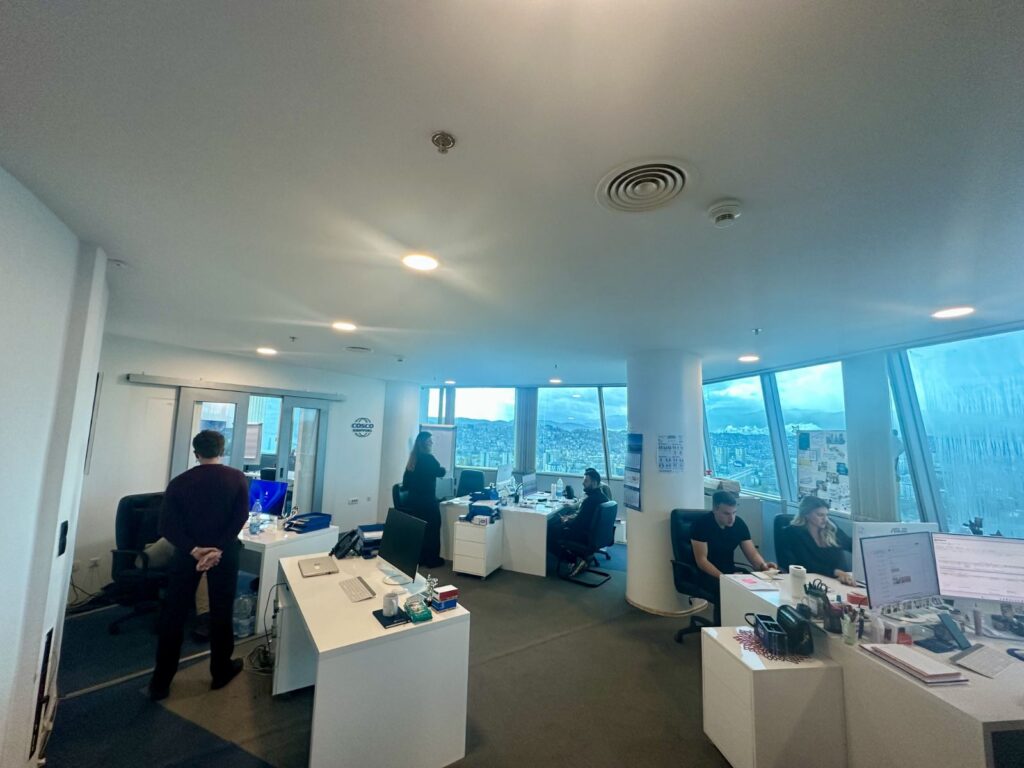
Digitalization and the transport potential of Bosnia and Herzegovina
One of the important topics was also the digitalization of maritime documentation, in particular the transition from the traditional paper to the electronic bill of lading (eBL).
The conversation also opened up toward broader questions of transport development in Bosnia and Herzegovina. The students were interested in possibilities for better connectivity of maritime, road and rail traffic, infrastructure shortcomings and the need for coordinated strategic development of the transport system.
The company's representatives emphasized how important infrastructure, efficient transport corridors and long-term planning are for the competitiveness of the domestic economy.
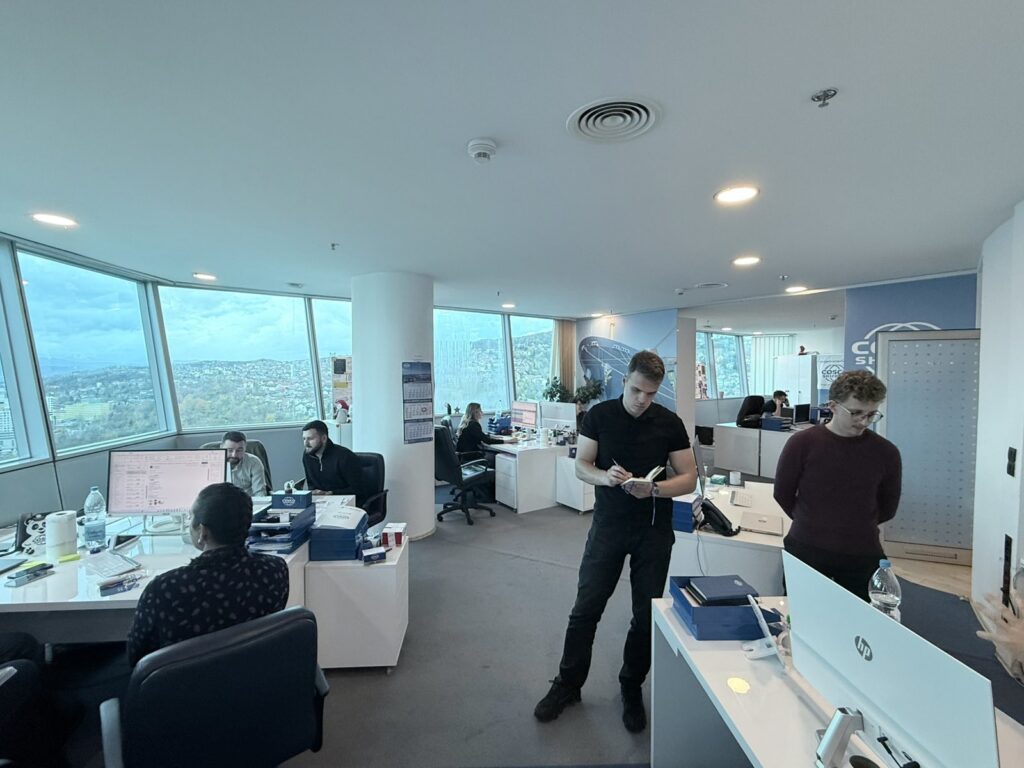
Every visit reveals a new link in the supply chain
After becoming acquainted with production processes at the company Mladegs Pak, road transport at UNIT GROUP and rail logistics at Rail Cargo Logistics – BH, through their visit to Dragon Maritime SEE the students had the opportunity to consider the international maritime dimension of the supply chain as well.
Each new visit enables them to better understand how closely the various participants are interconnected and how challenges in one part of the chain can affect all the others.
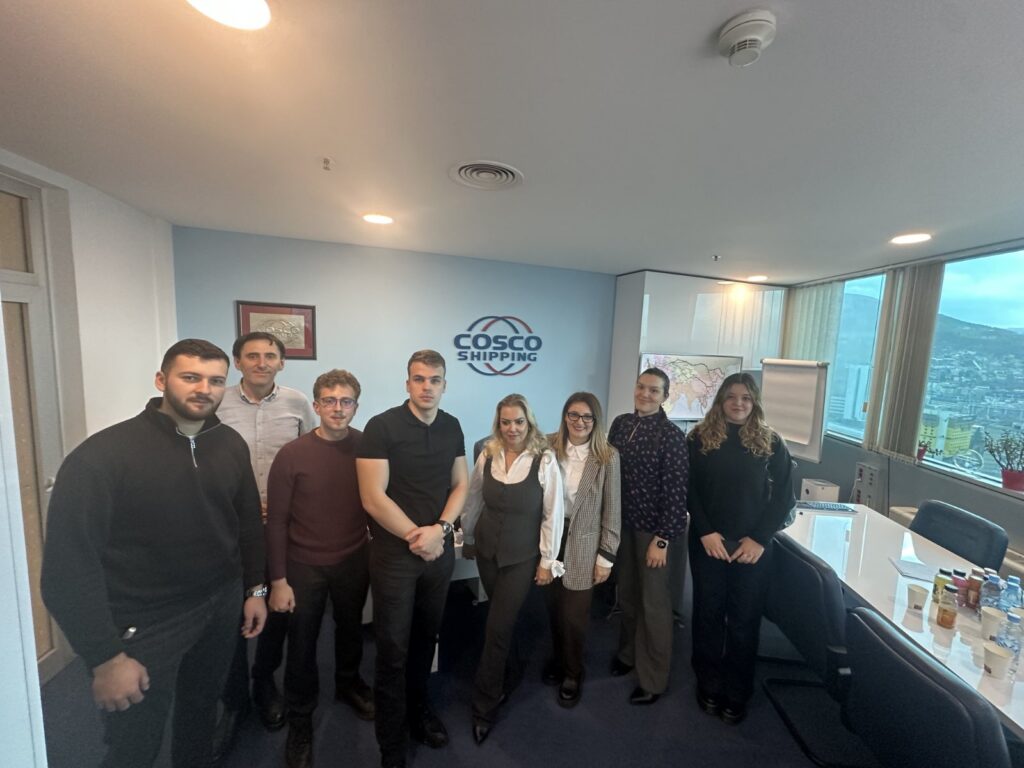
The students will use the experience gained in further work on the Supply Chain Challenge 2030 – AS IS / TO BE challenge, whose final debate will be held on 17 December 2026. The award in the amount of 5,000 BAM is provided by GS1 Bosnia and Herzegovina.
The Dean of the Faculty of Traffic and Communications, Prof. Dr. Amel Kosovac on behalf of the Faculty, extended sincere thanks to the Dragon Maritime SEE team for their hospitality, the time set aside and their readiness to share with the students professional knowledge and experience from everyday practice. In this expert visit, as representatives of the Faculty of Traffic and Communications of the University of Sarajevo, Assistant Prof. Dr. Mirza Berković and Assistant Prof. Dr. Adisa Medić participated, providing the students with support in connecting theoretical knowledge with practical experience in the field of international logistics and supply chain management.
It is precisely such encounters that confirm the importance of continuous cooperation between the academic community and the economic sector, enabling students, alongside theoretical knowledge, to get to know the people, processes and companies that shape the modern world of logistics every day.