Exhibition “Crimes at Markale: Killing and Wounding of Civilians – Prosecution of Perpetrators, Denial of Truth, Resistance to Forgetting” Opened
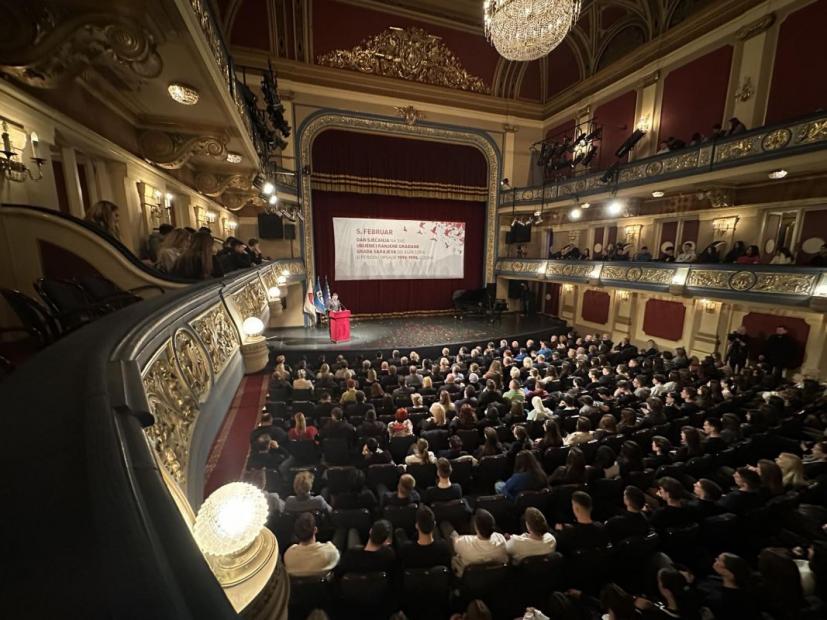


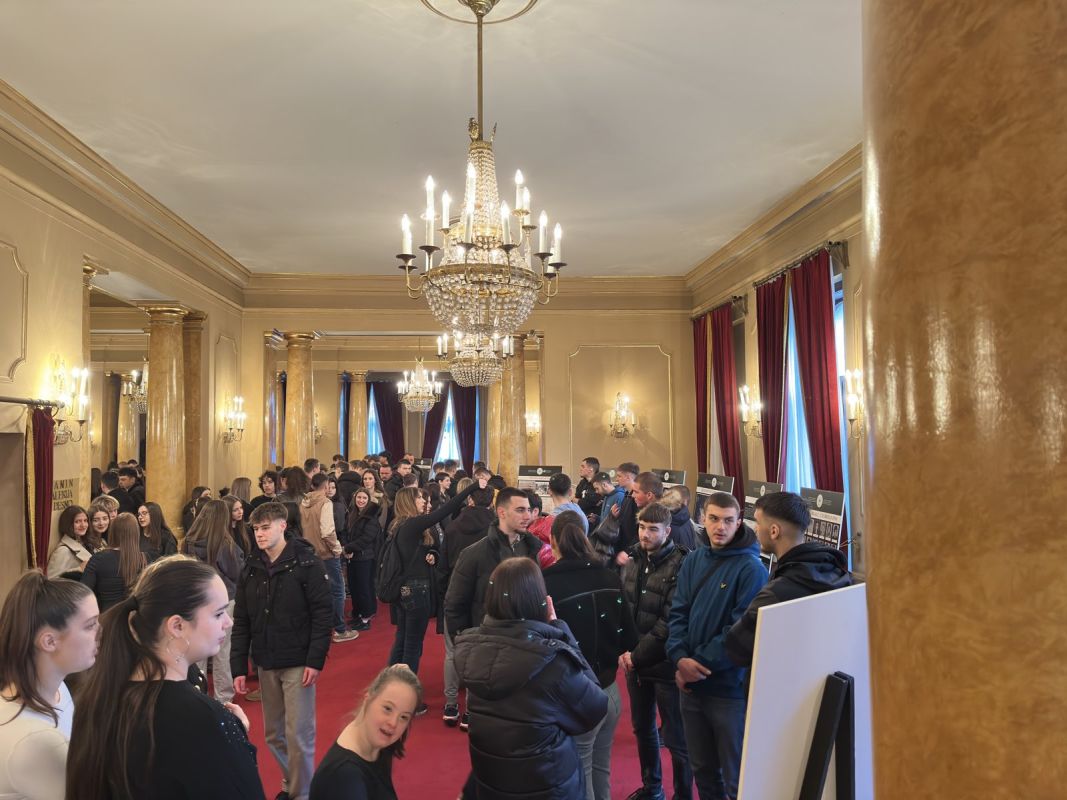
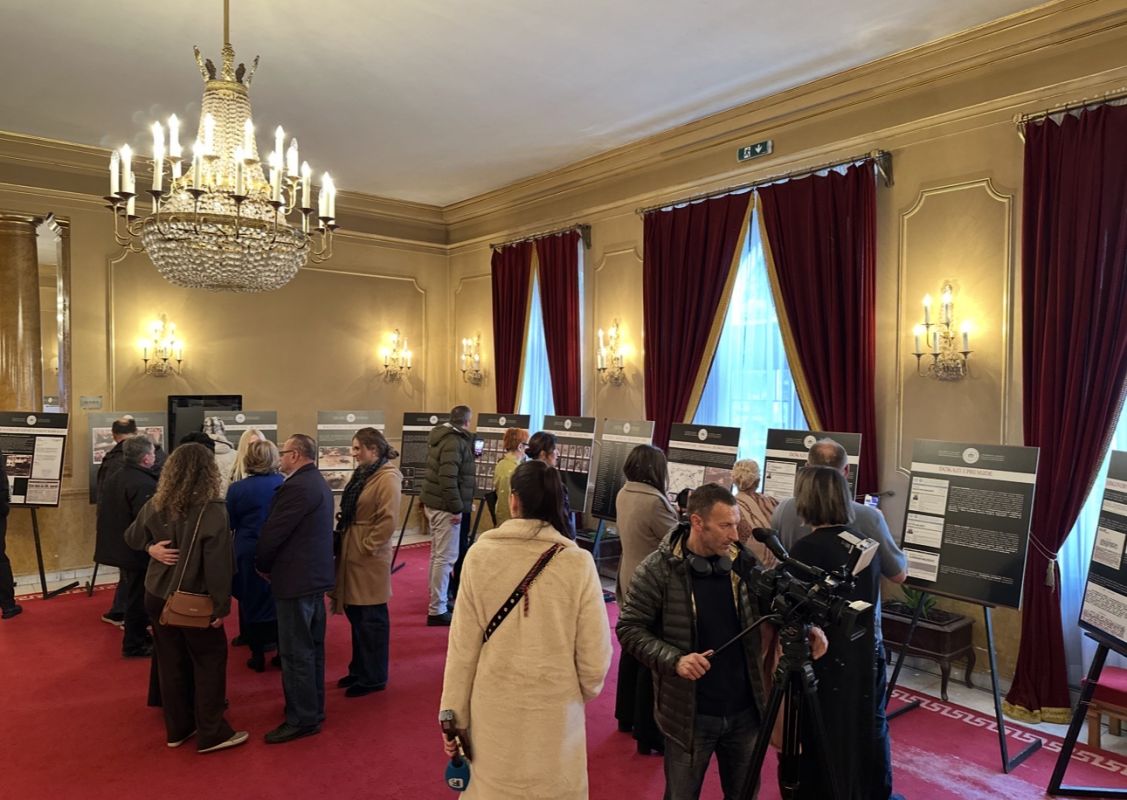
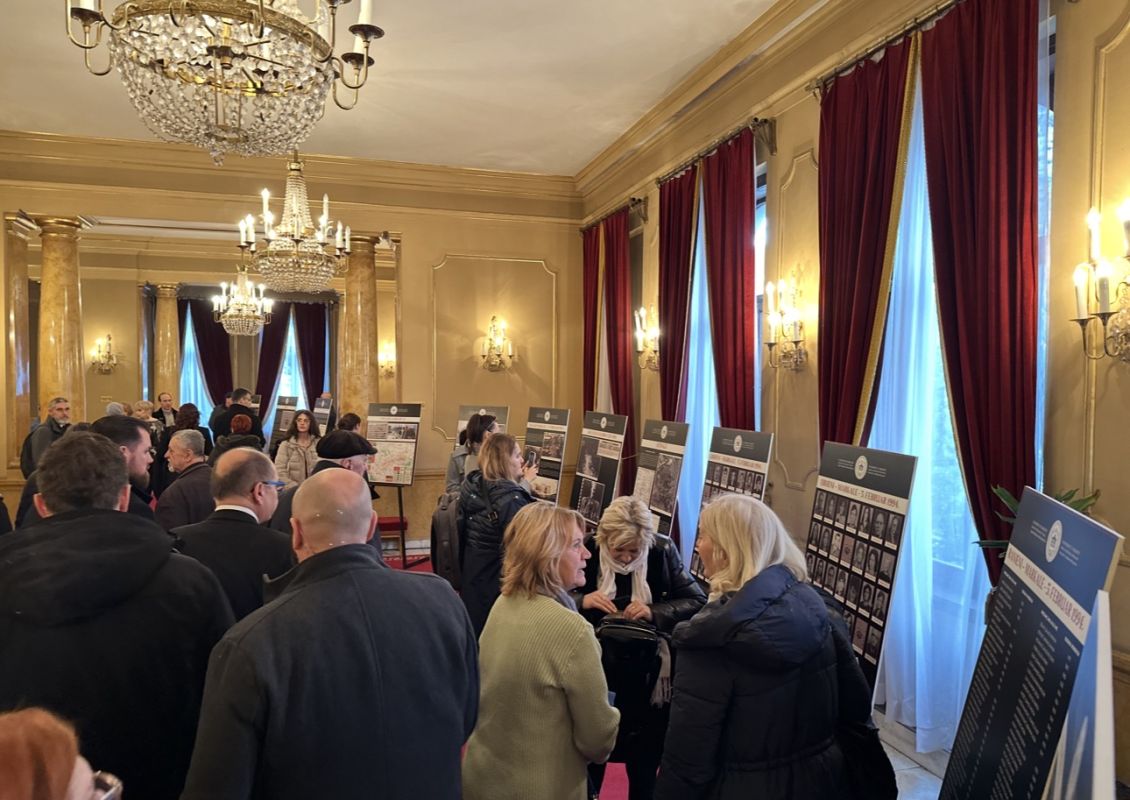
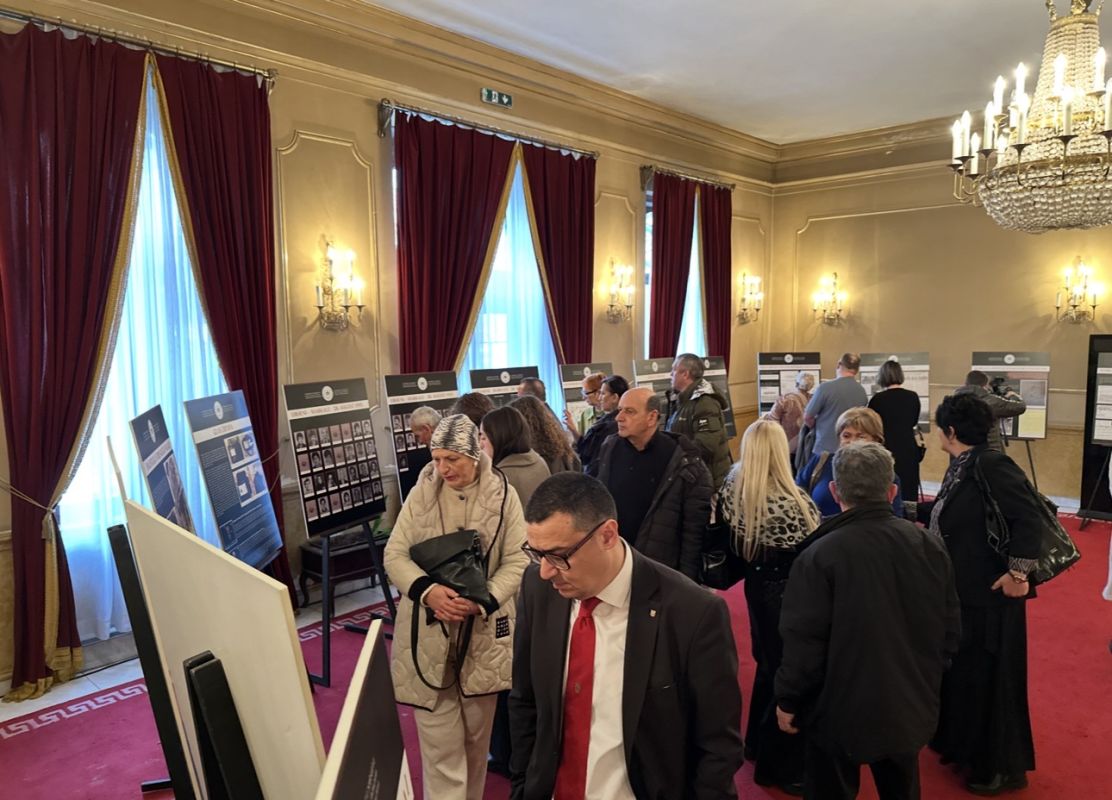
The exhibition of the Institute for Research of Crimes Against Humanity and International Law of the University of Sarajevo, titled “Crimes at Markale: Killing and Wounding of Civilians – Prosecution of Perpetrators, Denial of Truth, Resistance to Forgetting,” was opened today at the National Theatre Sarajevo.
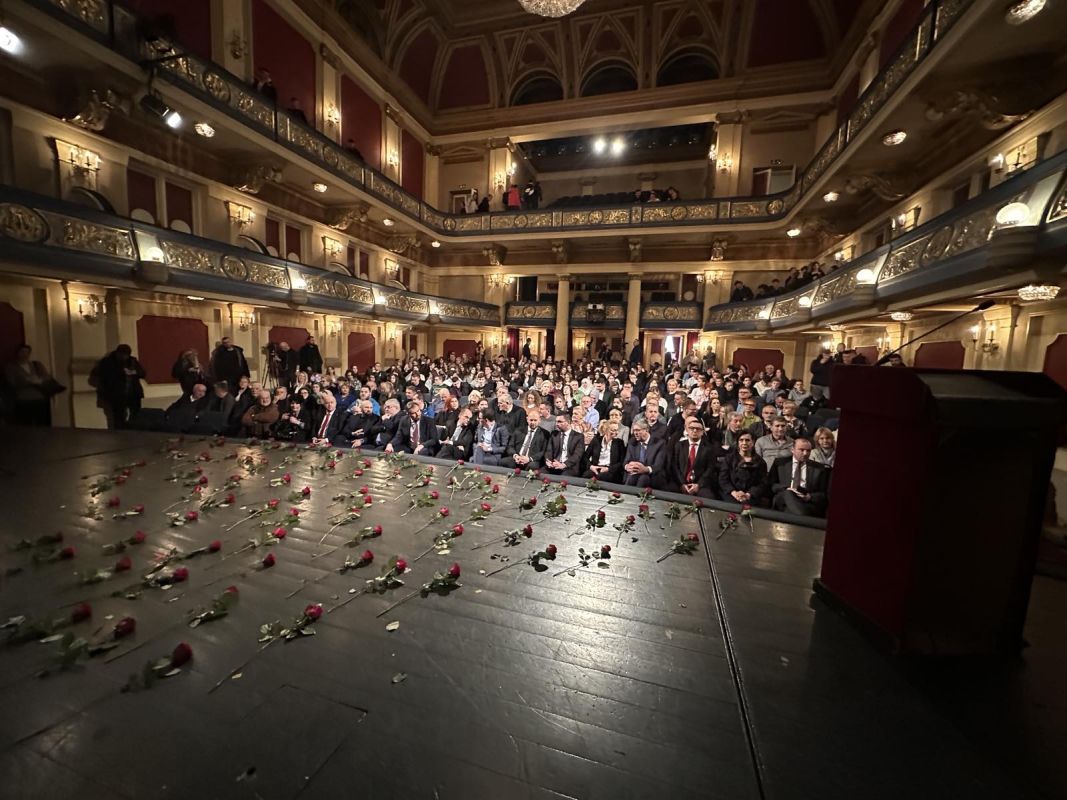
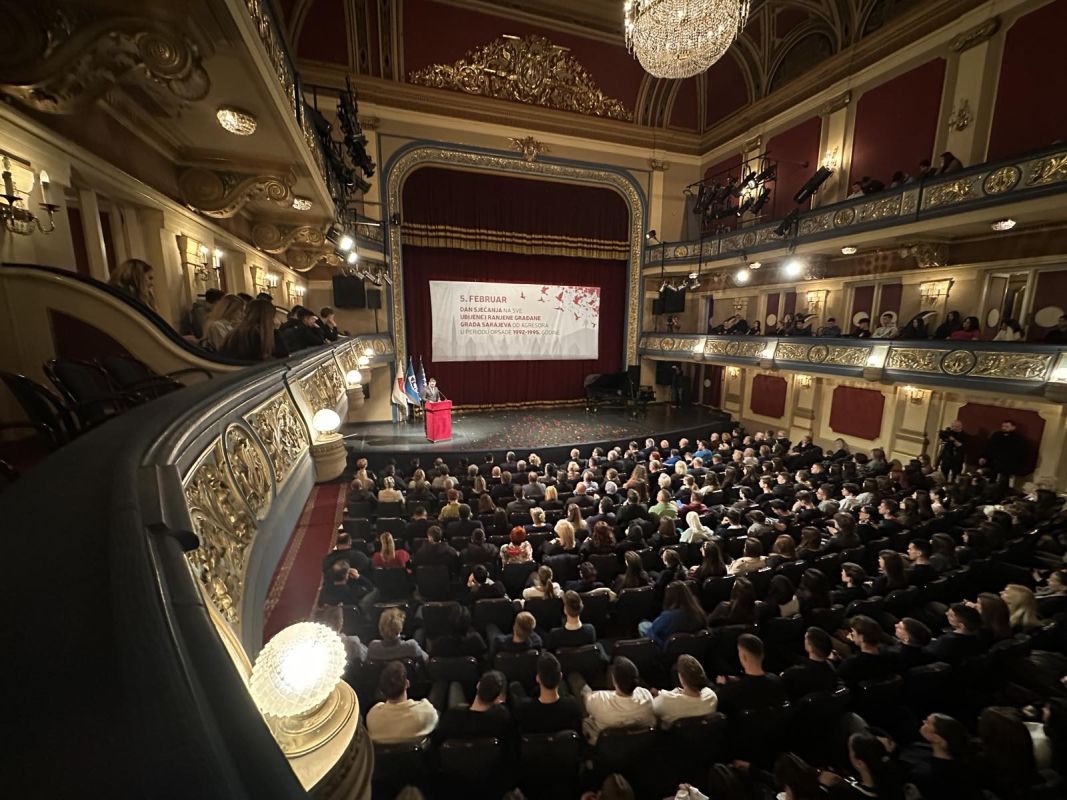
The opening of the exhibition was held as part of a joint commemorative session of the Sarajevo Canton Assembly, the Sarajevo City Council, and municipal councils from municipalities across Sarajevo Canton, marking 5 February—the Day of Remembrance for all citizens of Sarajevo killed and wounded during the aggression in the period of the siege from 1992 to 1995—and commemorating the 32nd anniversary of the massacre at the Markale marketplace.
The authors of the exhibition are Dr. Muamer Džananović, Director of the Institute; Dr. Merisa Karović-Babić, Senior Research Associate at the Institute; and Mr. Sead Muhić, Operational Associate of the Institute.
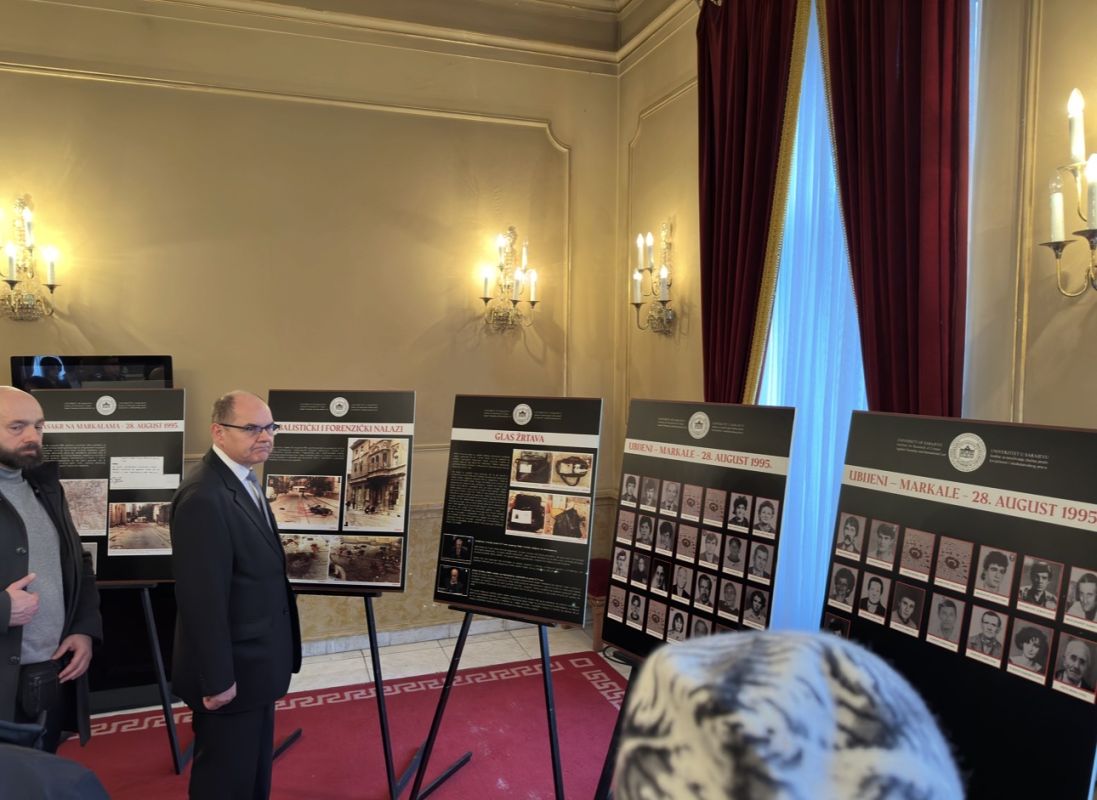
The exhibition provides a comprehensive overview of the siege of Sarajevo (1992–1996) and documents in detail the two massacres at Markale—on 5 February 1994, when 68 civilians were killed, and on 28 August 1995, when 43 civilians were killed. The exhibition includes expert reports, UNPROFOR documents, judgments of the International Criminal Tribunal for the former Yugoslavia (ICTY), media reports, photographs and video materials, as well as archival materials and the Institute’s publishing activity.
A particularly significant segment of the exhibition consists of photographs of all victims killed in both massacres and a list of the wounded, accompanied by an examination of responsibility for the crimes at Markale. The exhibition also highlights the devastating fact that, before the Court of Bosnia and Herzegovina, no one has to date been held accountable for these crimes, nor for numerous other crimes committed in Sarajevo during the siege. The NATO intervention “Deliberate Force,” carried out two days after the 1995 massacre, is also addressed, as well as the issue of institutional revisionism of these crimes, present from the time of their commission to the present day.
Following its presentation at the National Theatre Sarajevo, the exhibition will be open to visitors at the Bosnian Cultural Centre of Sarajevo Canton starting on 6 February.