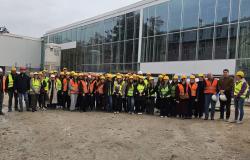
Fourteen Years of Cooperation Between the University of Sarajevo – Faculty of Veterinary Medicine and the Dogs Trust BiH Foundation: A Lasting Contribution to the Veterinary Profession, Education, and Animal Welfare (2012–2026)


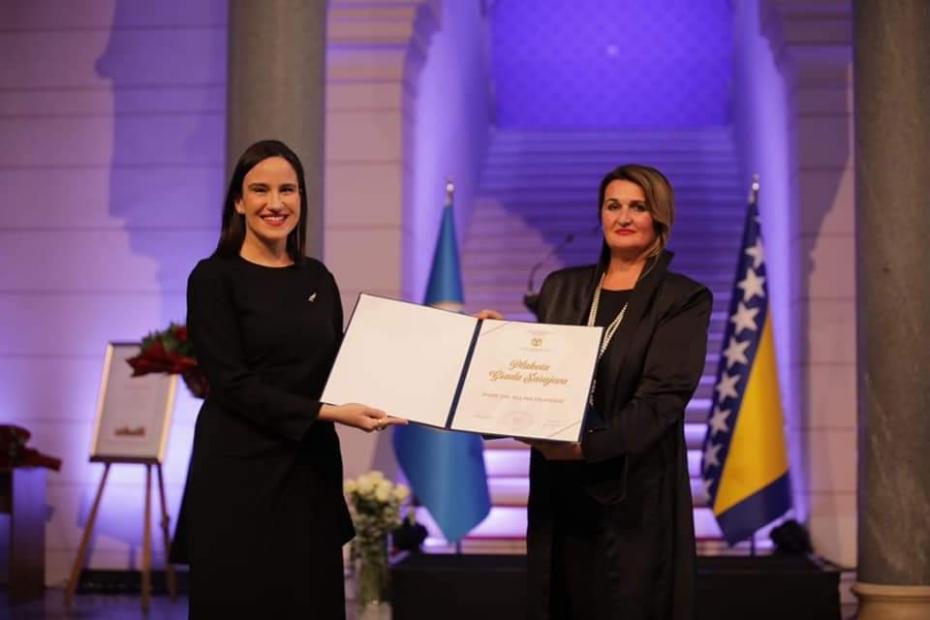
The fourteen-year cooperation between the University of Sarajevo – Faculty of Veterinary Medicine and the Dogs Trust BiH Foundation, carried out between 2012 and 2026, is a significant example of linking academic knowledge, professional development, and social responsibility. Through a joint project for advancing surgical and anesthetic skills in ovariohysterectomy (OHE) and orchiectomy (ORH) procedures in dogs, the capacity of the veterinary profession for humane and sustainable management of the abandoned dog population was improved, with a significant contribution to public health and to the education of future veterinarians.
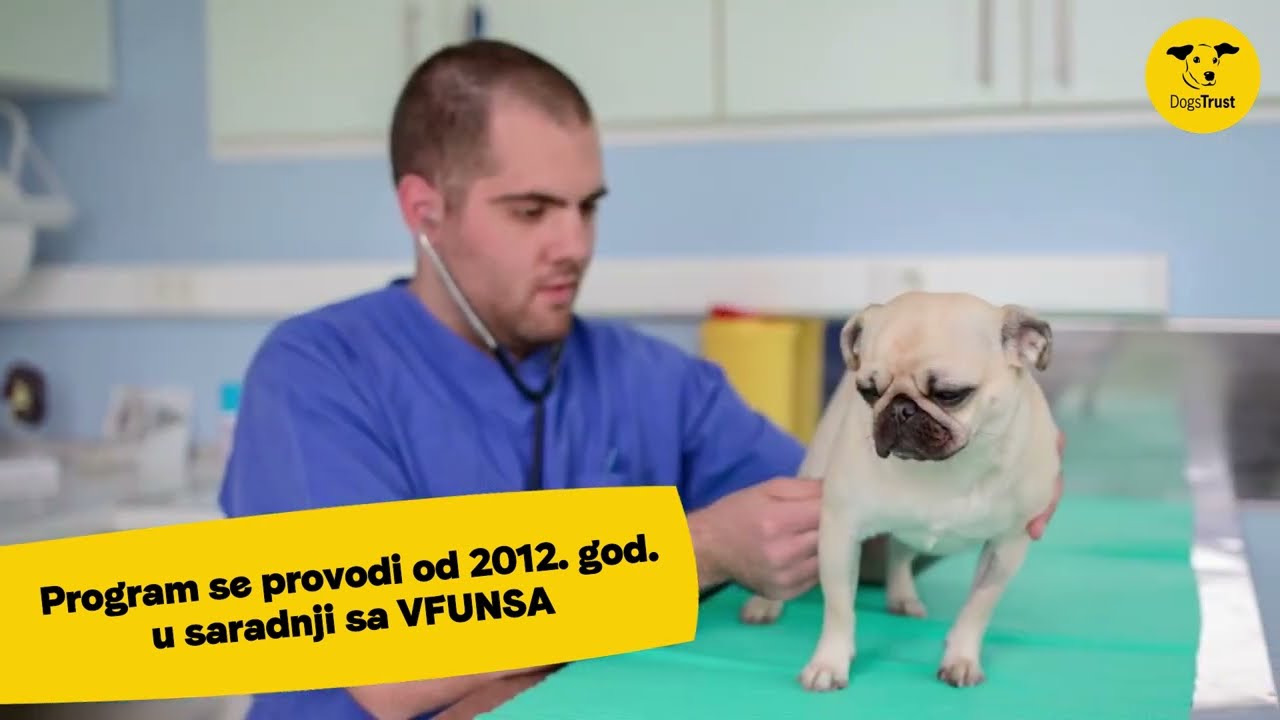
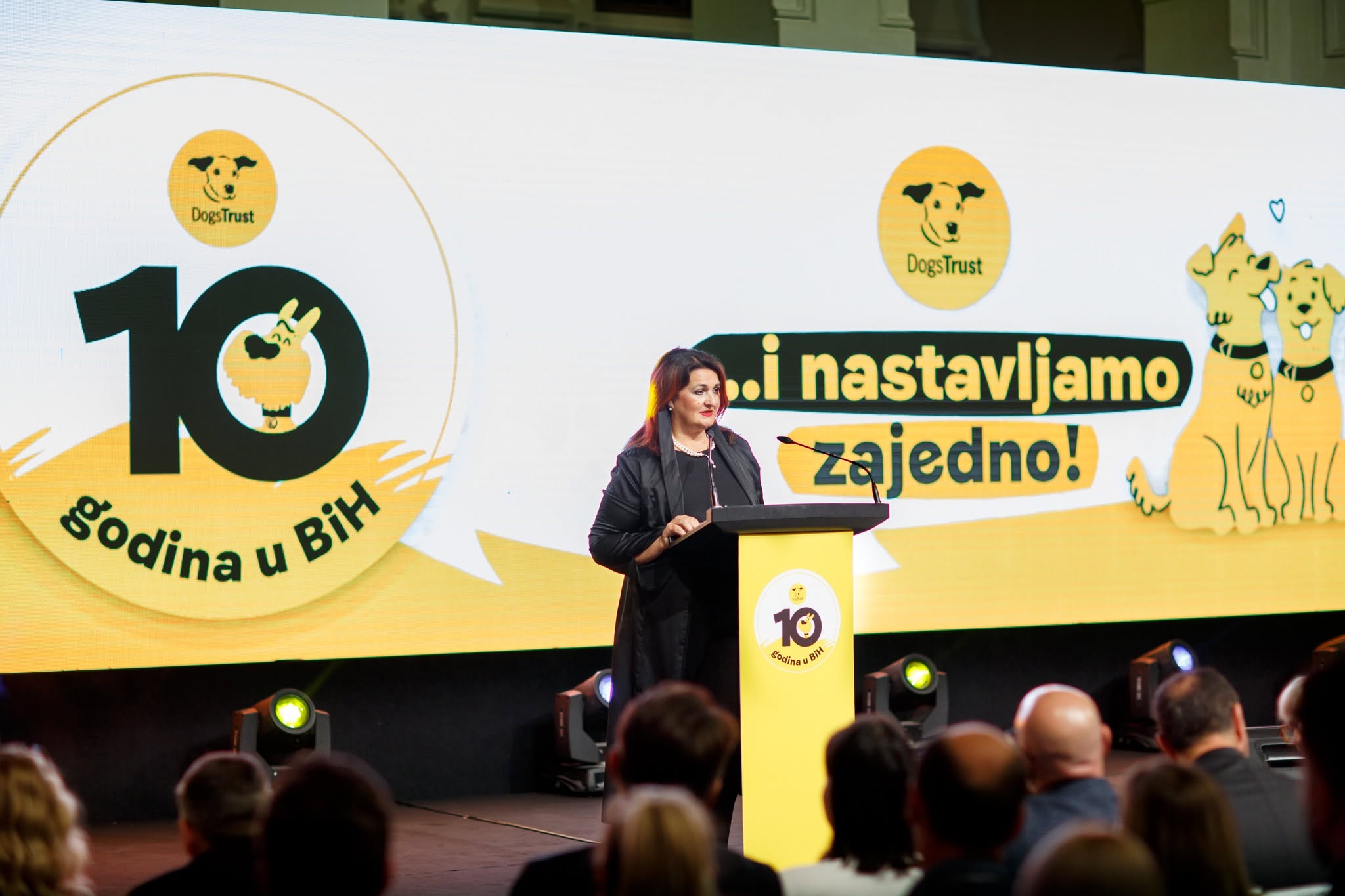 Under the leadership of Prof. Dr. Selma Filipović and Prof. Dr. Alan Maksimović 491 veterinary professionals from Bosnia and Herzegovina and the wider region completed the program. Intensive practical work under the mentorship of domestic and international experts made it possible to improve surgical techniques, anesthesia and analgesia, clinical monitoring, and postoperative care, while involving veterinary technicians in the appropriate segments of the training. A significant contribution is also the number of dogs surgically sterilized (3,287) during the project.
The program's special place in professional development is confirmed by the fact that it was the only professional training simultaneously recognized by both veterinary chambers in Bosnia and Herzegovina, the Veterinary Chamber of the Federation of Bosnia and Herzegovina and the Veterinary Chamber of Republika Srpska. The program was also included in the University of Sarajevo's Lifelong Learning Program, which further confirmed its significance for the continuous professional development of veterinary experts.
The value of the project lies in the standardization of procedures that ensure a high level of patient safety and consistent respect for contemporary animal welfare principles. This approach encompassed humane capture and transport of dogs, appropriate housing, clinical examination and patient preparation, performing the procedure with appropriate anesthesia, pain control and monitoring of vital functions, and supervised postoperative recovery. Important parts of the process were also the safe return of recovered dogs to the location where they were captured and monitoring of their condition after return, in cooperation with the local community. Animal welfare thus represented a basic principle at all stages of handling each individual dog.
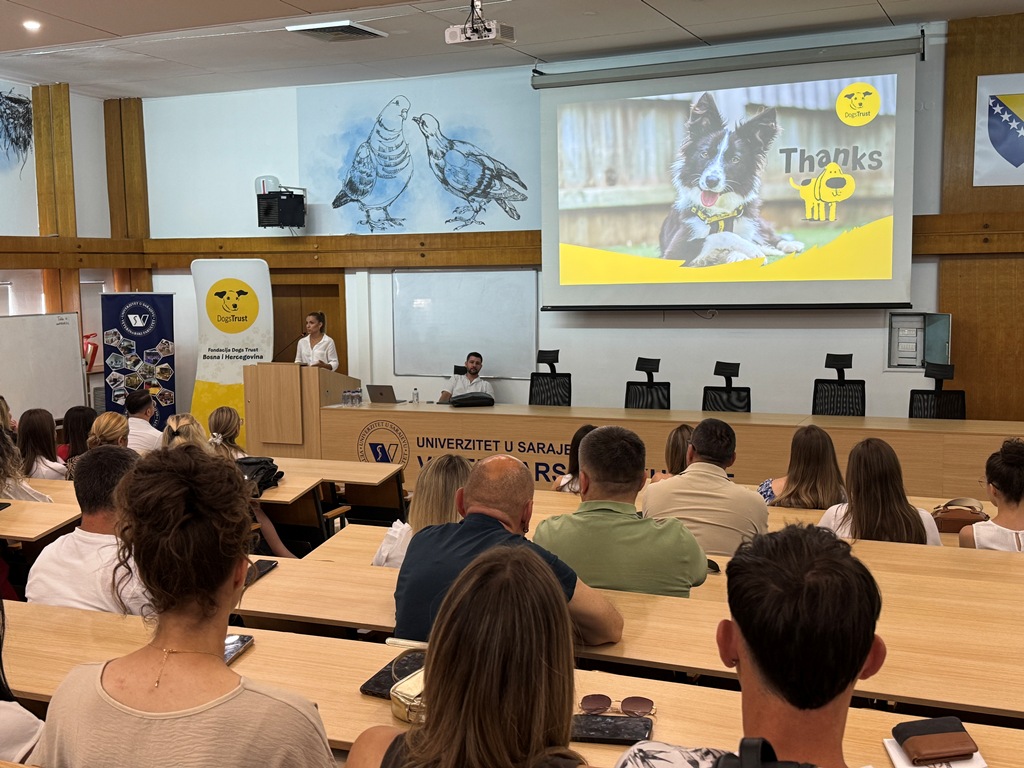
The project's contribution to the development of the veterinary profession in Bosnia and Herzegovina goes beyond training for individual operative procedures. The acquired knowledge of aseptic work, tissue handling, hemostasis, anesthesia, analgesia, and patient care is also applicable in other areas of clinical practice. By transferring it into the daily work of veterinary clinics, the application of contemporary professional standards was broadened, a team approach was developed, and the quality of veterinary services was improved.
The educational contribution was linked to significant financial support from the Dogs Trust Foundation for dog sterilization programs in numerous veterinary clinics throughout the country. By financing contracted procedures and accompanying interventions, the Foundation supported the work of domestic veterinary organizations, while the training previously completed at the Faculty was one of the conditions for their inclusion in the programs. In this way, a direct link was established between professional development, the application of acquired skills, and financed veterinary services in local communities. This model provided support to the operations of the participating clinics and to the continuous development of their teams' practical experience.
By training veterinary teams, an important professional basis was created for implementing humane dog population control programs throughout Bosnia and Herzegovina. Surgical sterilization, linked with responsible ownership, identification, registration, and public education, contributes to preventing uncontrolled reproduction and gradually reducing the number of abandoned dogs. This eases animal suffering, reduces risks for citizens, and improves safety and quality of life in the community.
The program also had significant public health value. Rabies vaccination and anti-parasitic treatments for the dogs covered by the program contributed to the prevention of zoonoses and the protection of human and animal health. Microchipping and record-keeping enabled reliable identification of dogs, traceability of the procedures performed, and higher-quality veterinary oversight.
An important systemic contribution of the project was also the impetus given to establishing a single dog registry at the level of Bosnia and Herzegovina. Through the work and advocacy influence of the Dogs Trust Foundation, the launch of the procedure for establishing the registry, which had not existed until then, was initiated. This initiative represented an important step toward linking dog identification, records of health measures, and oversight of responsible ownership, as preconditions for sustainable dog population management.
The continuous participation of senior-year students in practical training had exceptional educational value. By working with patients under direct professional supervision, students connected theoretical knowledge with clinical practice and developed first-day competencies needed to begin professional work. They gained experience in clinical assessment and patient preparation, aseptic work, soft tissue surgery, anesthesia and analgesia, monitoring of vital functions, and other perianesthetic and perioperative procedures. At the same time, they developed an understanding of animal welfare, professional responsibility, and teamwork.
An international dimension was given to the project by the engagement and visits of numerous colleagues from the United Kingdom, including Scotland, as well as Ireland and Malta. Valuable collegial ties were established with experts from the Royal College of Veterinary Surgeons (RCVS) and the Royal Veterinary College in London, as well as with universities in Edinburgh and Glasgow. Joint work enabled the exchange of knowledge and experience and further strengthened the Faculty's international connections.
The significance of the cooperation is also documented in publications of the University of Edinburgh. A 2014 newsletter of its animal welfare education center describes joint workshops at the Faculty of Veterinary Medicine in Sarajevo, with emphasis on anesthesia, analgesia, patient preparation, pain recognition, and humane handling. A 2017 report records the joint engagement of experts from Edinburgh and Glasgow and states that the standard anesthesia and recovery protocols introduced earlier were still being successfully applied. These publications testify to the continuity of international cooperation and the durability of the adopted professional standards.
Alongside the project leaders, the team in the final phase of implementation consisted of Asst. Prof. Dr. Amila Šunje; Senior Assistant Aida Glavinić; Muamer Obhođaš, DVM, Academic Specialist in Veterinary Medicine; and veterinary technician Dinko Falatar.
A significant contribution over the previous years was made by Asst. Prof. Dr. Nermina Spahija, Ismar Lutvikadić, DVM, Academic Specialist in Veterinary Medicine, ACVAA/ECVAA resident; Amina Jusić, DVM, Academic Specialist in Veterinary Medicine; Bianca Pehar, DVM, Academic Specialist in Veterinary Medicine; veterinary technicians Nihad Ivazović, Sead Bašić, and Amer Ribić; and support staff member Adisa Mahmutović. Their knowledge, dedication, and teamwork are built into the development and results of the program.
The University of Sarajevo – Faculty of Veterinary Medicine thanks the Dogs Trust BiH Foundation, all members of the project team, domestic and international mentors, participants, and students for their contribution to the realization of this long-standing partnership.
As the longest-running professional project in the history of veterinary medicine in Bosnia and Herzegovina, this fourteen-year cooperation represents a lasting contribution to the education of veterinary experts and students, the development of the veterinary profession, and the protection of public health. By linking professional development, standardization of clinical procedures, and support for local veterinary teams, the project strengthened capacities for humane and sustainable reduction of the stray dog population, with consistent respect for animal welfare and the needs of the community.
The lasting value of this cooperation is reflected in trained veterinary experts, the practical education of generations of students, improved animal welfare standards, and support for domestic veterinary practice. The University of Sarajevo – Faculty of Veterinary Medicine thanks the Dogs Trust BiH Foundation, all members of the project team, domestic and international mentors, participants, and students for their contribution to a project that linked the development of the veterinary profession with the protection of human and animal health and the needs of the community.