Workshop “Denial of Genocide: History, Tactics, and Responses" Held at the University of Sarajevo


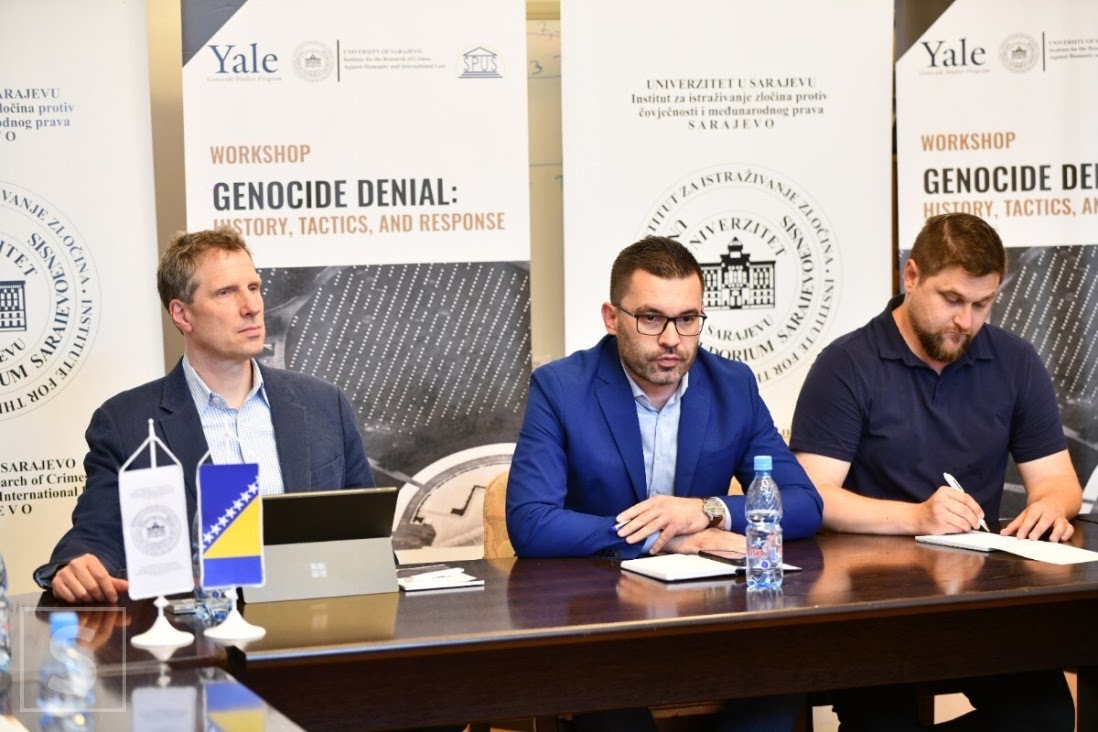
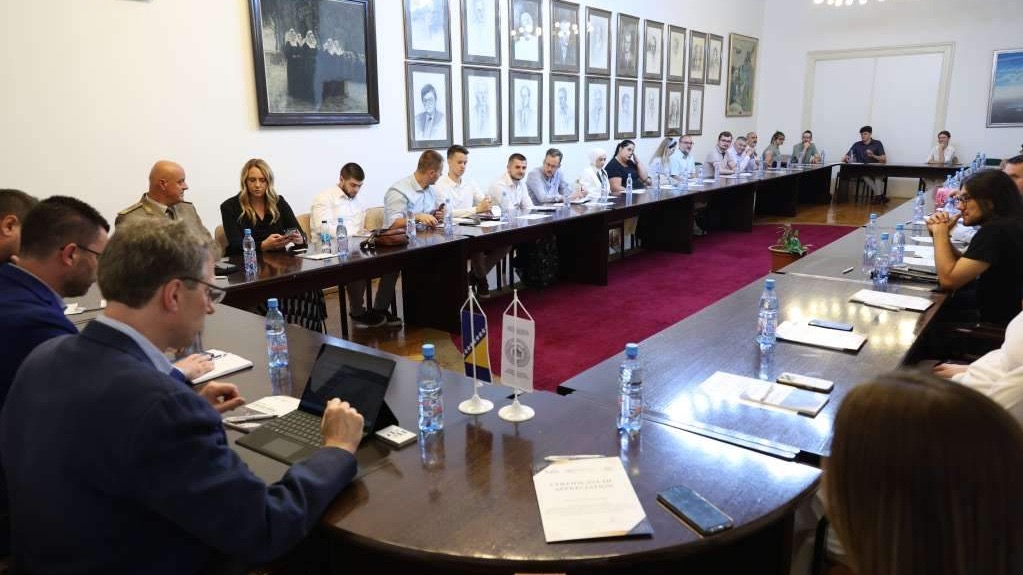
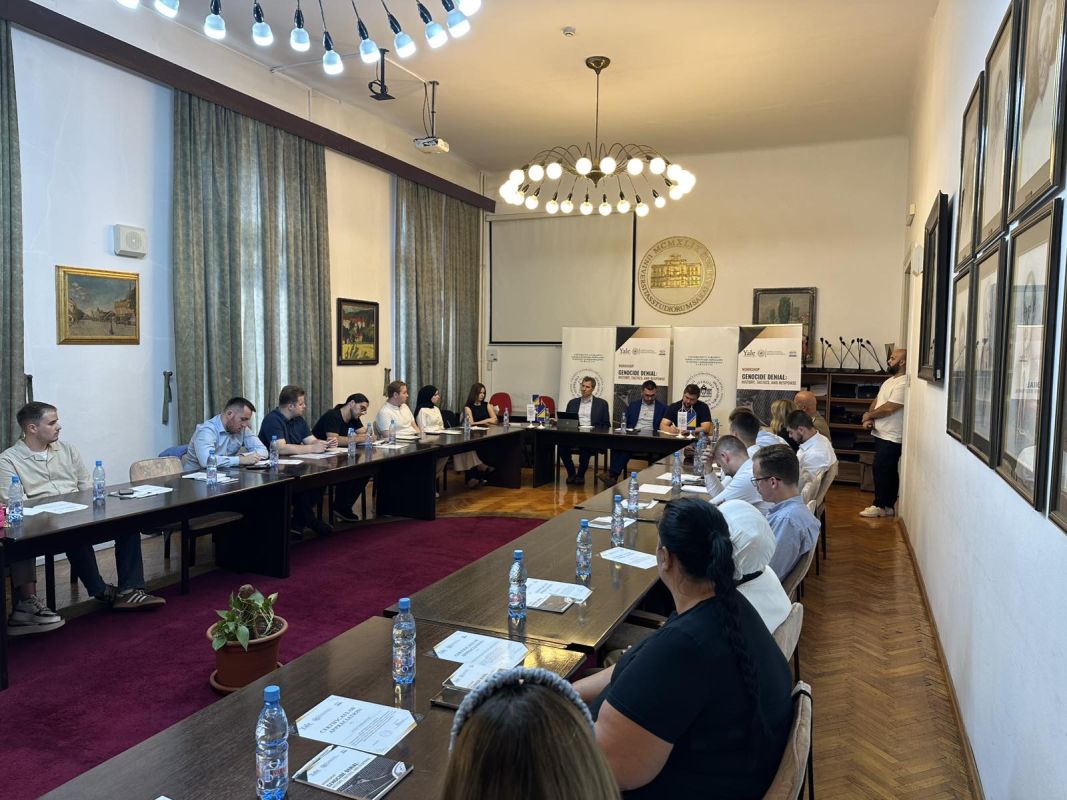
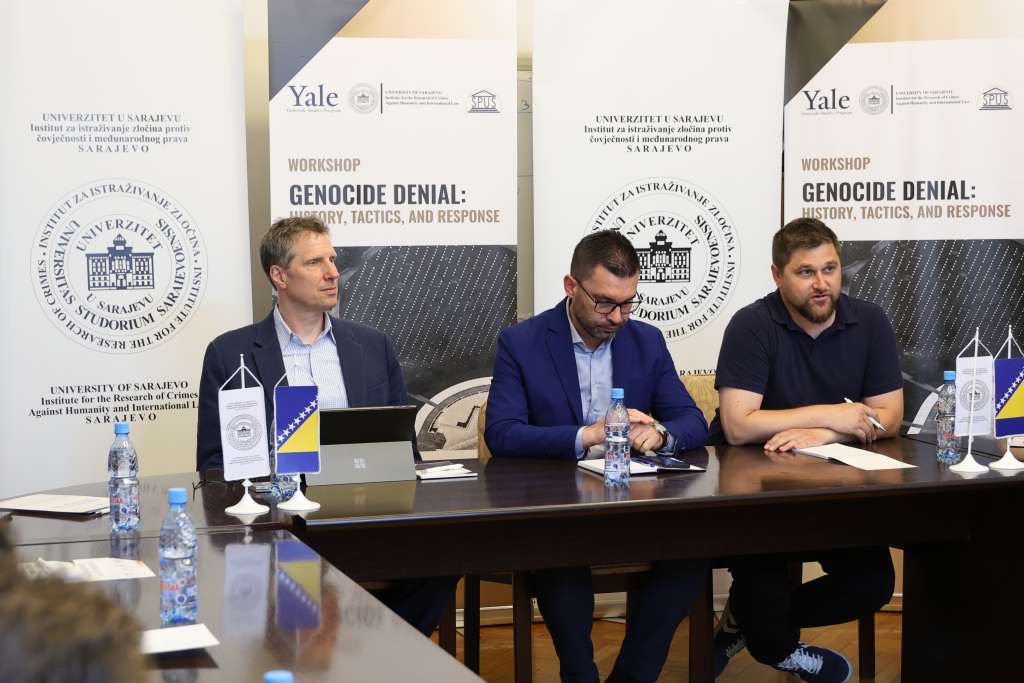
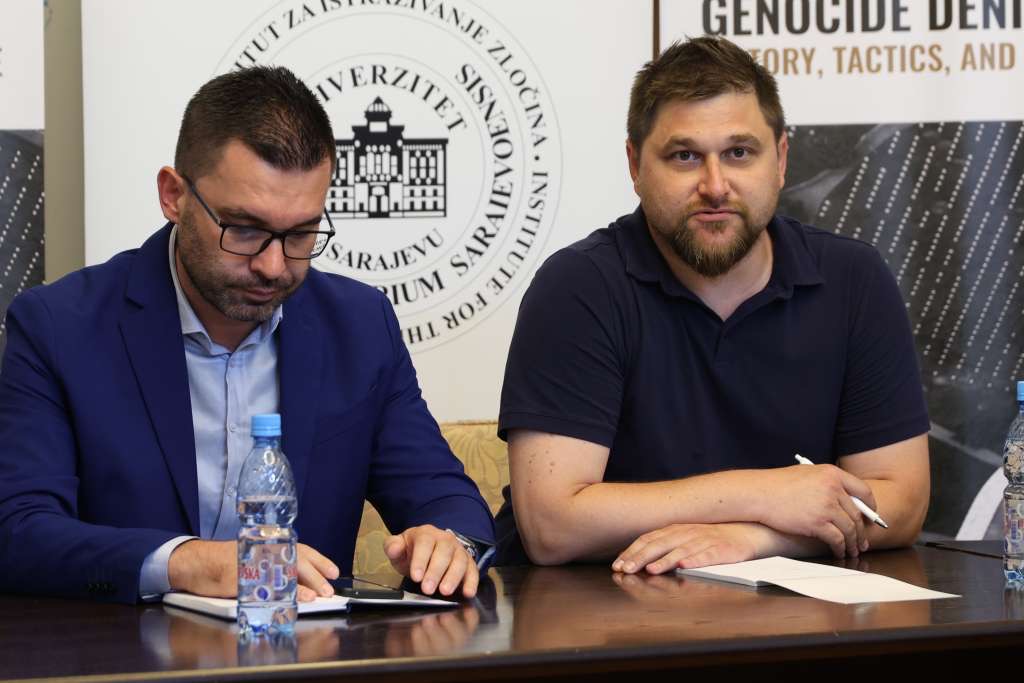
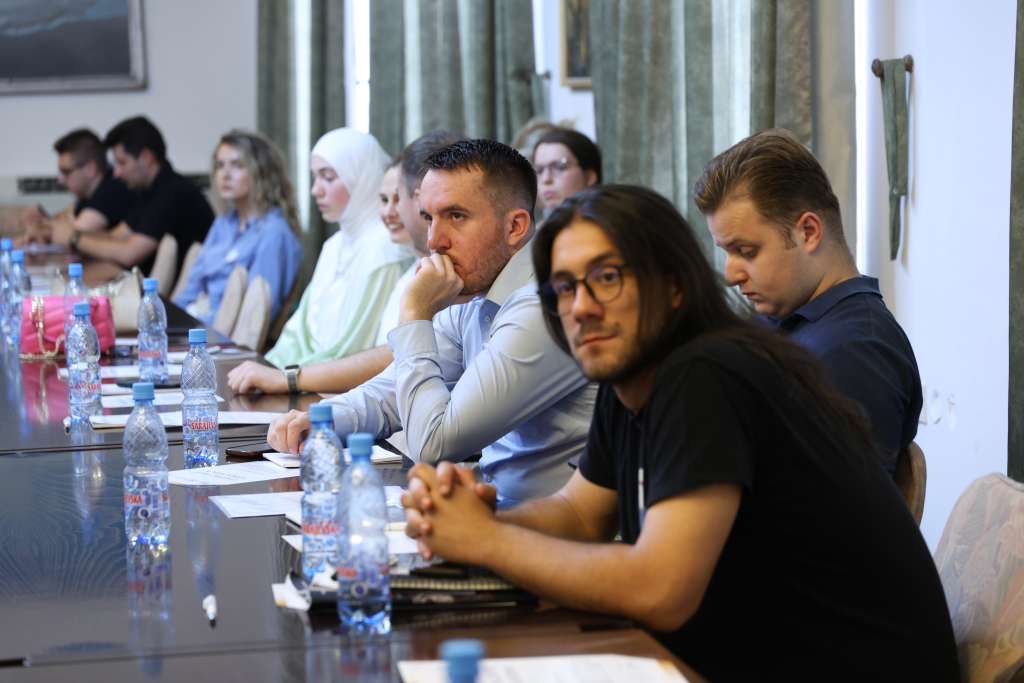
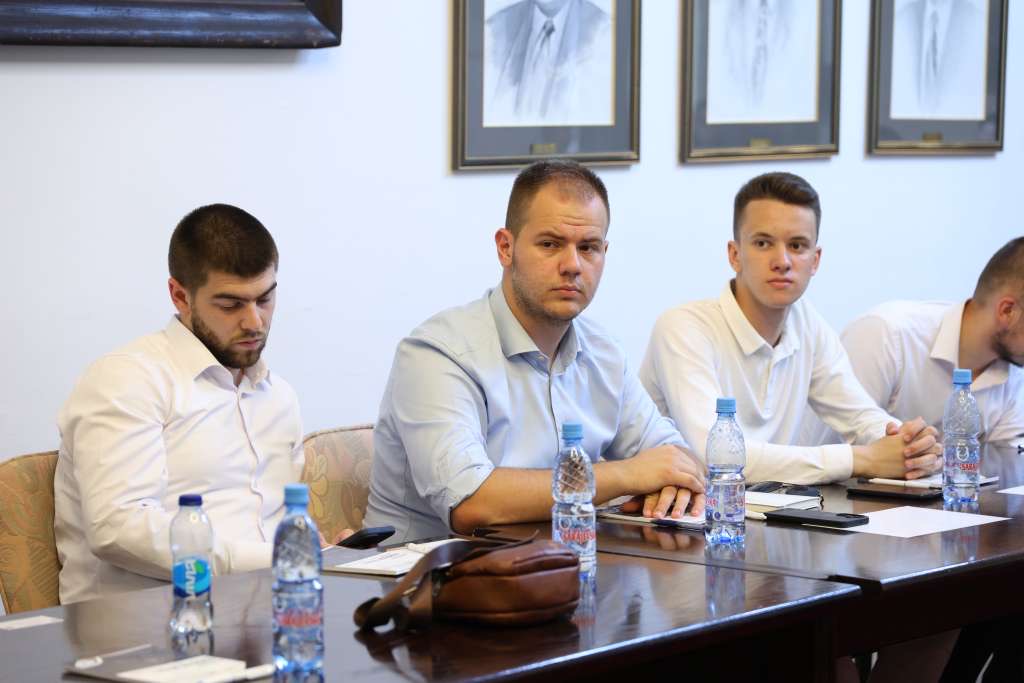
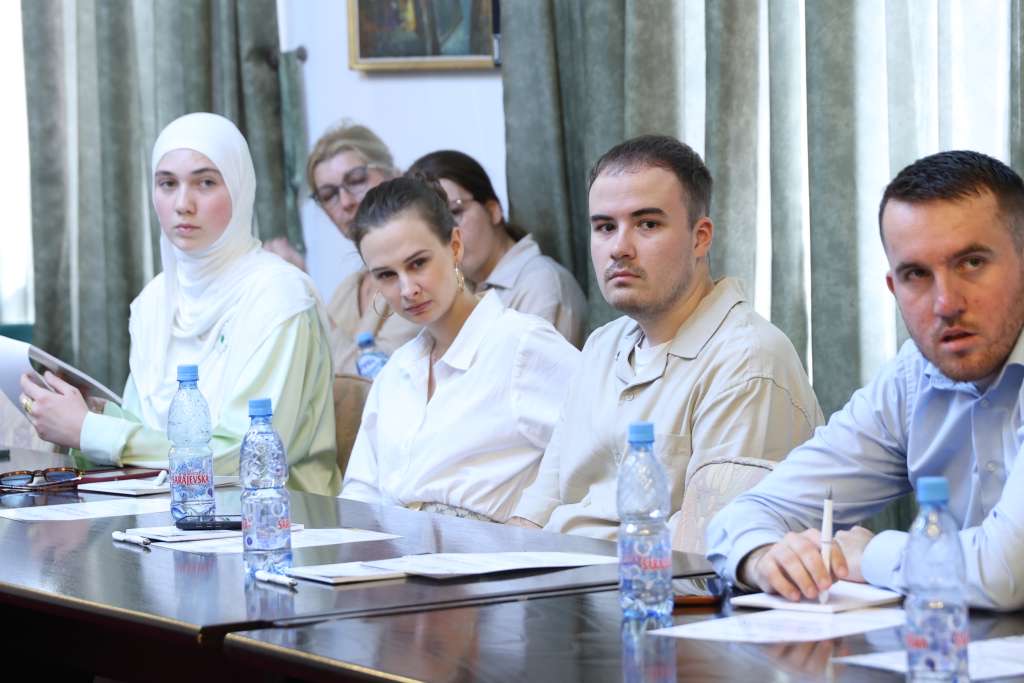
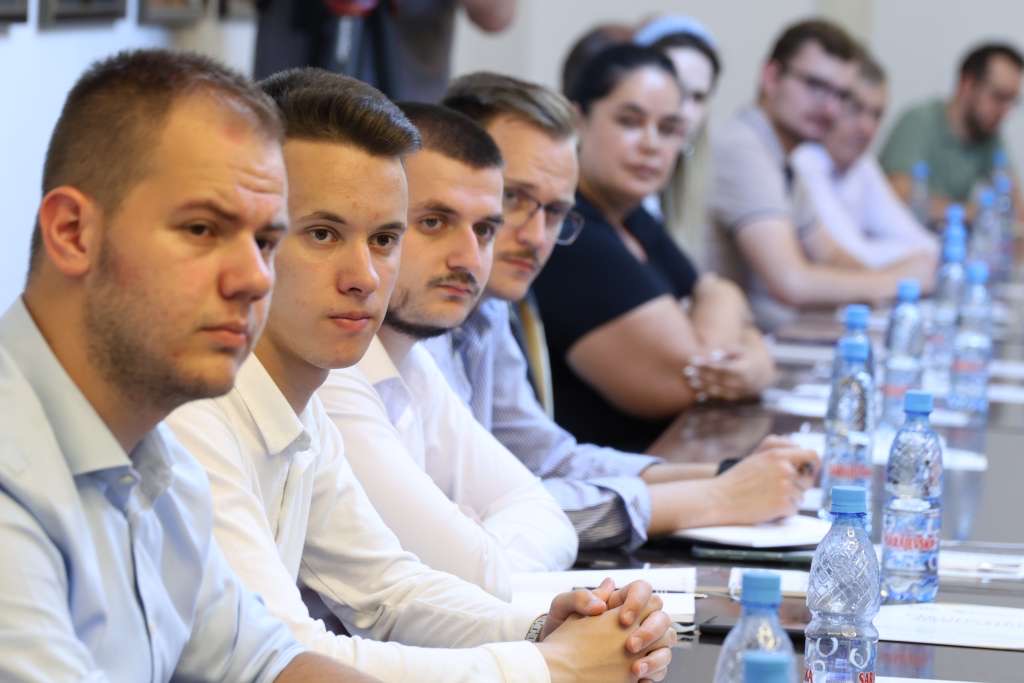
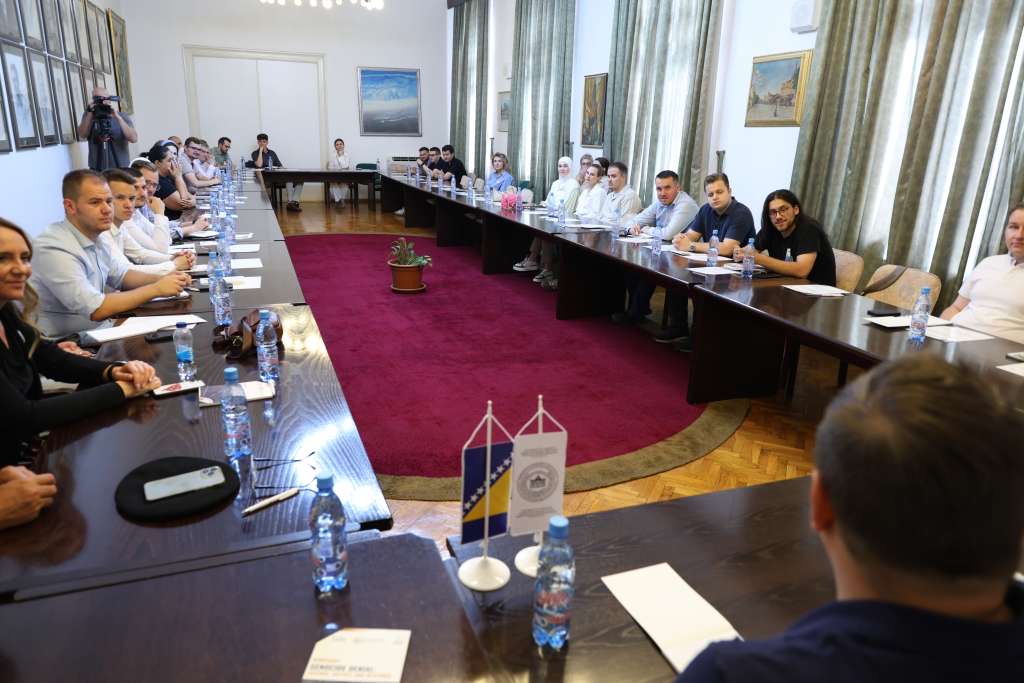
A workshop was held at the University of Sarajevo’s Rectorate as a result of international cooperation between the Institute for the Investigation of Crimes Against Humanity and International Law at the University of Sarajevo, the Student Parliament of UNSA, and the Yale University Genocide Studies Program.
The workshop was opened by Dr. Muamer Džananović, Director of the Institute for the Investigation of Crimes Against Humanity and International Law.
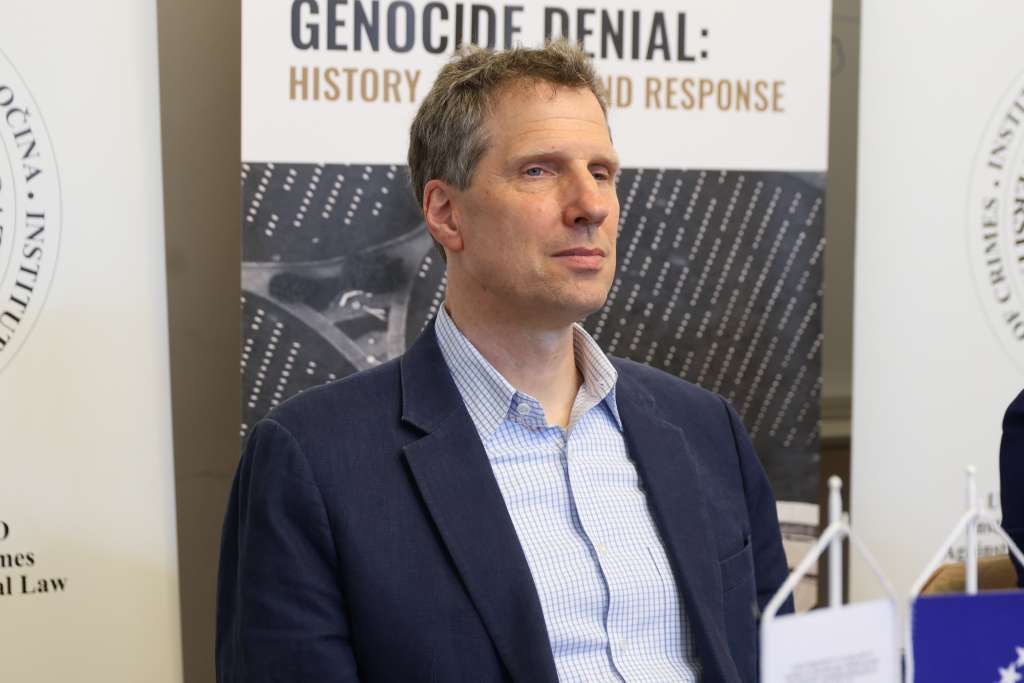
Introductory presentations for students of the University of Sarajevo were delivered by Dr. David Simon, director of the Yale University Genocide Studies Program, and Dr. Hikmet Karčić, a research associate at the Institute.
The focus was on a historical overview, contemporary strategies of genocide denial in Bosnia and Herzegovina, and the responses of the academic community to this increasingly prevalent challenge.
We place a special focus on transferring knowledge to students and aim to bring them closer to these topics through active engagement, in collaboration with the most prestigious universities worldwide. This cooperation confirms the international standing of the Institute as the most significant scientific institution in Bosnia and Herzegovina in the field of genocide studies,” stated the organizers from the institute.
Muamer Džananović, director of the institute, said that in cooperation with the University of Sarajevo and the world's most prestigious universities — which they are proud of — the topics related to the 1990s are especially important for Bosnian society and the state, as they shape the present and future.
Within the Institute, we will focus more on educating students; we are trying to interest them in these topics,” he said.
Regarding denial that genocide occurred in Srebrenica in July 1995, Džananović reminds that in the complex political environment of Bosnia and Herzegovina, where institutions are not doing enough to prosecute deniers legally, it would be ideal if the entire country had educational programs to learn what the highest courts in the world have established as truth — that genocide was committed in Bosnia and Herzegovina.
However, the reality is different, and as an academic community, we are trying to do everything we can. Today’s workshop and other activities are efforts to pass on knowledge about the 1990s to young people,” he said.
Husana Delalović, president of the Student Parliament of Sarajevo, said that the very interest of her peers to attend this workshop speaks to their interest in the topics and in fostering a culture of remembrance for the genocide committed in Srebrenica.
When asked whether universities teach enough about this and how the academic community brings the events of the 1990s closer to the younger generation, Delalović replied that the situation is not satisfactory but that positive signs suggest that more attention will be paid to studying the genocide in Srebrenica at the Law Faculty.
There is desire and intention to have a course dedicated specifically to studying this genocide, which is very important,” Delalović said. According to her, her generation perceives the early 1990s Bosnian reality in a difficult and emotional way but strives to view the facts objectively and with dignity, emphasizing and teaching those who know little or nothing about it.
The best response from the academic community, and even its youngest members, to the expressed denial of genocide — despite the fact that Bosnia and Herzegovina has laws prohibiting such denial — is intensive and expert research on the crime and louder warnings about the consequences.
Hikmet Karčić, a research associate at the Institute, emphasizes that in related research, the same pattern of denial of crimes committed during the Bosnian War has been observed at the Markale marketplace in Sarajevo, Kapija in Tuzla, the Prijedor region, and Srebrenica. This denial manifests immediately after the crimes are committed, with the same "arguments" still being used today.
It shows that the criminal propaganda machinery, which existed more than 30 years ago, still uses the same arguments to deny: "Markale was staged," "not so many people died at Kapija," "there were no white ribbons," "the bones of victims buried in Potočari are not human but animal," etc., etc.,” said Karčić.
The best way to fight denial, he believes, is persistent 'scientific refutation' of such statements and complete media ignoring of deniers.
The workshop held today at the Rectorate of the University of Sarajevo is one of many events marking the 30th anniversary of the genocide in Srebrenica, the largest crime in the heart of Europe after World War II.