The Non-functionality of Certain BiH Institutions as a Result of the Dayton Framework | 30 Years After Dayton: Myths, Realities, and New Visions for Bosnia and Herzegovina’s Future



The Culture of Genocidal Triumphalism as the Cause of Unfulfilled Promises of Annex 7
NON-FUNCTIONALITY OF SOME BIH INSTITUTIONS AS A RESULT OF THE DAYTON FRAMEWORK
Constitutional changes should serve as instruments to unlock economic development, rationalize public administration, and increase institutional efficiency
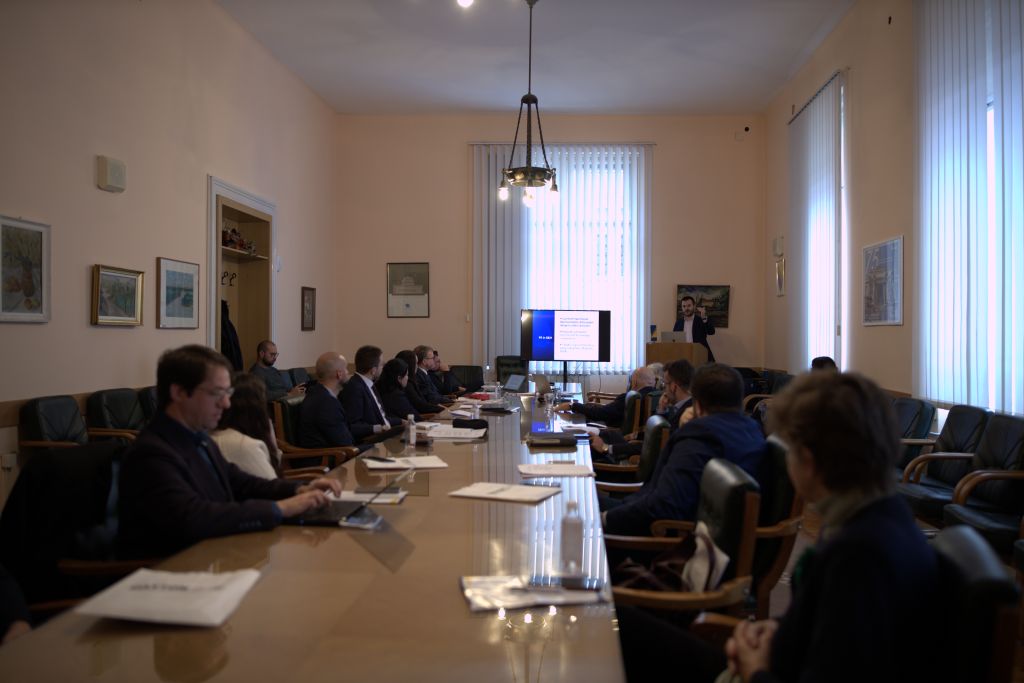
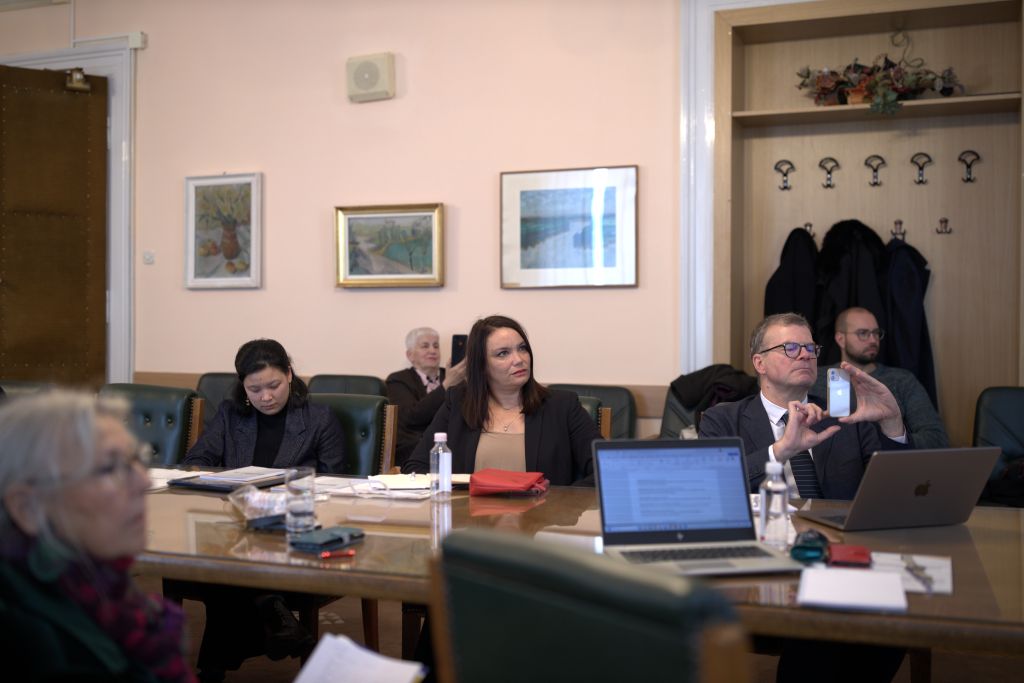
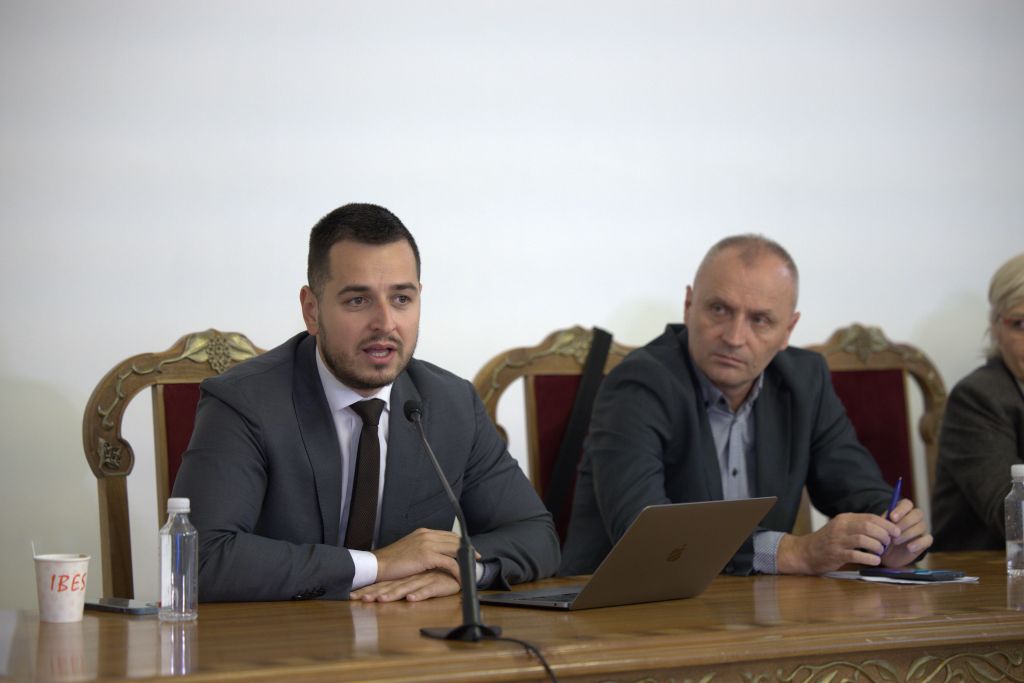
Within the framework of the conference “30 Years After Dayton: Myths, Realities, and New Visions for Bosnia and Herzegovina,” the panel “Epilogue of a Thirty-Year Return: Moving Toward Political Irrelevance” focused on one of the most frequently mentioned elements of the Dayton Peace Agreement – Annex 7 and its current reality. Speaking about the unfulfilled promises of Annex 7, Dr. Hariz Halilović presented clear evidence that these are weak results of sustainable return in areas affected by genocide and the largest persecutions. He emphasized that a particular problem is the culture of genocidal triumphalism, reflected in murals, monuments, and other forms of celebrating crimes and criminals at sites of mass suffering.
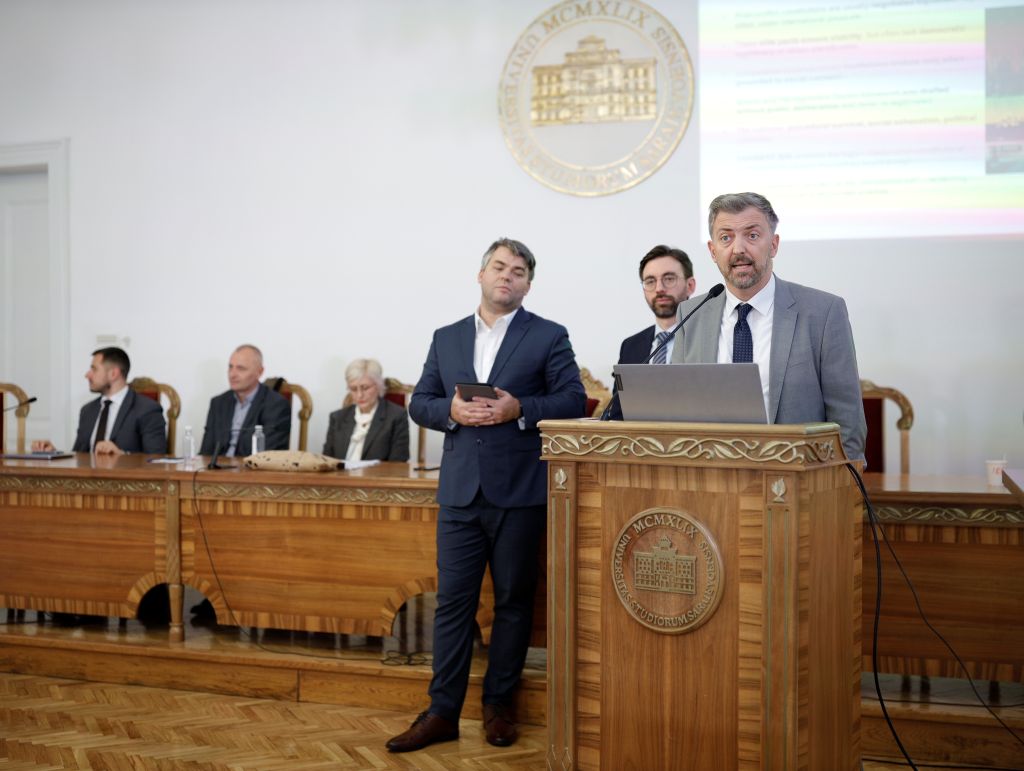
“Discrimination against Bosniaks in Republika Srpska based on national affiliation is visible in every segment of social life and is carried out systematically and structurally. An inseparable part of such policies is the continuous denial of genocide against Bosniaks, which has been ongoing since the time of the crime itself until today. Such practices simultaneously demonstrate systemic disrespect for victims and their families, ignorance of international court rulings and standards, and the ongoing violation of basic human rights. Stopping these processes and preserving the multi-ethnic character of this part of Bosnia and Herzegovina is only possible through deep democratization of society, establishing a functional rule of law, reforming institutions, and ensuring full institutional and social equality. The entity authorities will not do this,” concluded Dr. Muamer Džananović.
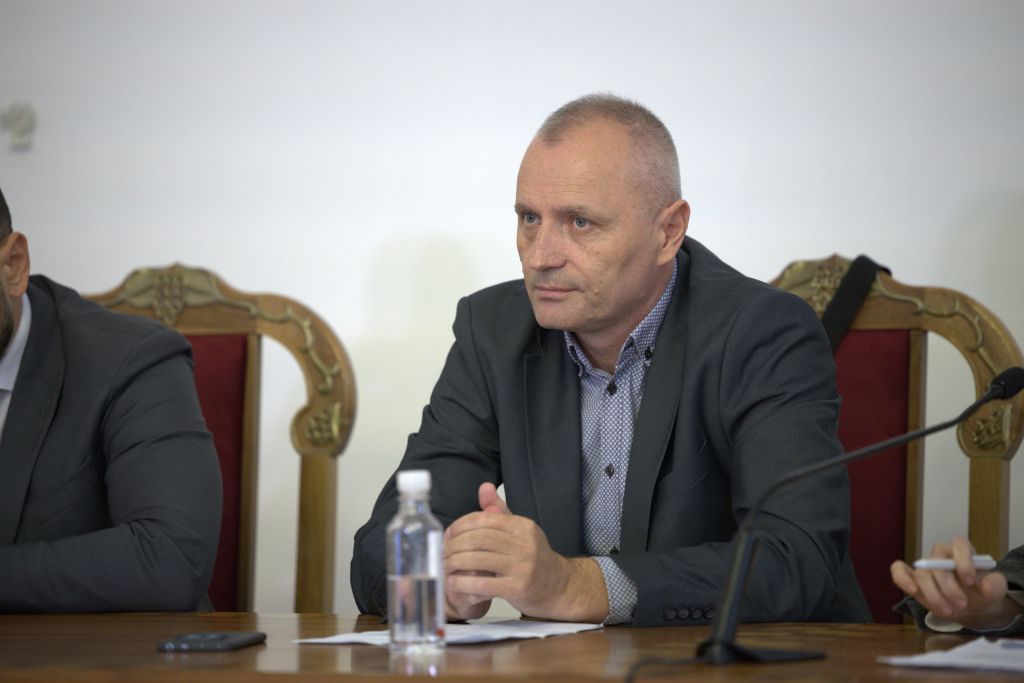
The panel “BiH between the Constitution and Functionality: 30 Years of Institutional Transformation” focused on discussions about institutional development, efficiency, and functionality within the Dayton framework, as well as Dayton as an agreement requiring the fulfillment of all obligations by all parties involved. “The evident problem is the lack of legitimacy of BiH institutions because they are based on Dayton solutions and, as such, are unacceptable to some parties. The loss of legitimacy is related to their own functionality,” emphasized Dr. Samir Forić, who moderated this session.
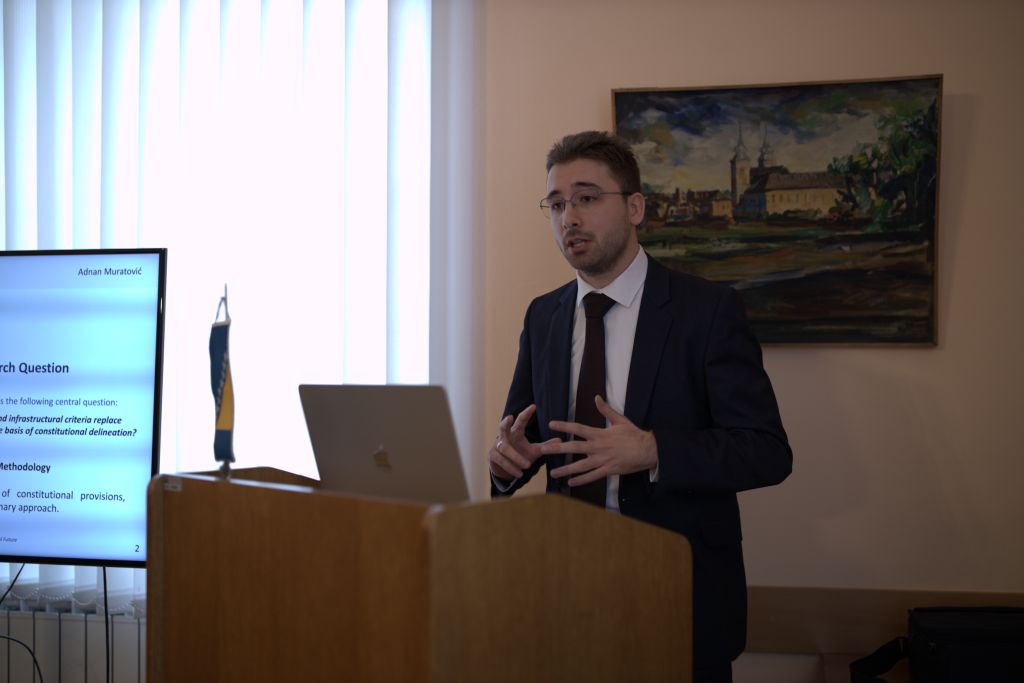
Young researchers on the panel “Challenges and Perspectives of the Constitutional Future of Bosnia and Herzegovina from the Perspective of Young Researchers” highlighted a broad and diverse range of key topics, offering innovative approaches and proposals for improving the constitutional framework. Their presentations focused on questions of preserving the constitutive identity, international legal aspects of judicial practice, and possible models of alternative electoral systems, with an emphasis on the need for further development and modernization of constitutional solutions in Bosnia and Herzegovina. “From this roundtable, we want to send a clear, proactive message: the future of constitutional transformation in Bosnia and Herzegovina must be based on real indicators, functionality, and societal needs. Constitutional changes should not only be a political process but also instruments for unlocking economic development, rationalizing public administration, and increasing institutional efficiency,” stated Adnan Muratović from the University of Sarajevo.