International scientific conference and workshop “Political violence: historical contexts and contemporary challenges” held at the University of Sarajevo
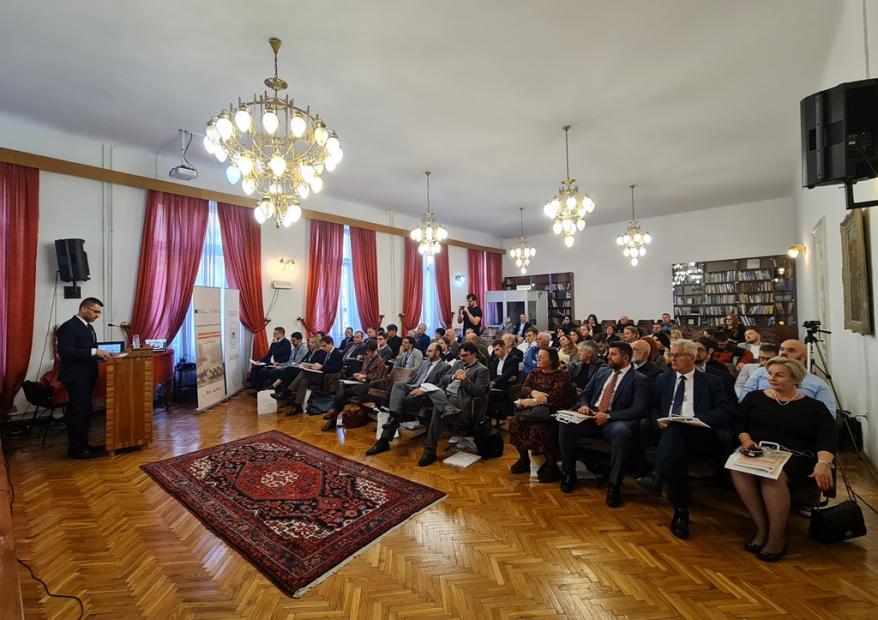


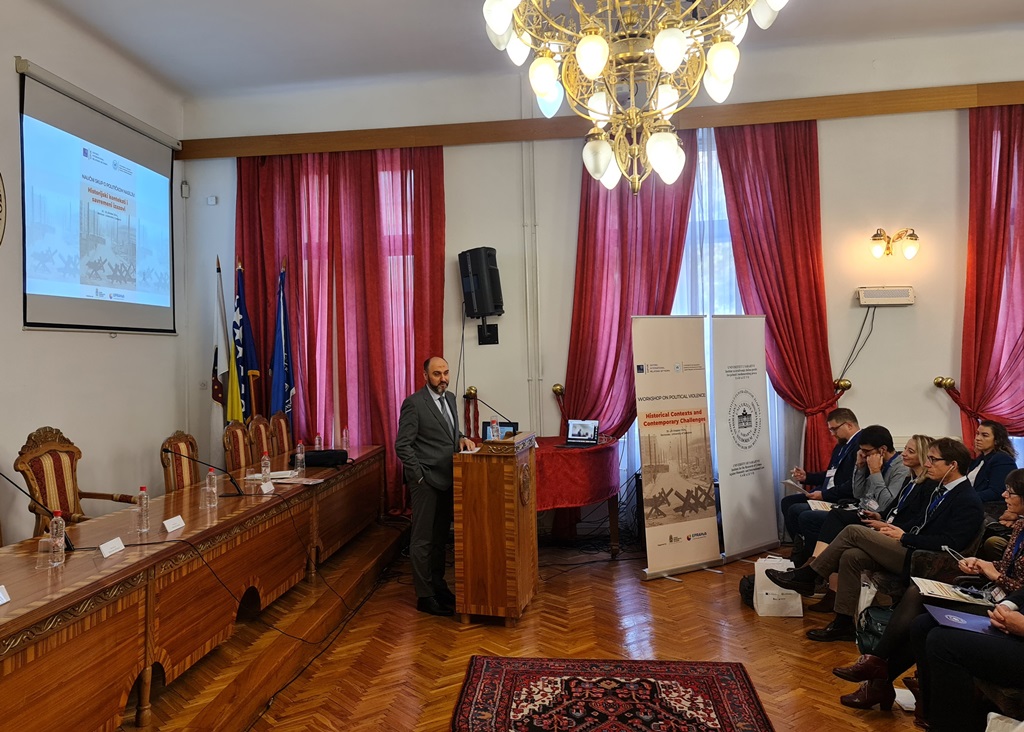
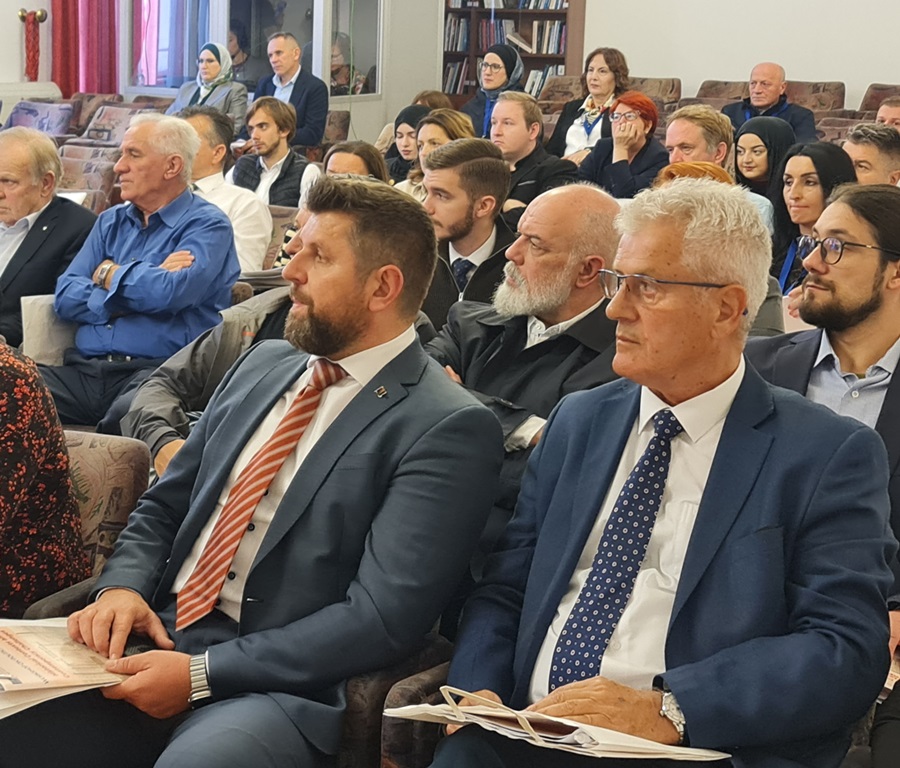
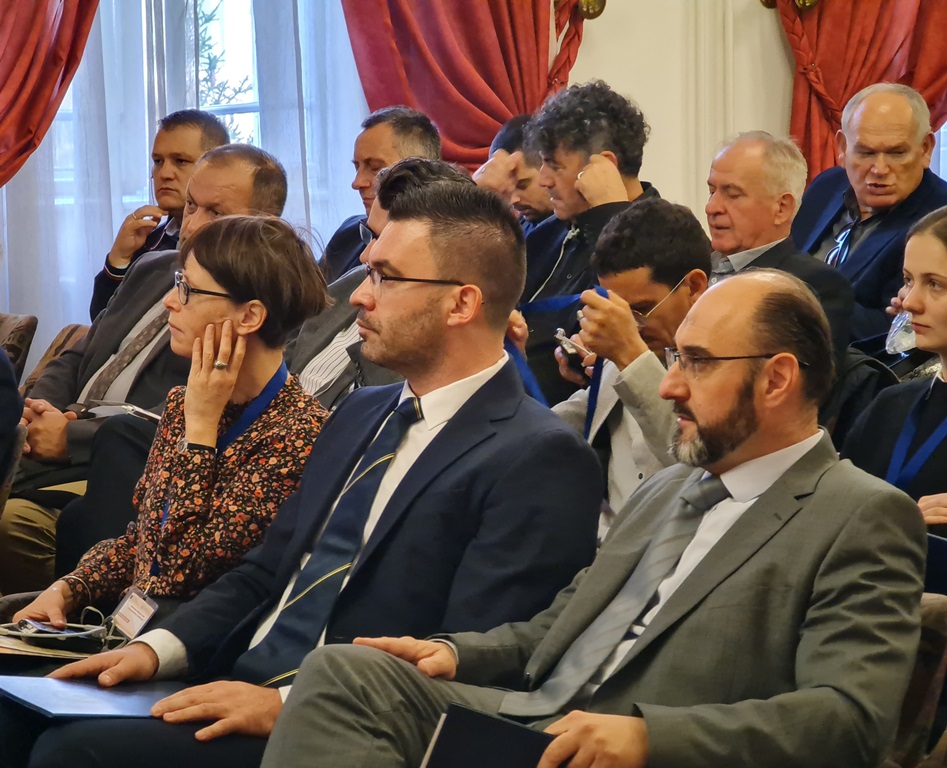
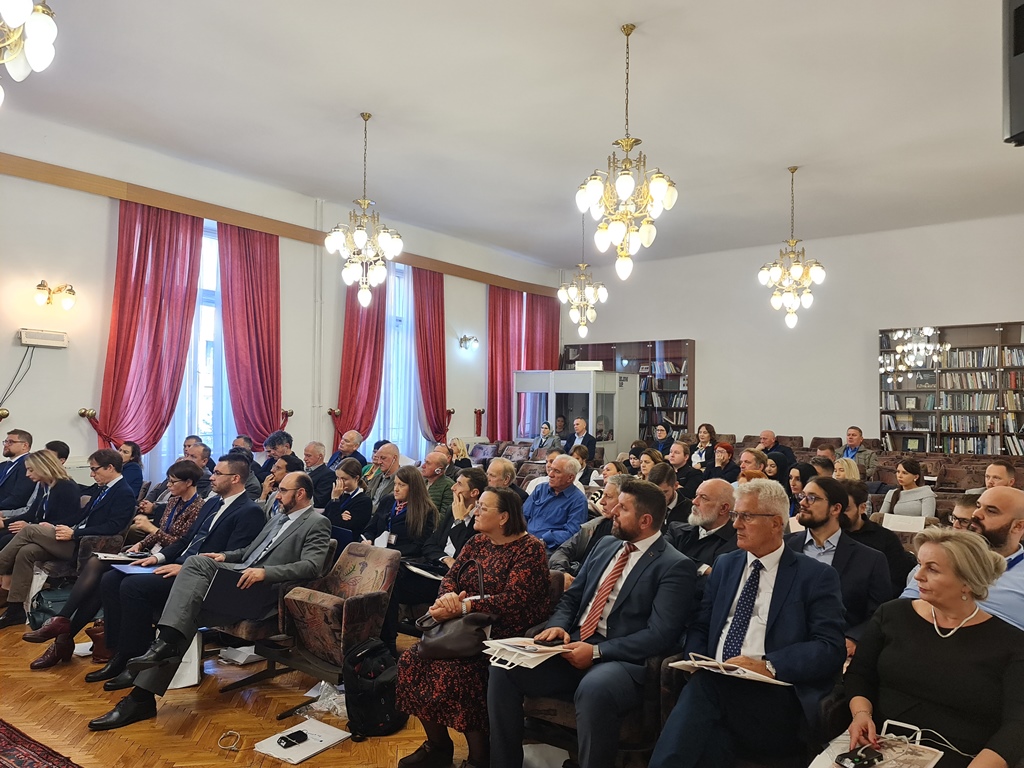
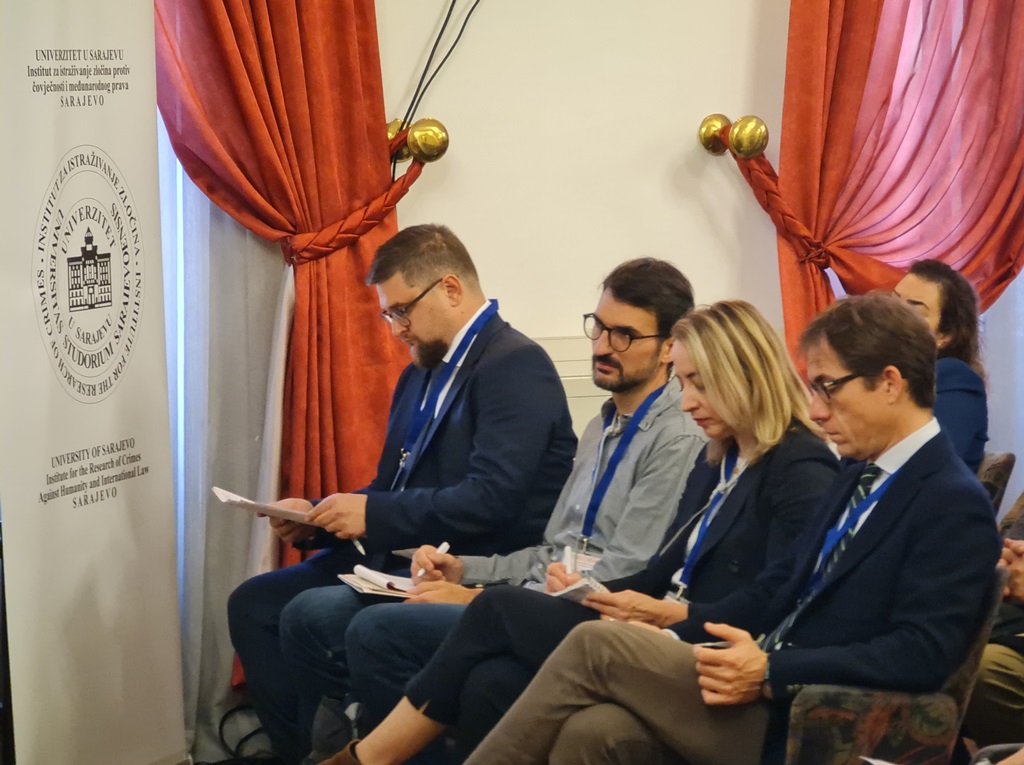
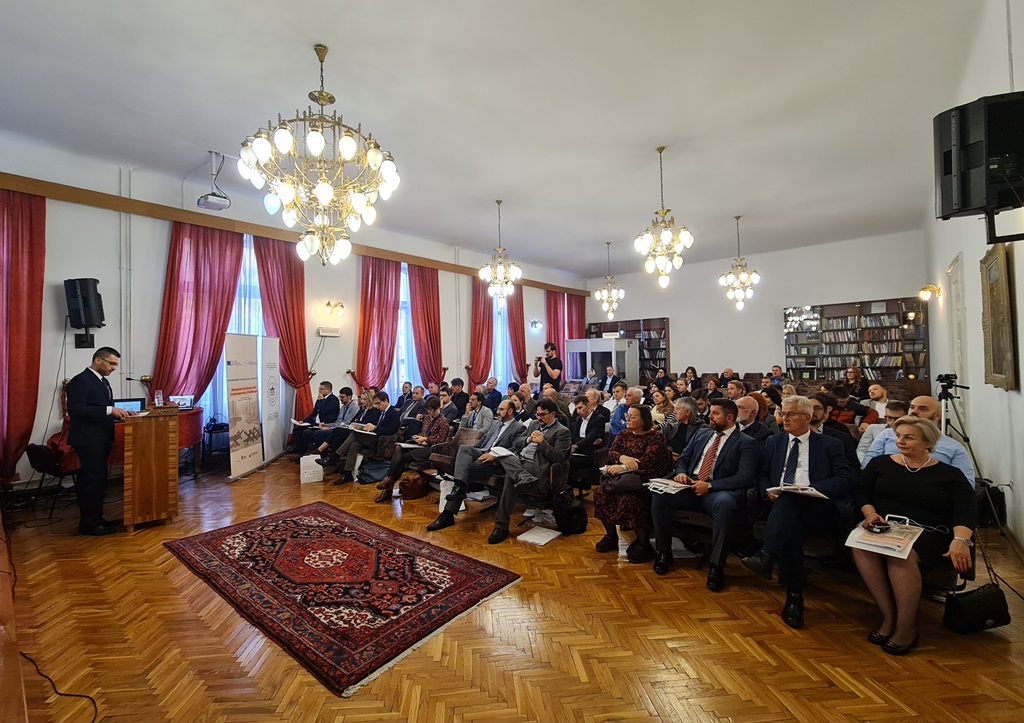
The University of Sarajevo - Institute for Research on Crimes against Humanity and International Law and the Department of Politics and International Relations (DPIR) of the University of Oxford, organized an international scientific meeting and workshop entitled “Political Violence: Historical Contexts and Contemporary Challenges”, the official ceremony of which was the opening took place today, 25 October 2024, in the UNSA Recotrate Ceremonial Hall.
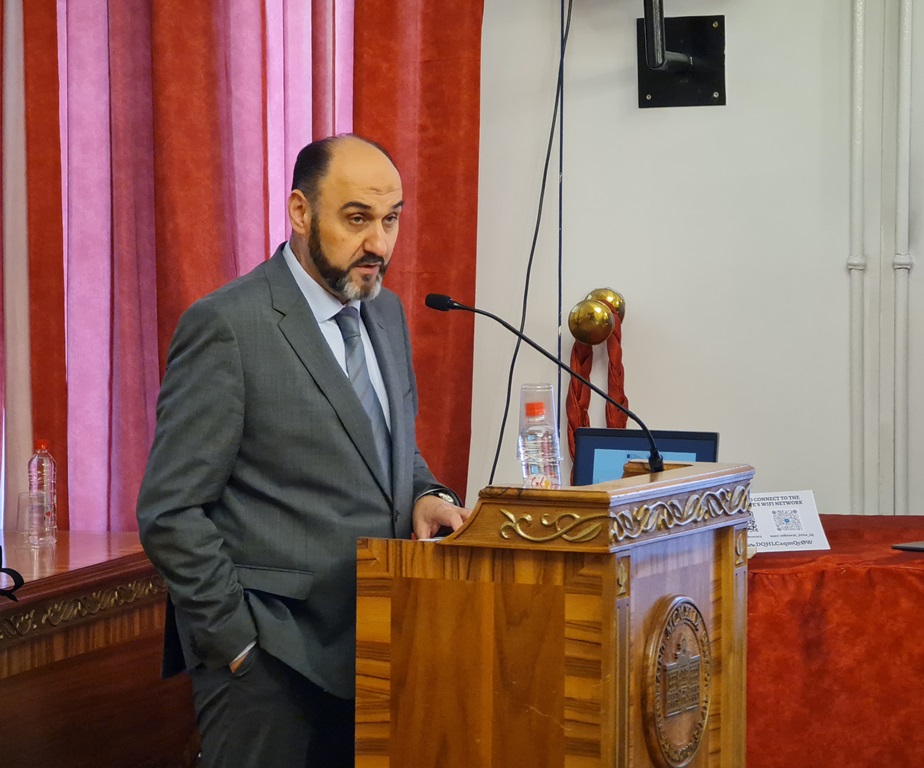
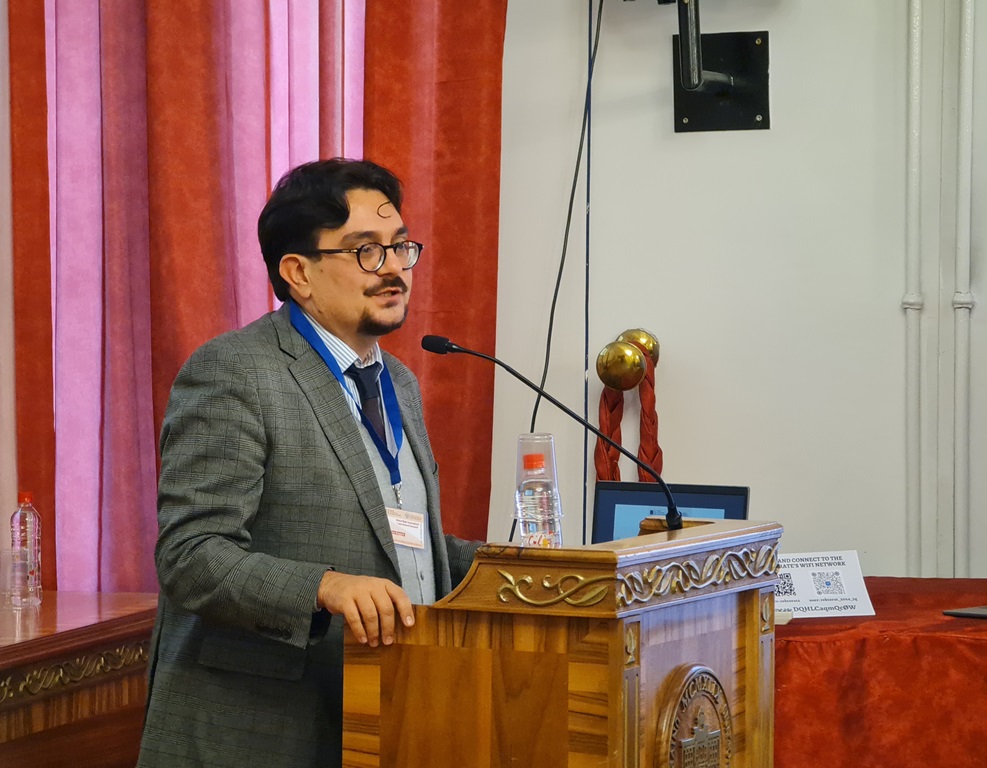
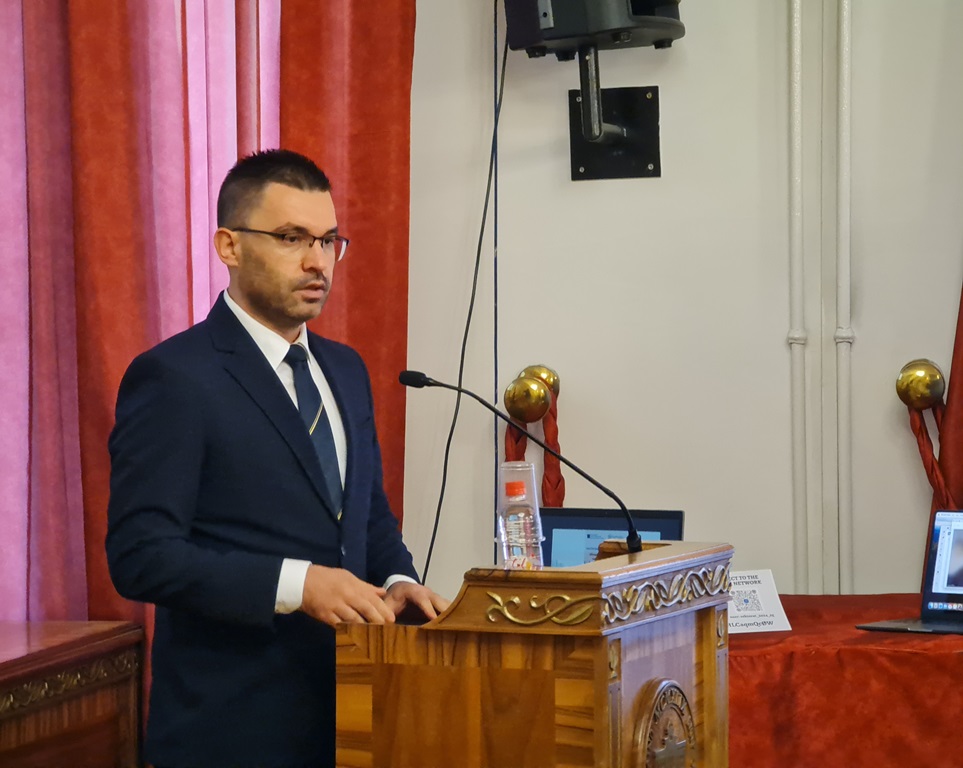
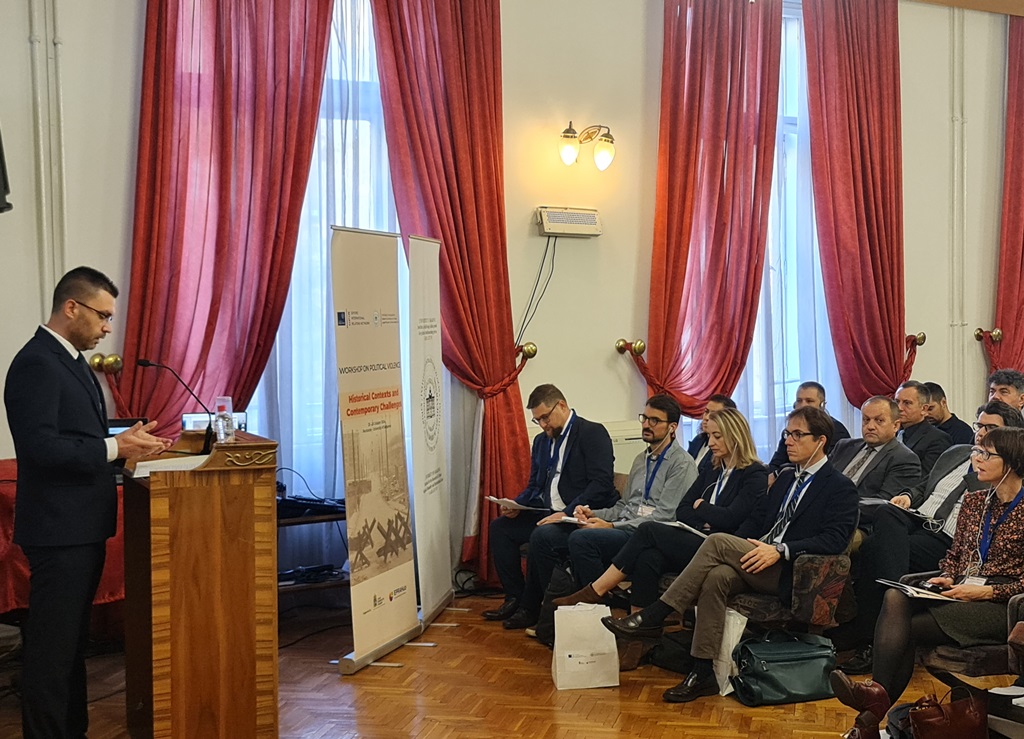
Prof. Dr. Tarik Zaimović, University of Sarajevo rector, Prof. Dr. Andrea Ruggeri from the University of Oxford, and Dr. Muamer Džananović, Director of the Institute for Research of Crimes Against Humanity and International Law, University of Sarajevo addressed the attendees.
As a university that actively works to promote science and knowledge, as stated by the rector of the University of Sarajevo, Prof. Dr. Tarik Zaimović, we are particularly proud that, thanks to the work of the Institute for Research on Crimes against Humanity and International Law, we are the hosts of such a gathering. “Our partnership with the University of Oxford further confirms our commitment to international cooperation and the advancement of academic research,” emphasized Rector Zaimović.
Speaking about political violence, be it in the form of war, repression, but especially other forms of institutional violence, Rector Zaimović emphasizes that it is deeply etched in the history of mankind. “And we in Bosnia and Herzegovina and Sarajevo, unfortunately, have too much knowledge and insight into the problem and consequences of various forms of political violence,” Rector Zaimović stated, and added: “Unfortunately, today, in many places around the world, we see various forms of political violence - and what is particularly worrying is that we quickly forget the lessons of the immediate past”.
Although the immediate conflicts require our attention, as stated by Rector Zaimović, what we need to worry about, especially in the European context, are “new, more pronounced, dare I say more creative, forms of institutional political violence that are increasingly taking the form of the realization of Orwell's worst forms dystopia”.
“The correct understanding of historical events, and the imperative recognition of the narratives that precede violence, is key to finding solutions and building peace in the future,” underlined Rector Zaimović, and expressed his belief that the discussions and works that will be presented at this gathering will contribute not only to a better understanding the complex array of different forms of political violence, but also to provide clear guidelines for general action that will lead to a more peaceful and stable future.
Prof. Dr. Andrea Ruggeri from the University of Oxford emphasized the importance of this meeting, highlighting the contribution of scientists from all over Europe on topics that touch global issues. He thanked for the cooperation in the research of political violence and underlined the importance of the academic partnership between the University of Sarajevo, especially the Institute for Research on Crimes against Humanity and International Law, and the University of Oxford, noting that this cooperation will continue in the future.
Dr. Muamer Džananović emphasized that this scientific meeting represents an important moment for the Bosnian academic community and international cooperation in the field of research into political violence, its causes, consequences and implications.
“As we know, political violence is a complex and multi-layered phenomenon that leaves deep traces on societies around the world. It knows no borders or time frames, and manifests itself in different forms throughout history, while even today it represents a key challenge for peace, stability and development. It is for this reason that this scientific meeting brings together some of the most prominent professors from prestigious universities such as Oxford, Zurich, Milan, Florence, Amsterdam, whose works contribute to a deeper understanding of this issue,” said Dr. Džananović. He also underlined that the role of science in the analysis of political violence is not only in documenting historical facts, but also in creating the foundation for prevention and finding answers to the contemporary challenges we face. “Unfortunately, we are currently witnessing such in Ukraine, Gaza and other parts of the world. Understanding the dynamics of political violence in historical and contemporary contexts can help us to see the pattern of action of various actors, from states to informal groups, and identify the mechanisms that enable violence, but also the ways in which it can be stopped”, says Dr. Džananović. He pointed out that he is proud of the fact that today's scientific part of the meeting and interest in political violence, which, among other things, led to war, mass crimes and genocide in Bosnia and Herzegovina, is dominated by scientists from the Institute for Research on Crimes against Humanity and International Law.
“We believe that this gathering, in addition to strengthening academic and international cooperation in the field of research into political violence and its historical and contemporary implications, will contributewe fight against historical revisionism and denial of the genocide against Bosniaks, which are widespread both locally and regionally, as well as globally. We will defeat the deniers of genocide by fighting for the truth, for which we must fight day and night and work and invest a lot more on that front,” stressed Dr. Džananović.
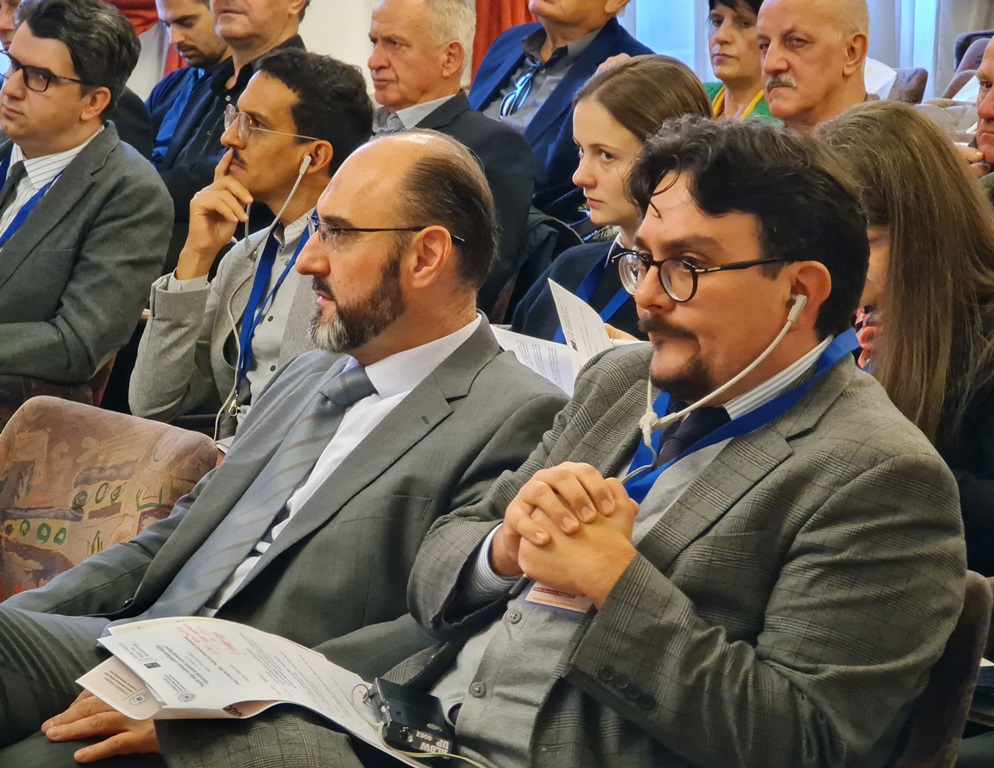
The scientific conference and workshop “Political Violence: Historical Contexts and Contemporary Challenges” brought together prominent scientists and researchers from various prestigious universities and institutes. The participants of the meeting, in addition to the scientific workers of the Institute for the Research of Crimes against Humanity and International Law of the University of Sarajevo, include, among others, scientists from the University of Oxford, ETH Zurich, the University of Milan, University College London, the University of Florence and the University of Amsterdam. Scientists and researchers coming from several prestigious European universities will present their research on political violence around the world.
The meeting will be held on 25 and 26 October 2024, and the support for the organization of this event was provided by the Evidence-based Policy Research and Action Hub (EPRAHub) and the Folke Bernadotte Academy (FBA), which further strengthens academic and international cooperation in the field of research political violence and its historical and contemporary implications.
This meeting aims to provide a comprehensive overview of political violence through the prism of historical circumstances, as well as current challenges in the modern world.