Conference “Srebrenica 30 Years After the Genocide: Memory, Responsibility, and Challenges of Denial” Closed


Conference “Srebrenica 30 Years After the Genocide: Memory, Responsibility, and Challenges of Denial” Closed
CONCERT BY THE SARAJEVO PHILHARMONIC ORCHESTRA DEDICATED TO CHILDREN KILLED IN WARS
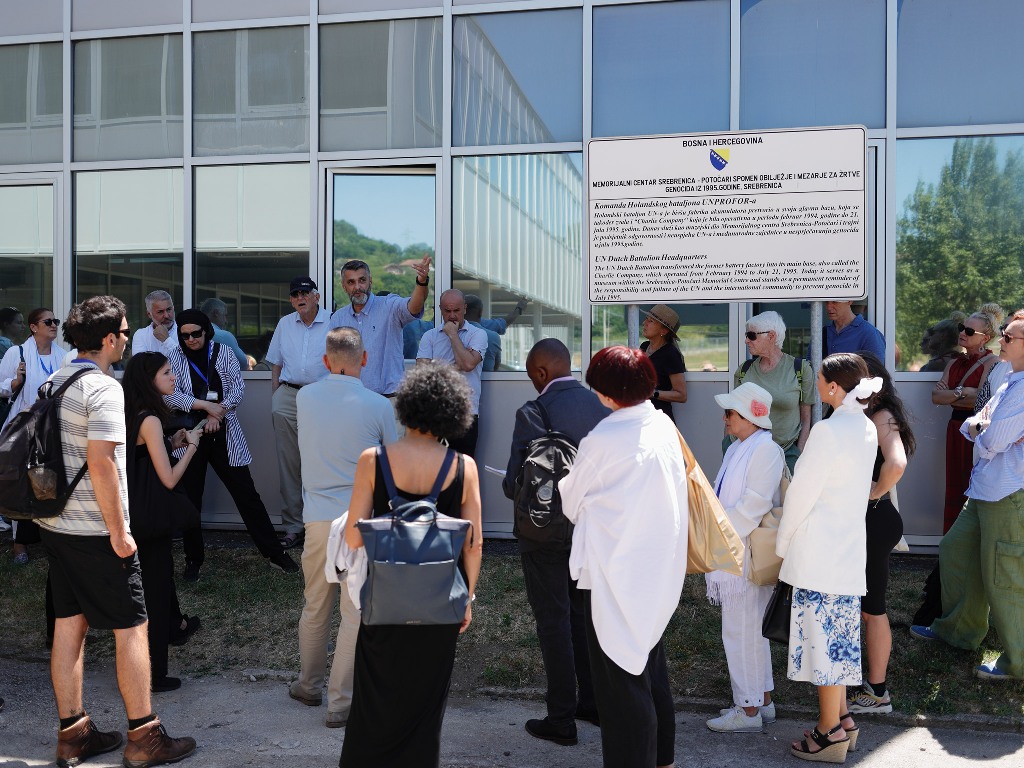
Participants visited the Srebrenica Memorial Center in Potočari and sites of suffering
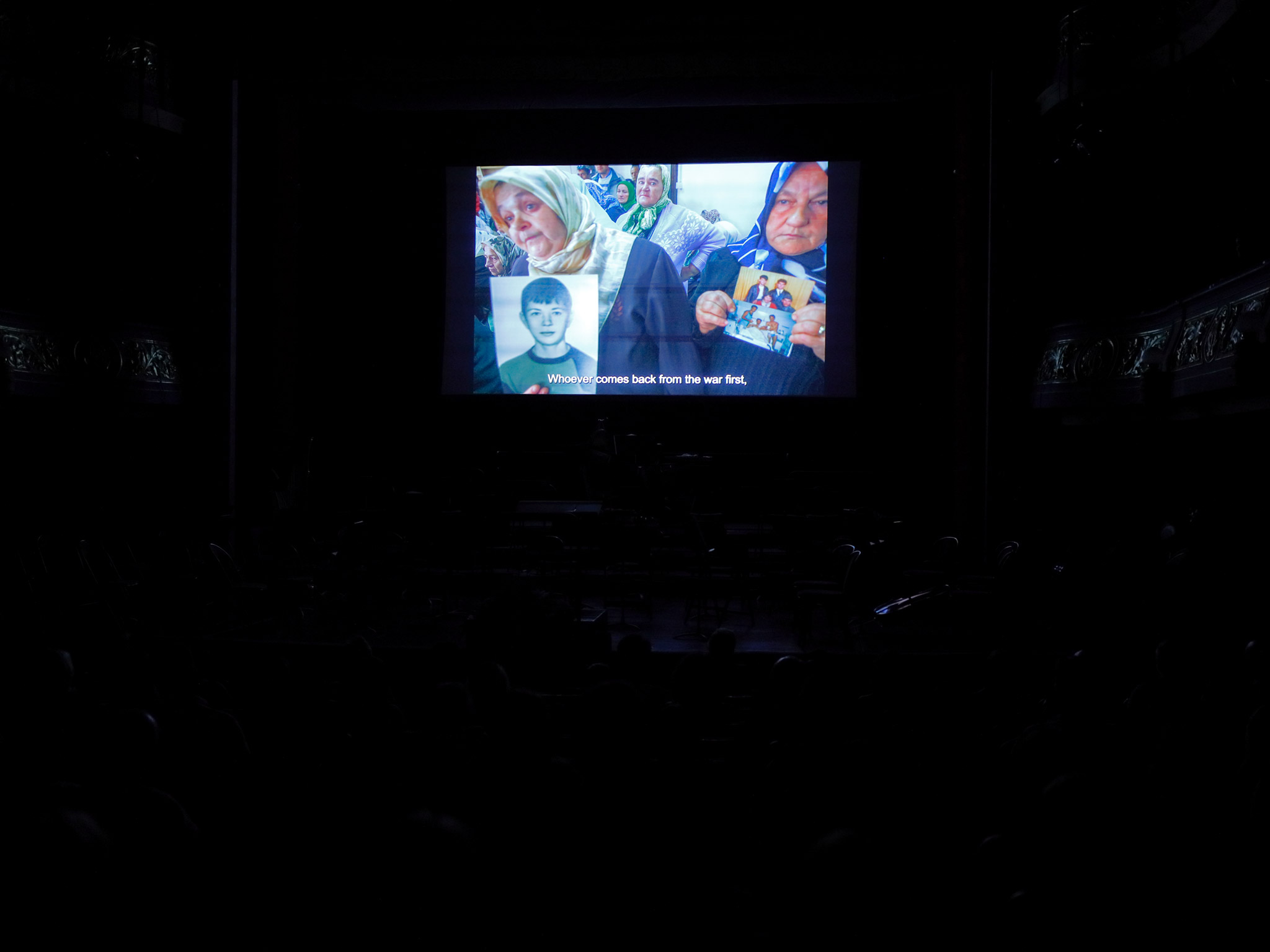
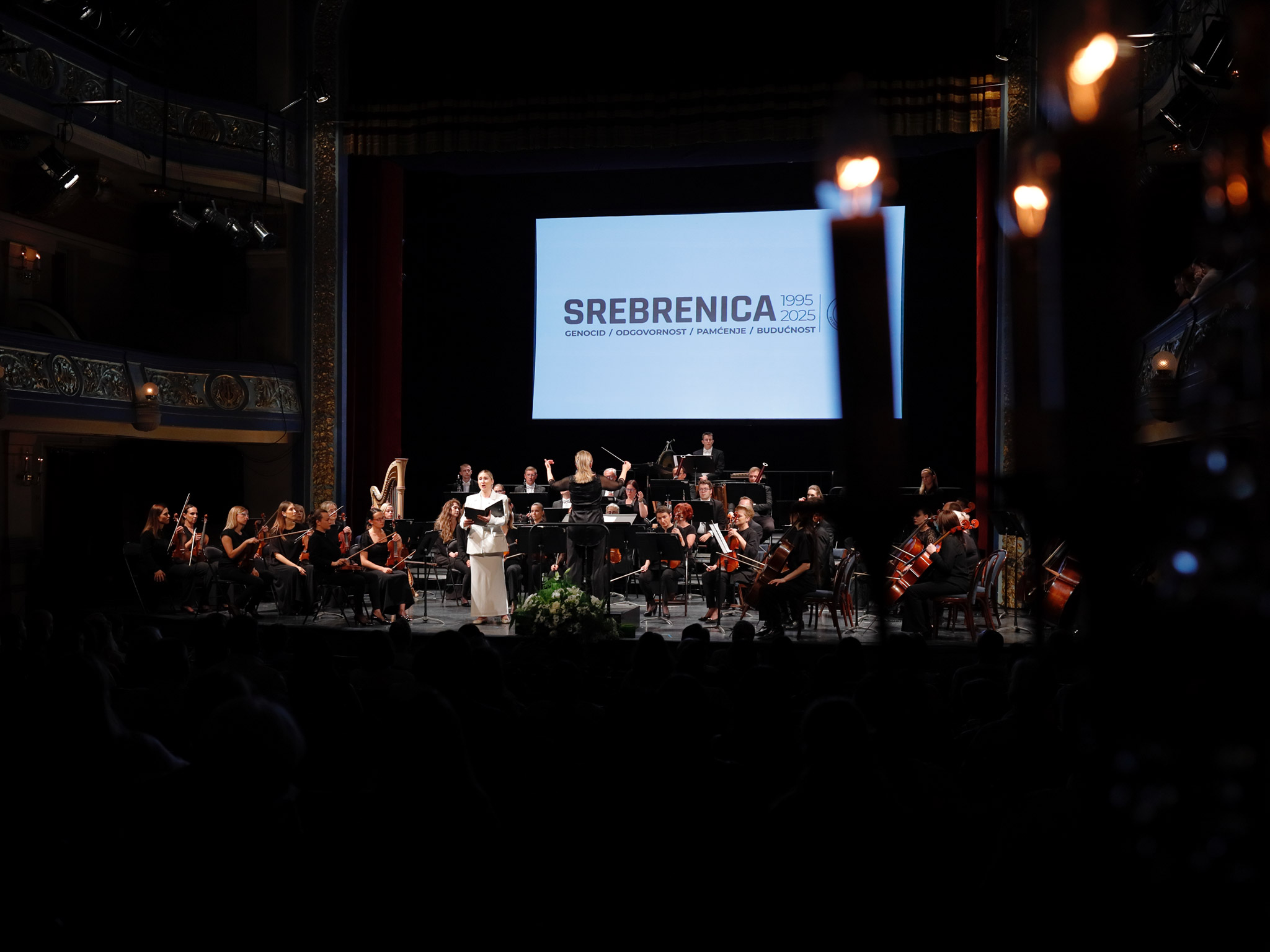
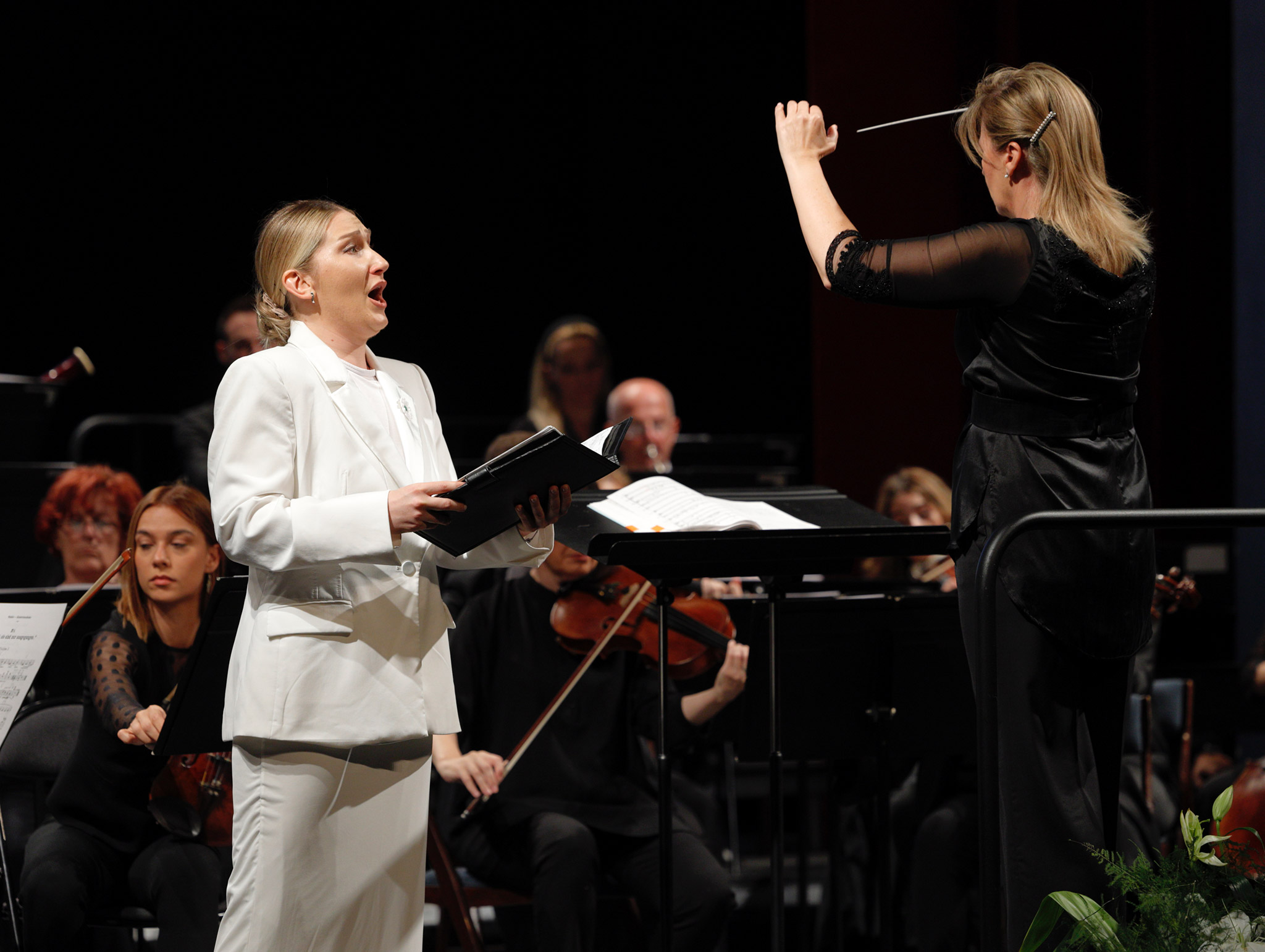
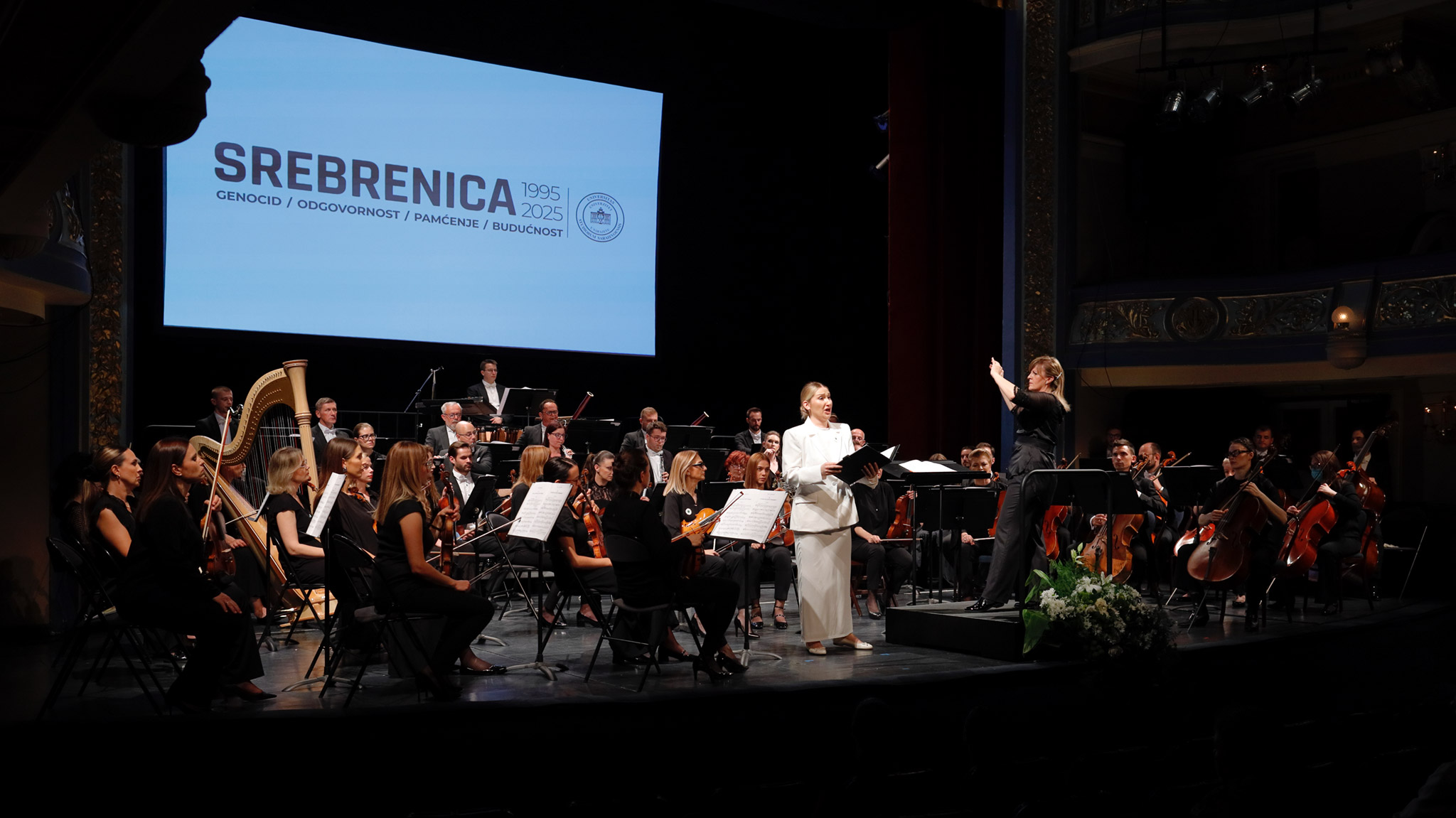
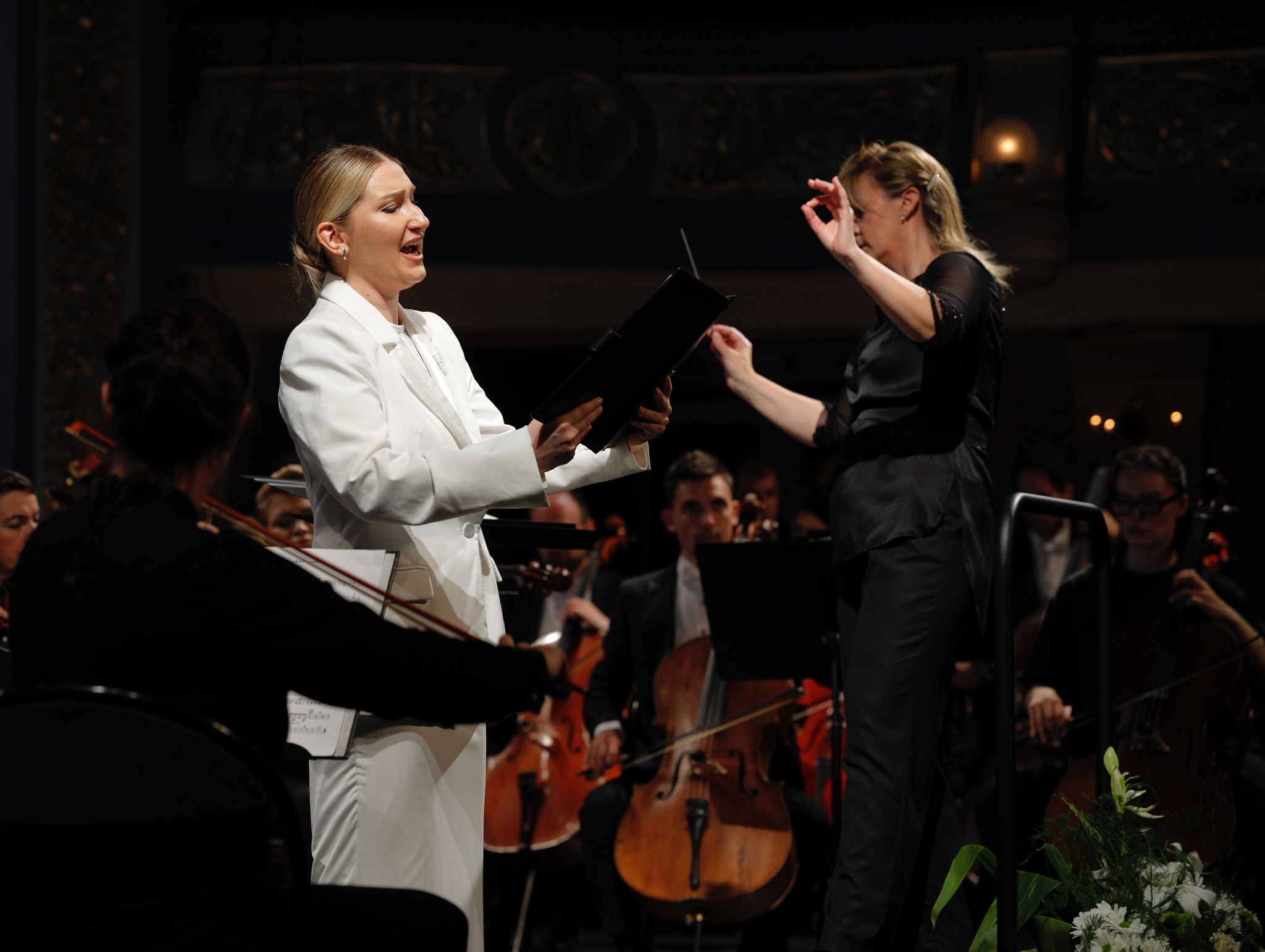
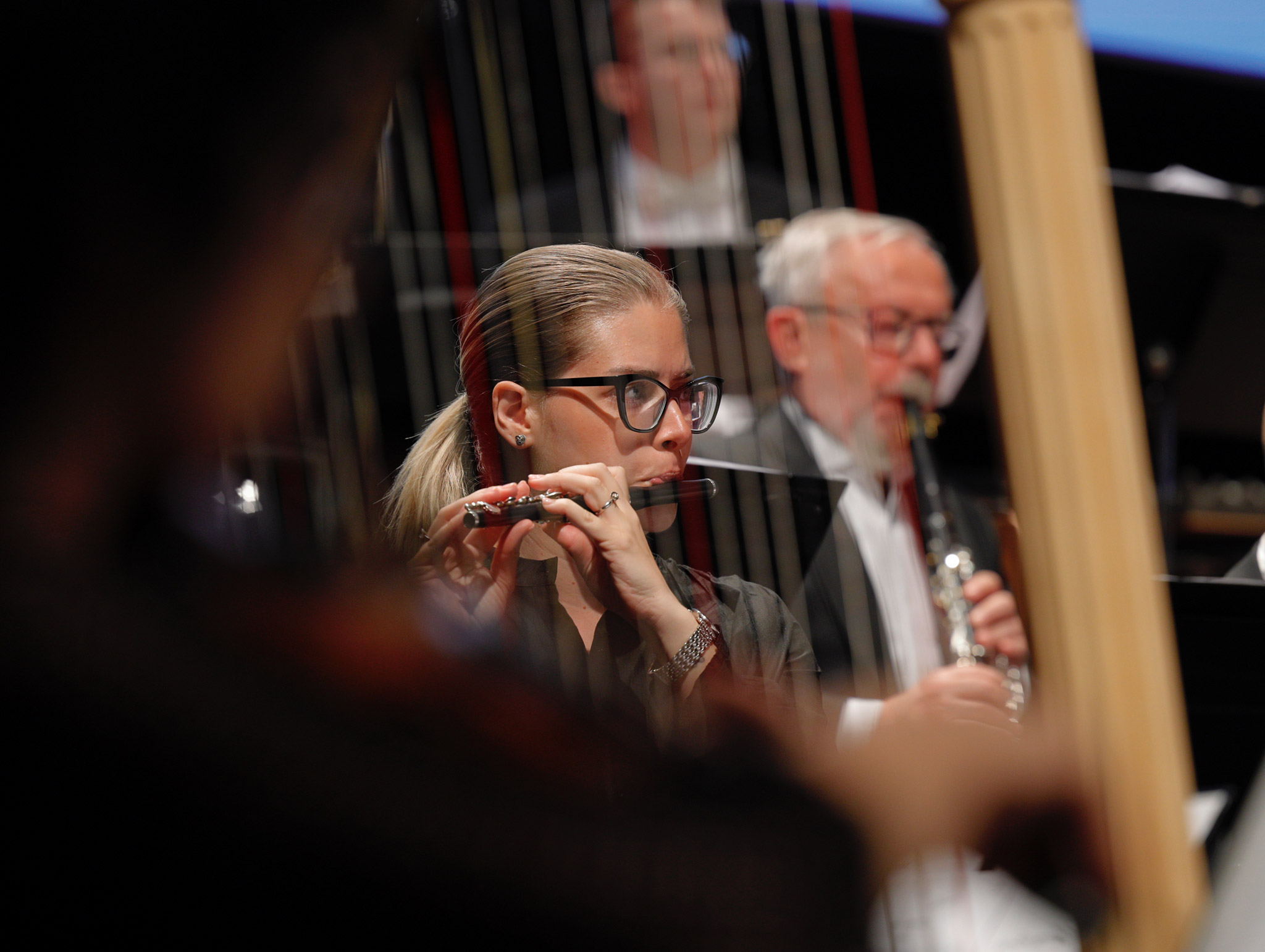
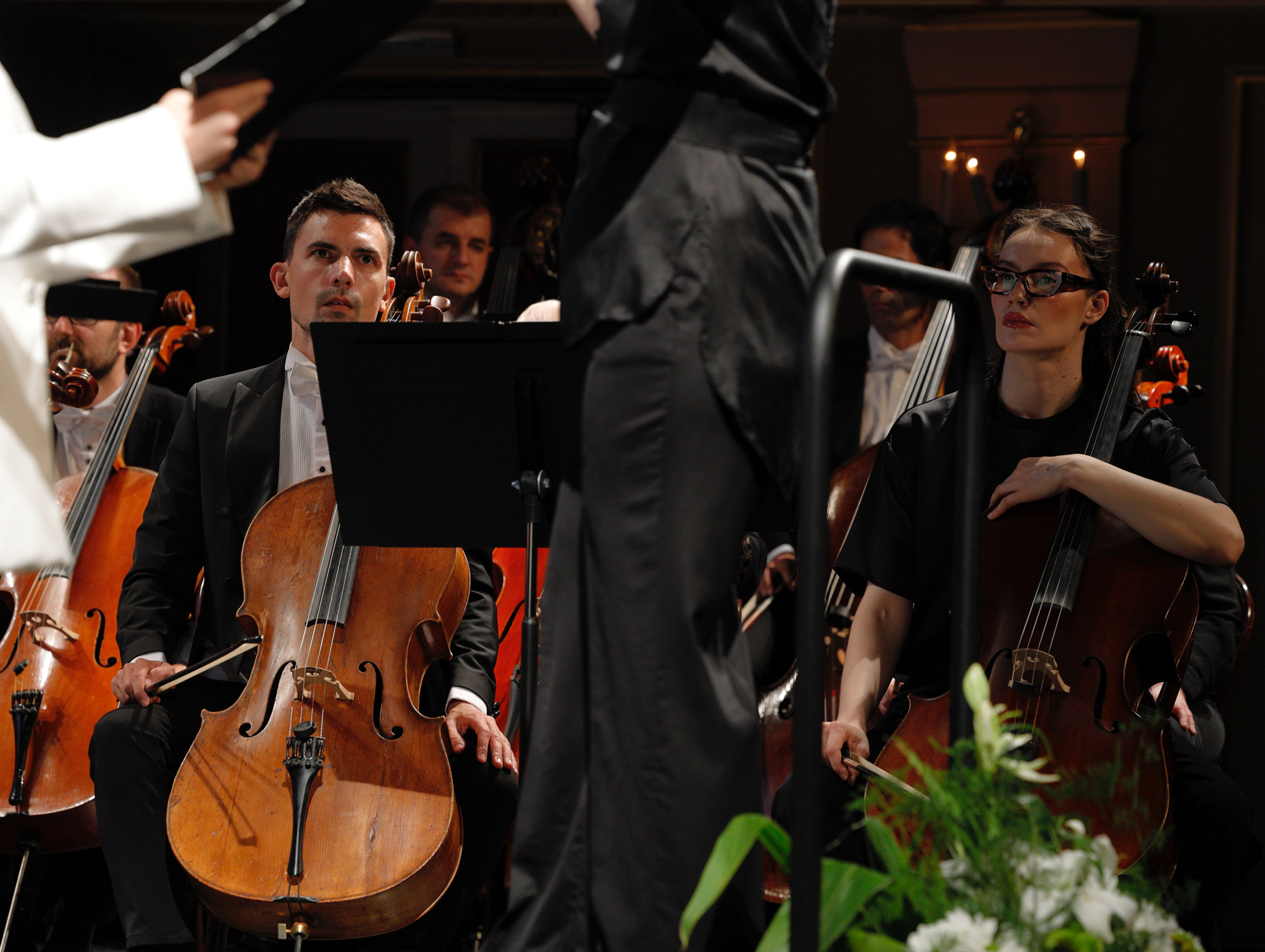
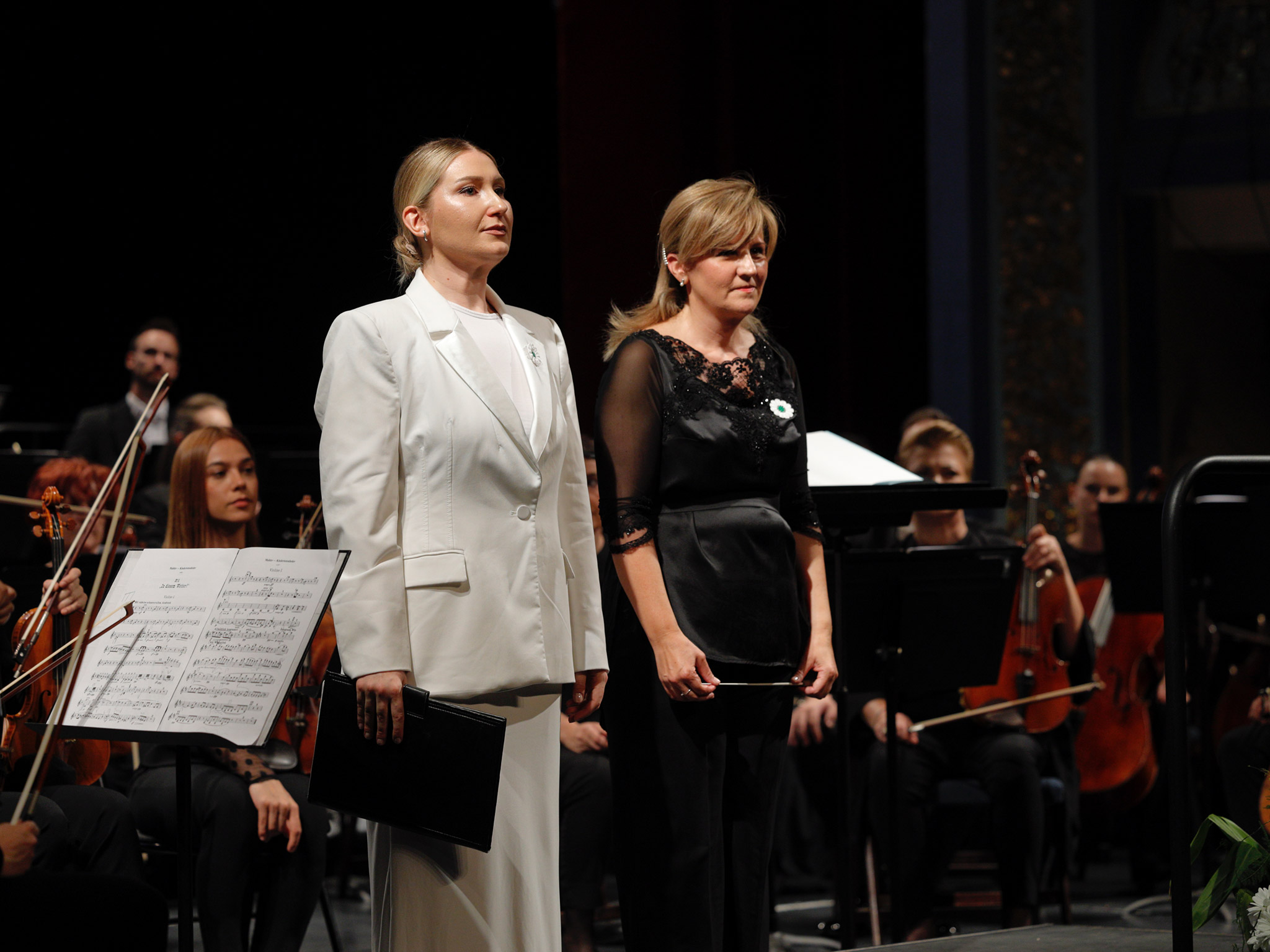
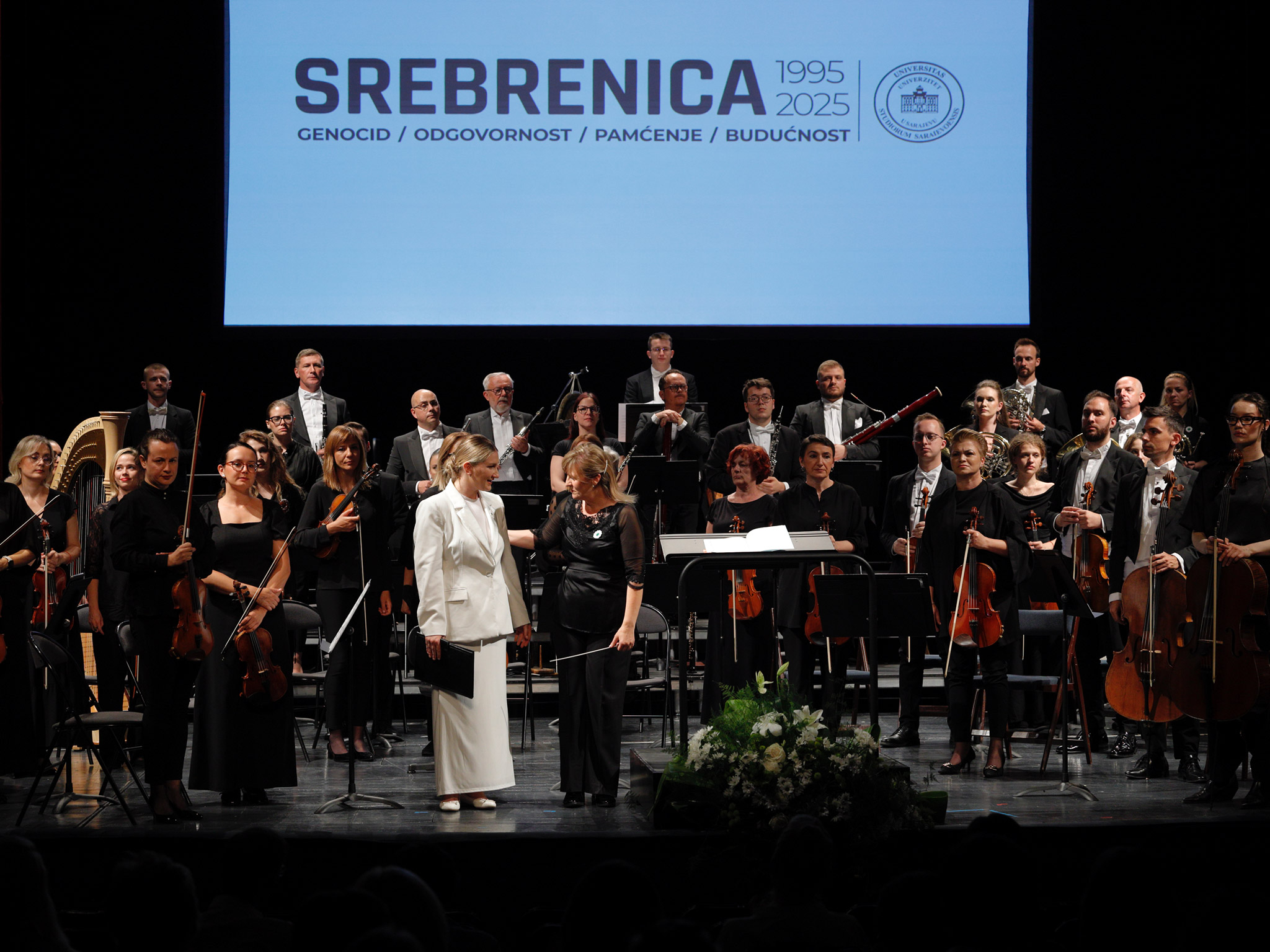
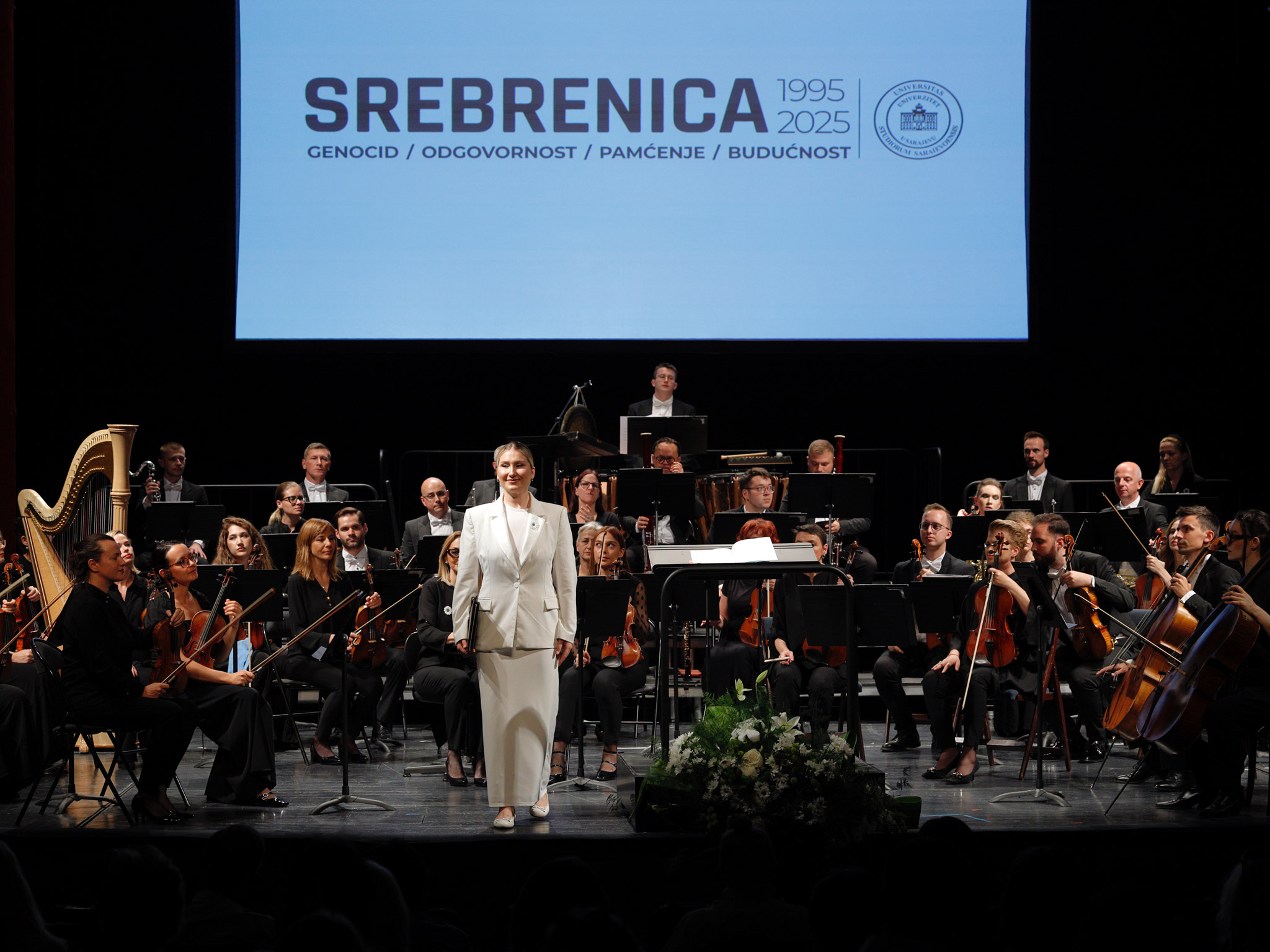
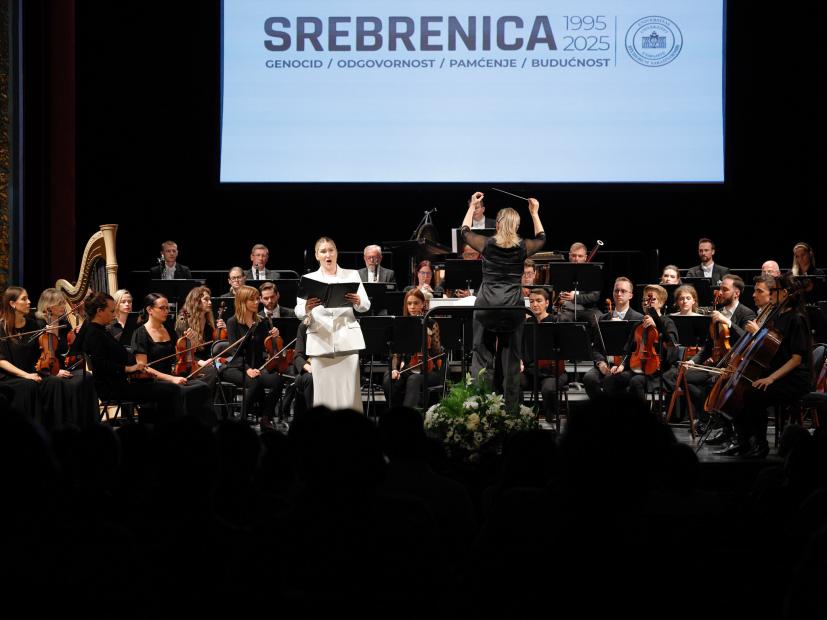
With a concert by the Sarajevo Philharmonic Orchestra at the National Theatre, featuring Gustav Mahler’s “Kindertotenlieder” (Songs of the Dead Children), the three-day international scientific conference of the University of Sarajevo — “Srebrenica 30 Years After the Genocide: Memory, Responsibility, and Challenges of Denial” — was officially closed. The piece performed represents a cycle of songs that powerfully and movingly express the pain of parental loss and the fragility of human life. The orchestra was led by maestro Samra Gulamović, with mezzo-soprano Amila Ravkić as the soloist. During the concert, a video essay directed by Danis Tanović was also presented, combining photographs by Damir Šagolj with poetry by Faruk Šehić. The concert paid tribute not only to children who perished in the Srebrenica genocide but also to children who died in wars and conflicts worldwide.
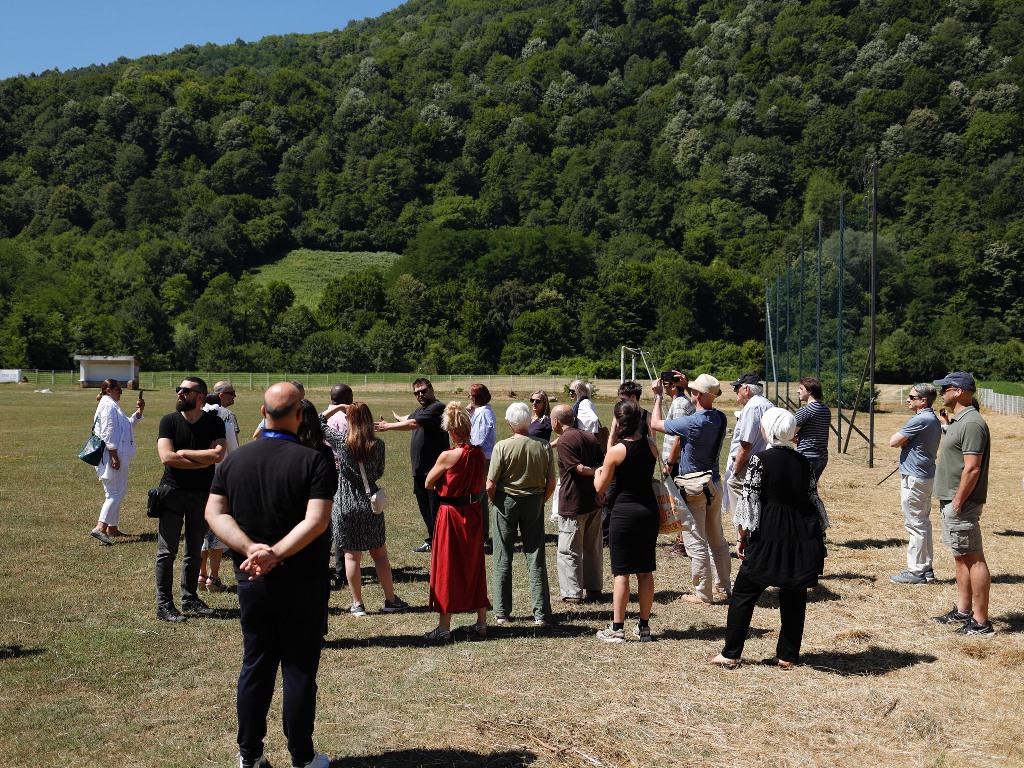
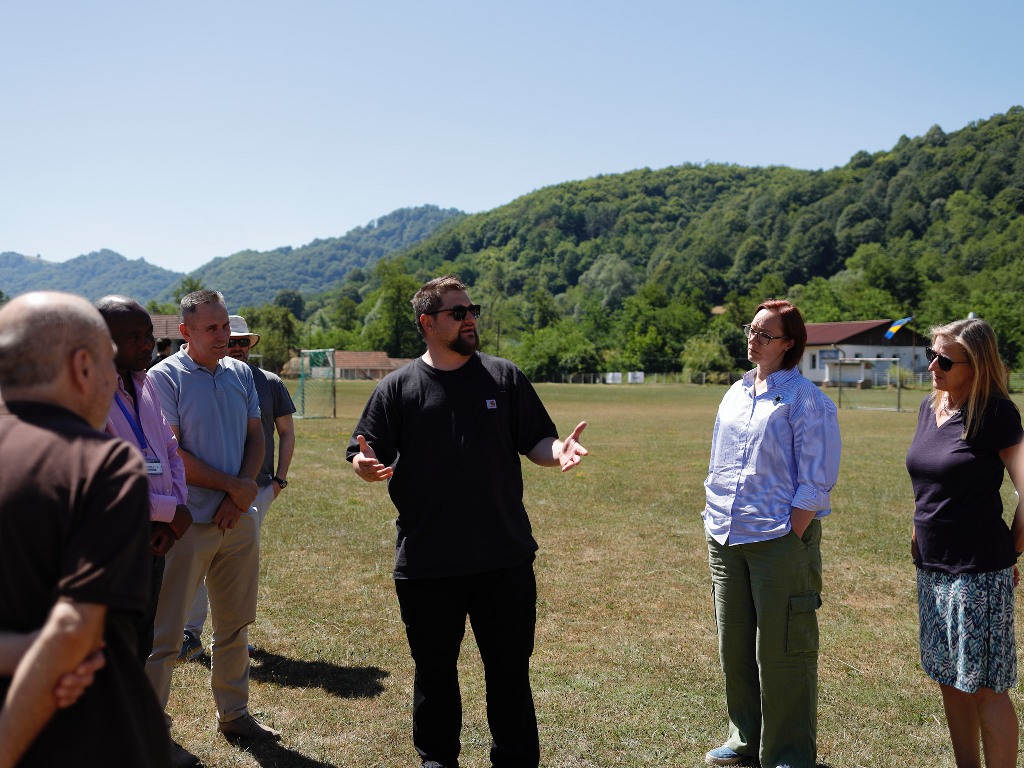
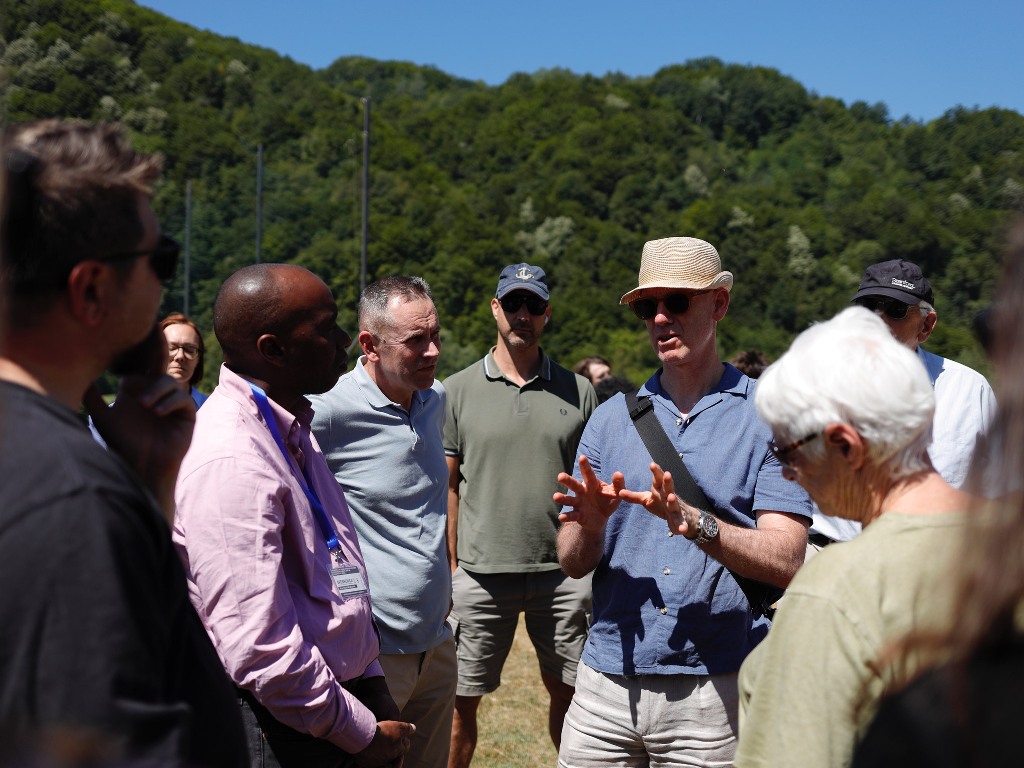
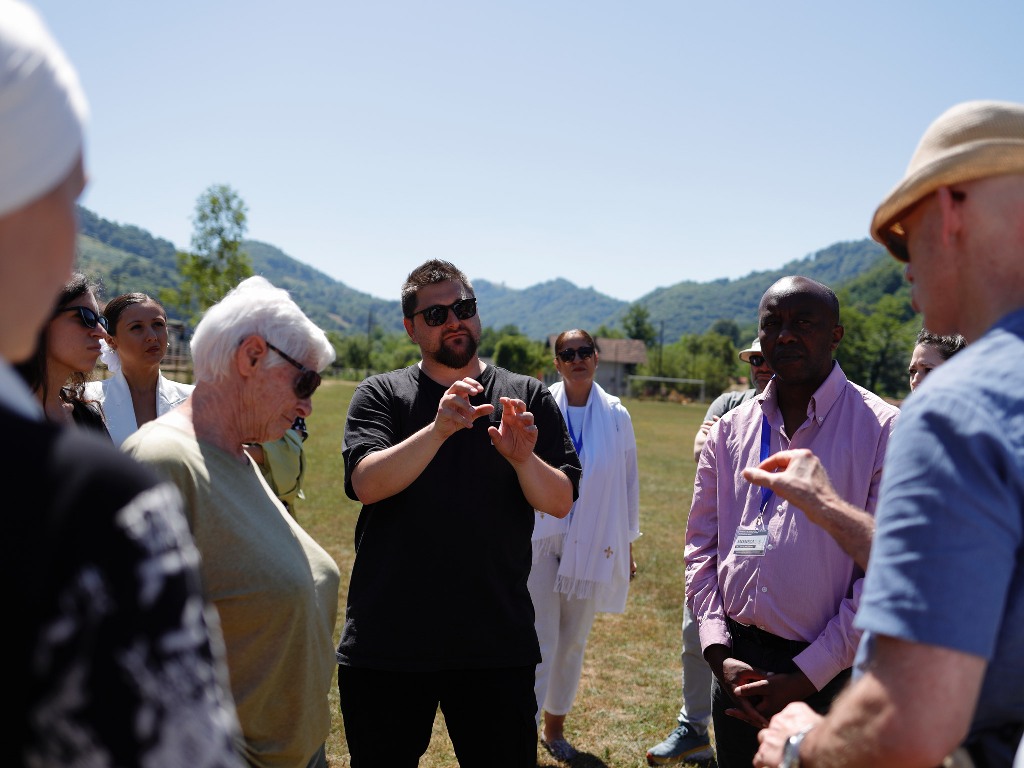
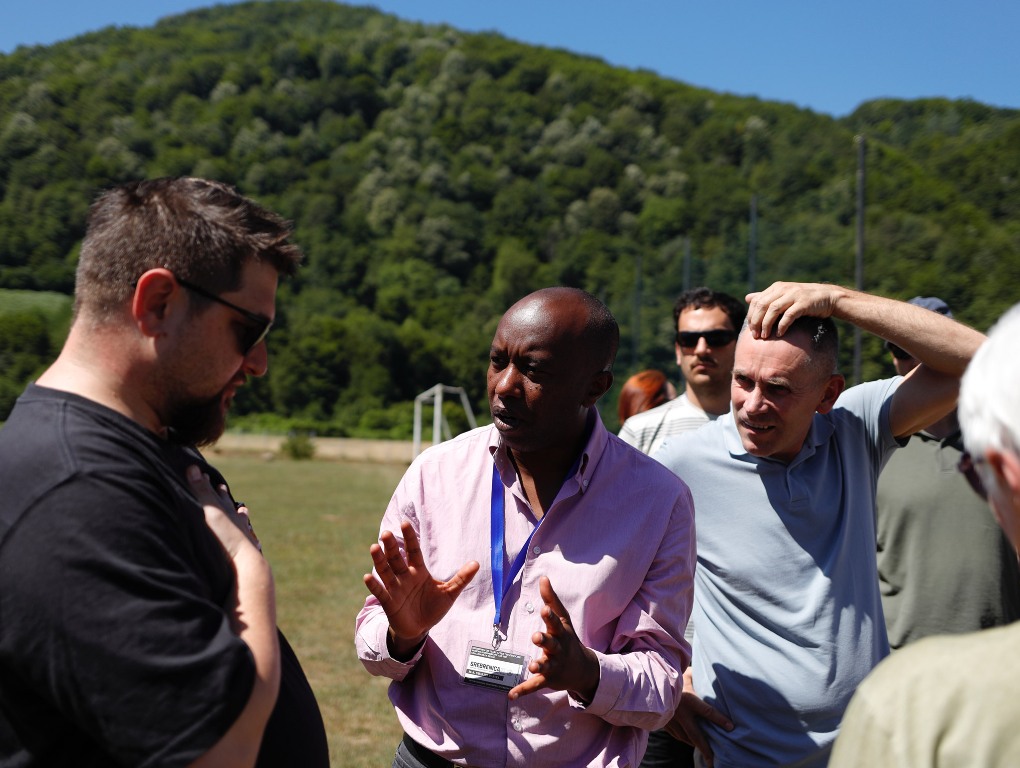
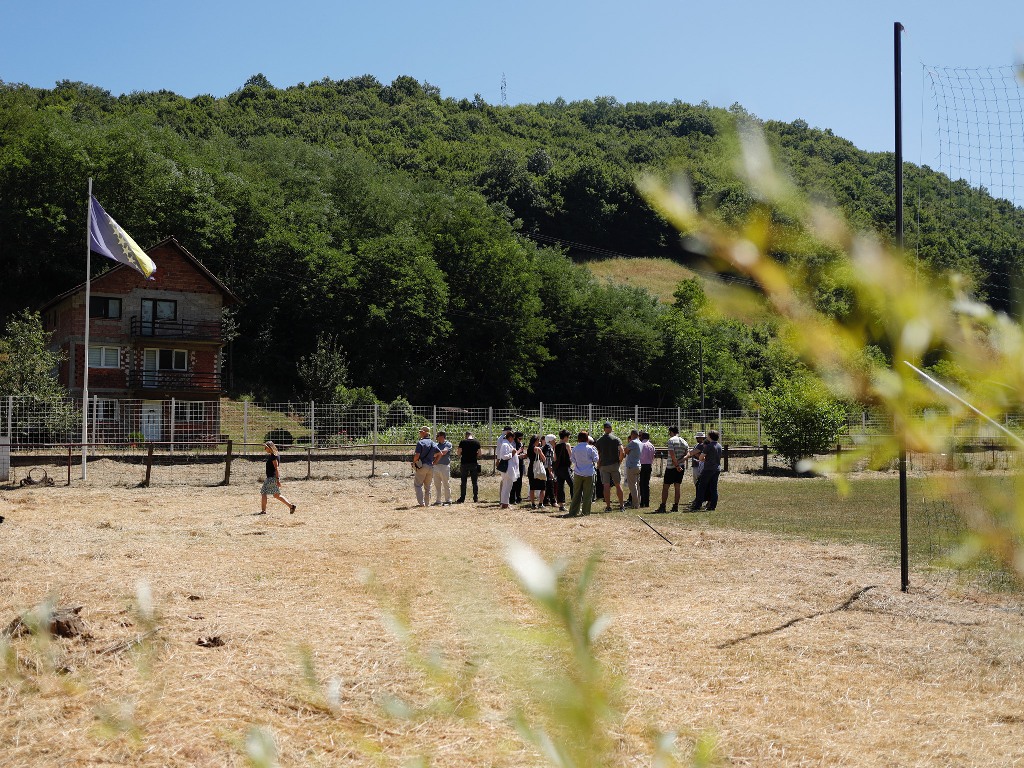
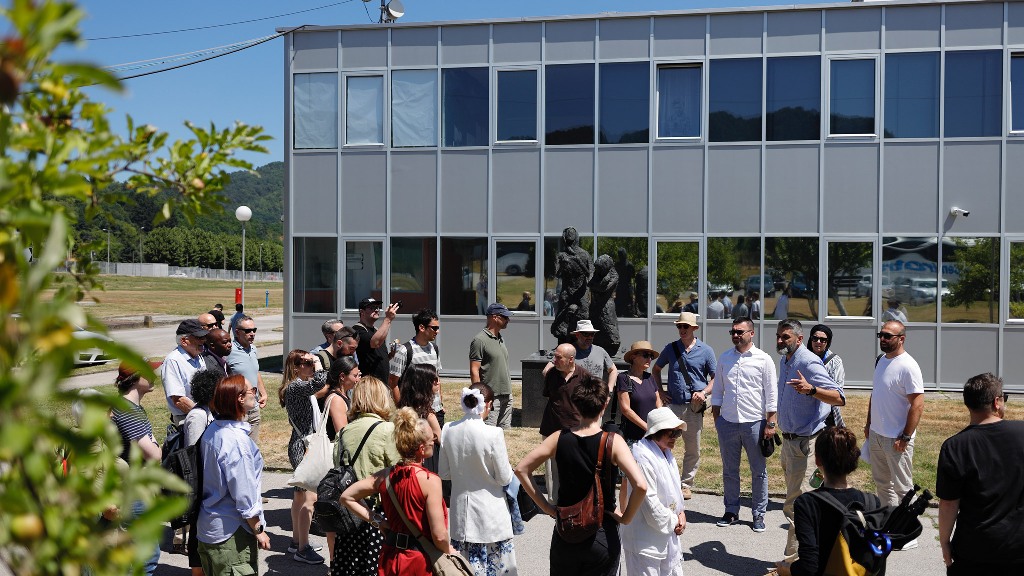
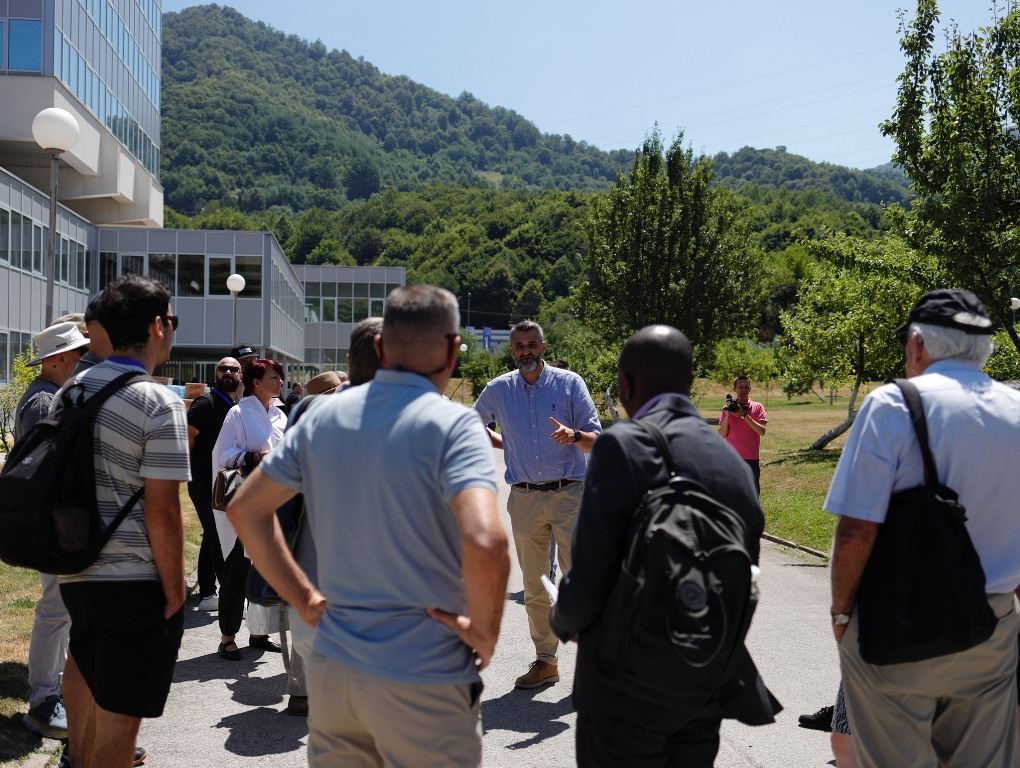
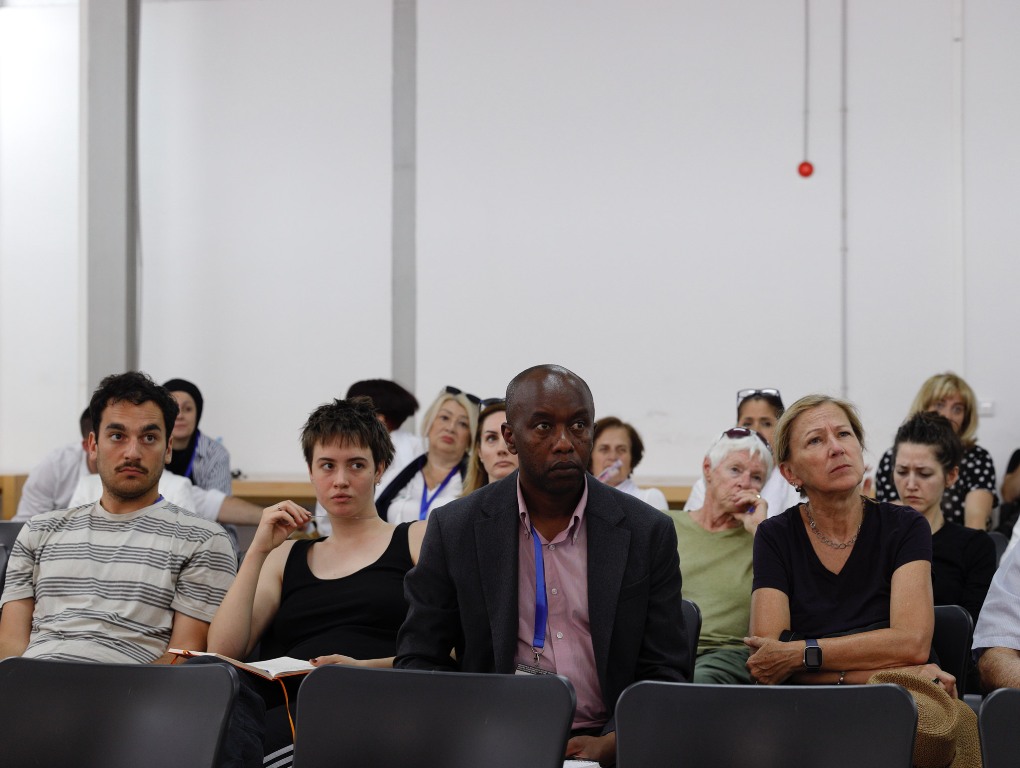
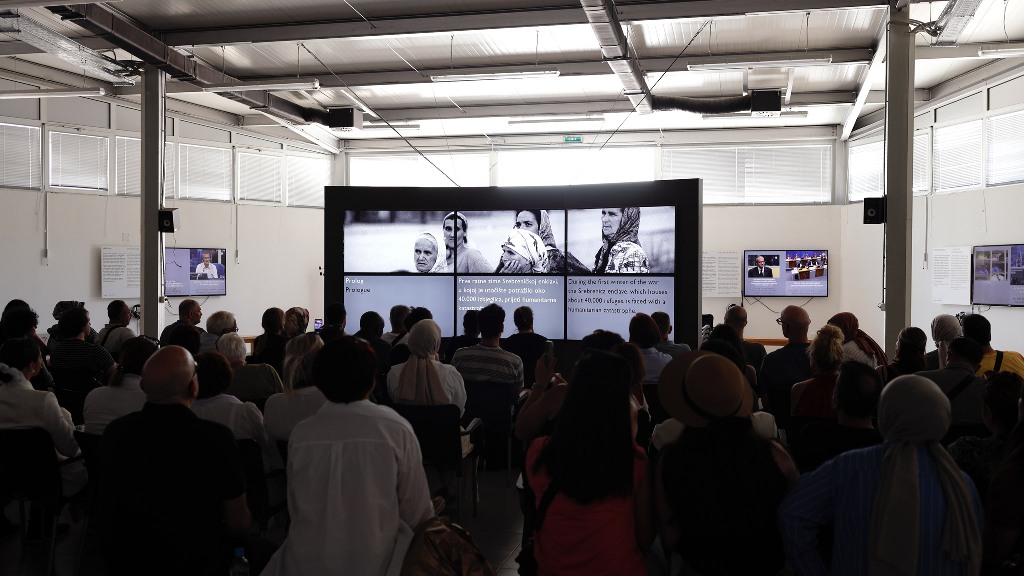
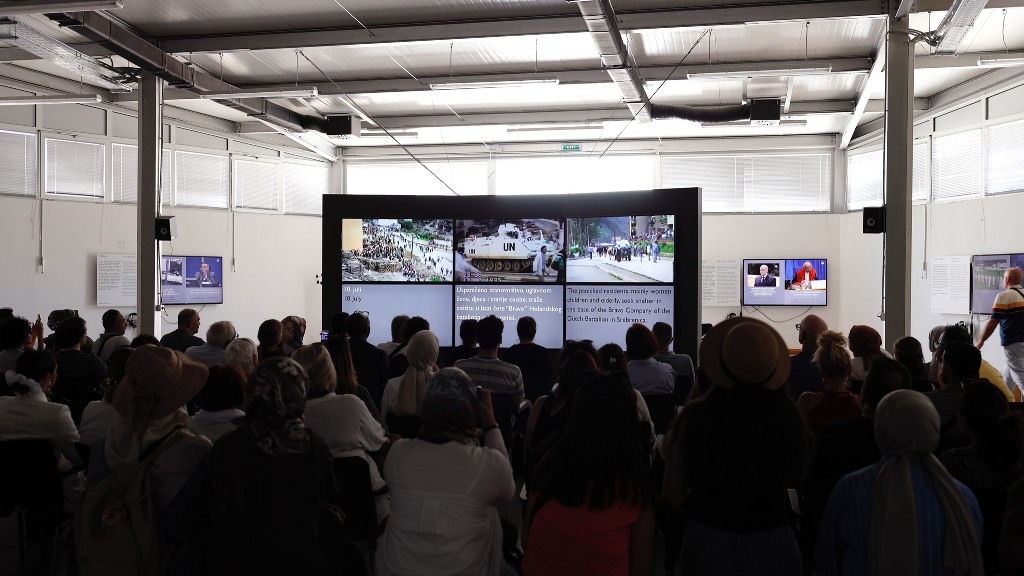
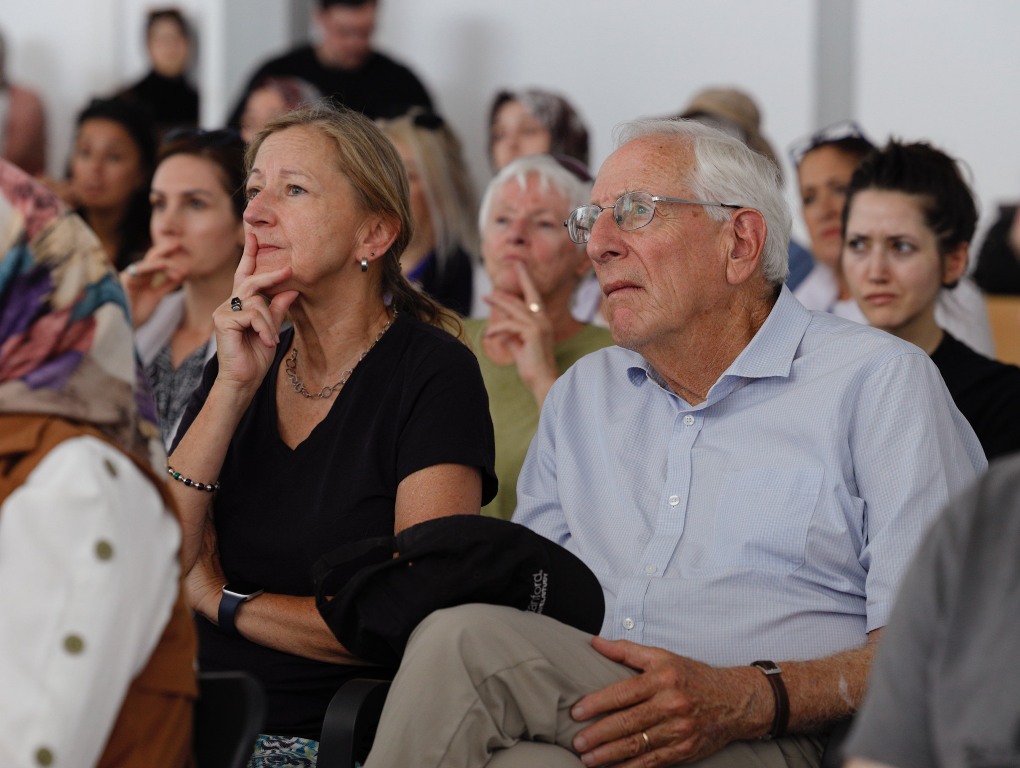
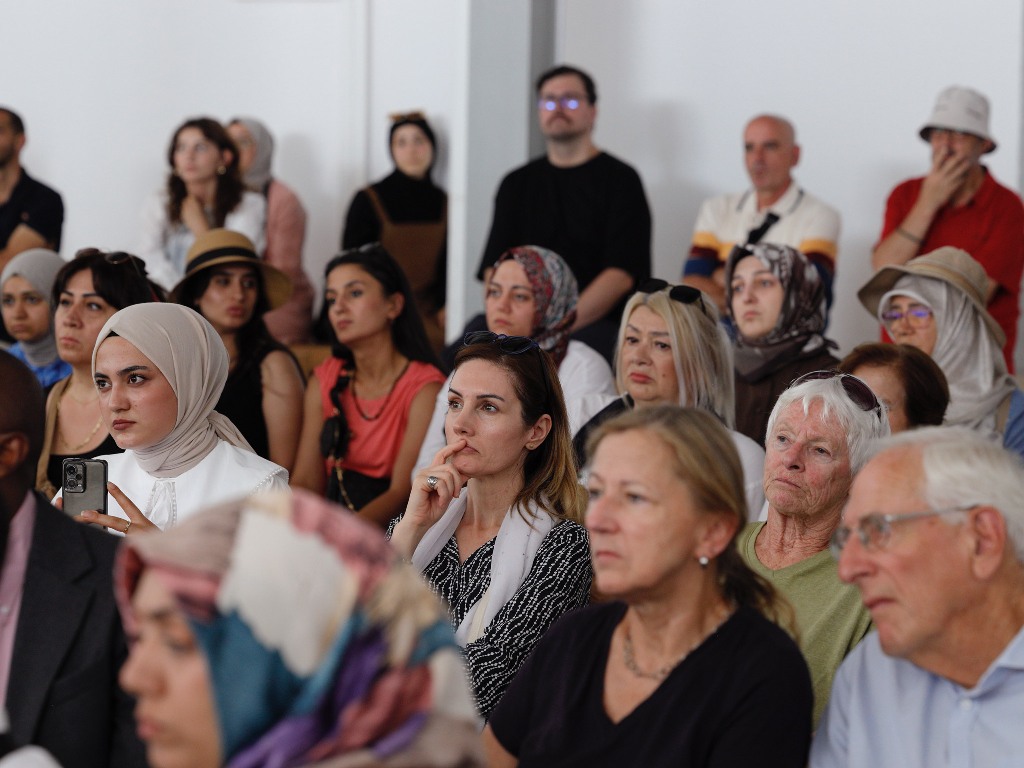
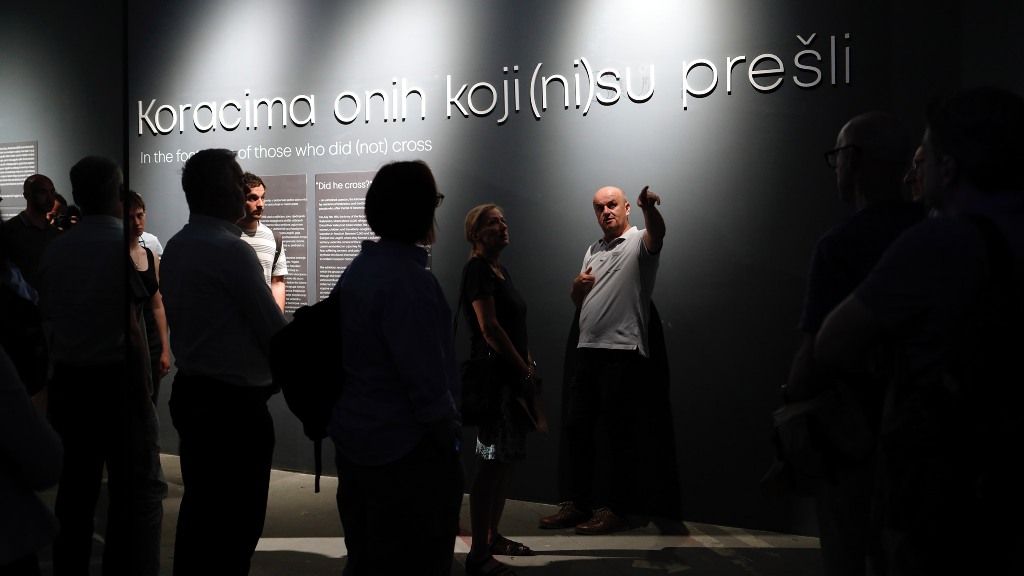
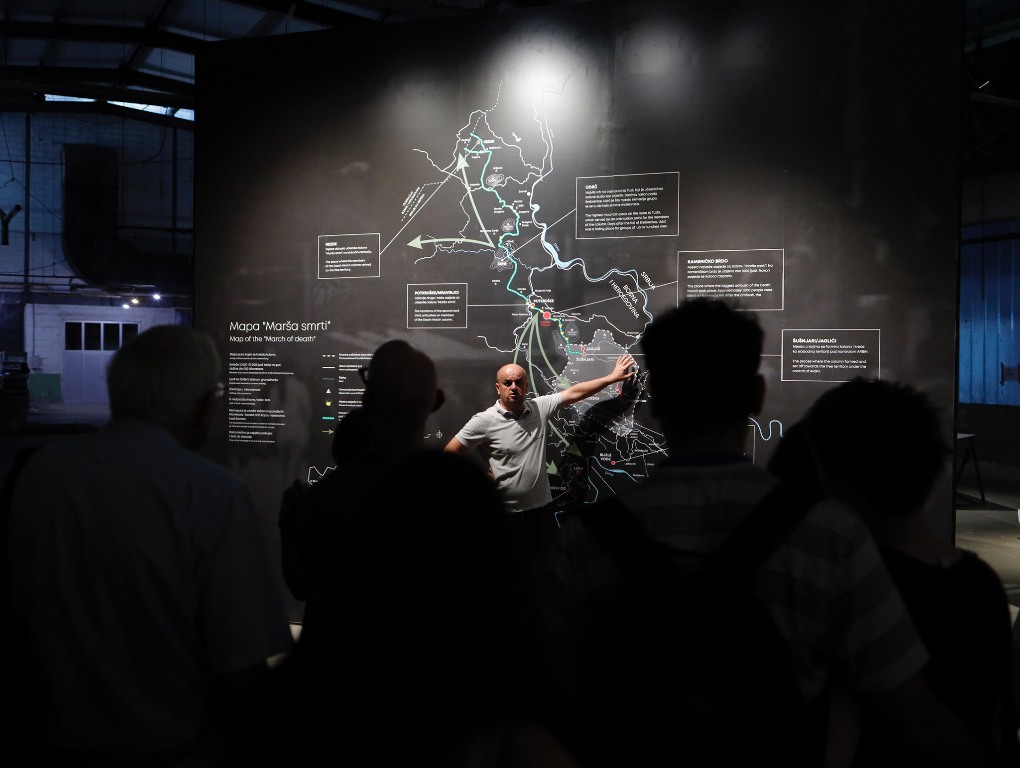
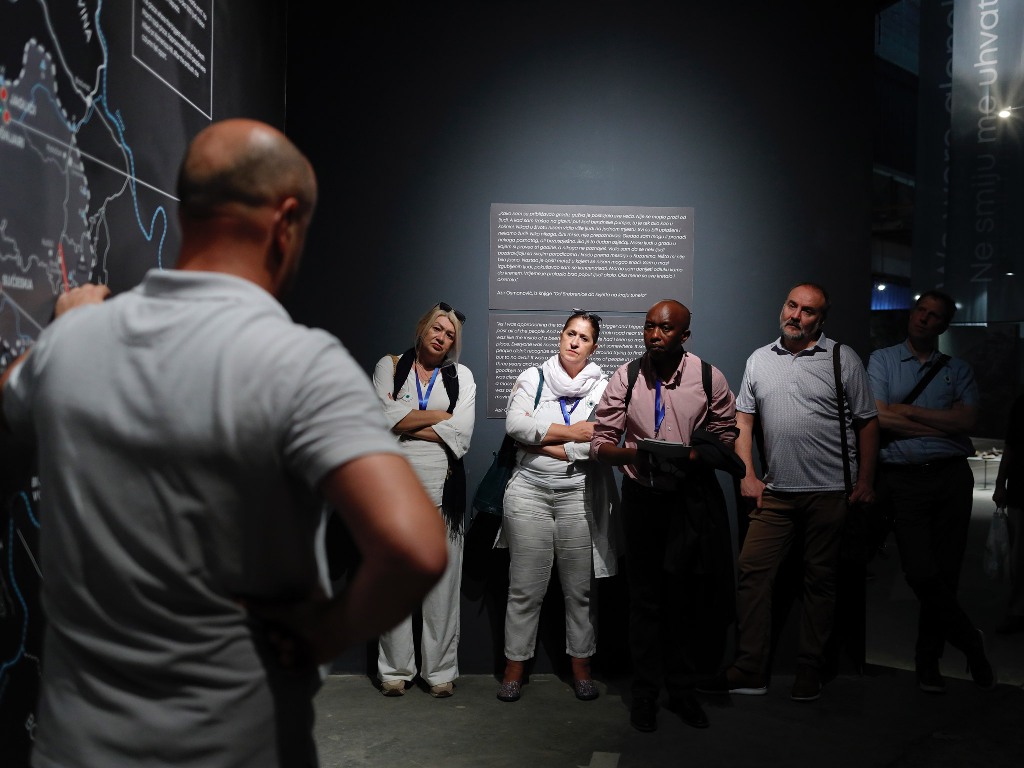
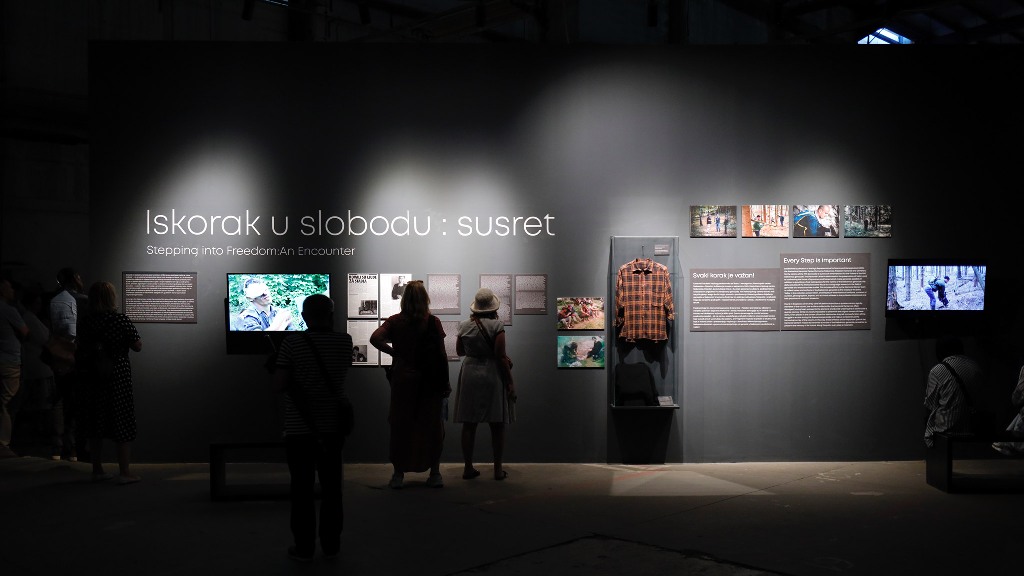
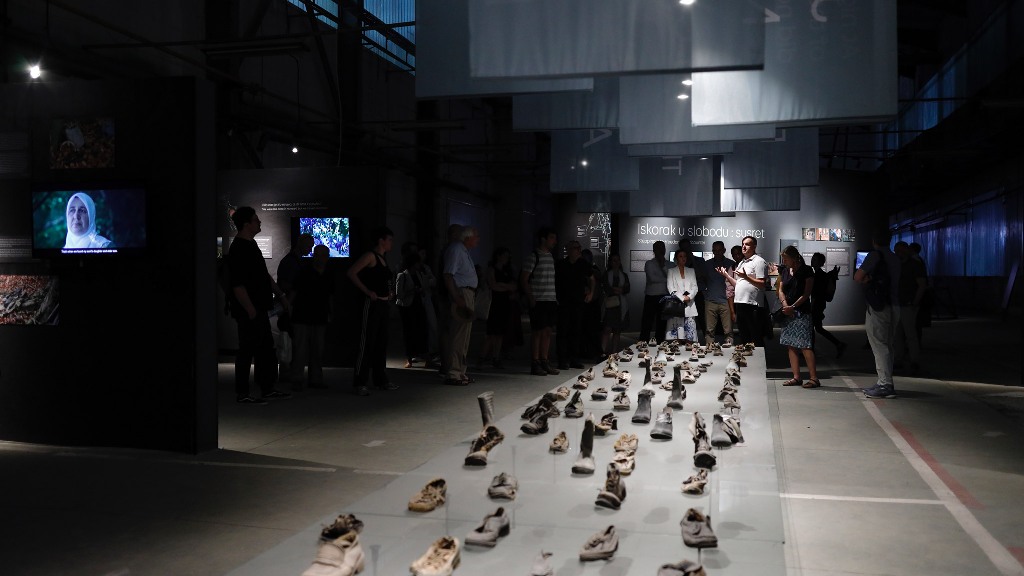
During the conference day, participants visited the Srebrenica Memorial Center and all the execution sites along the route to Potočari. Over 40 prominent scientists and researchers from 20 universities around the world had the opportunity to see firsthand the material evidence, objects, and areas where the genocide against Bosniaks in Srebrenica and its surroundings was carried out.
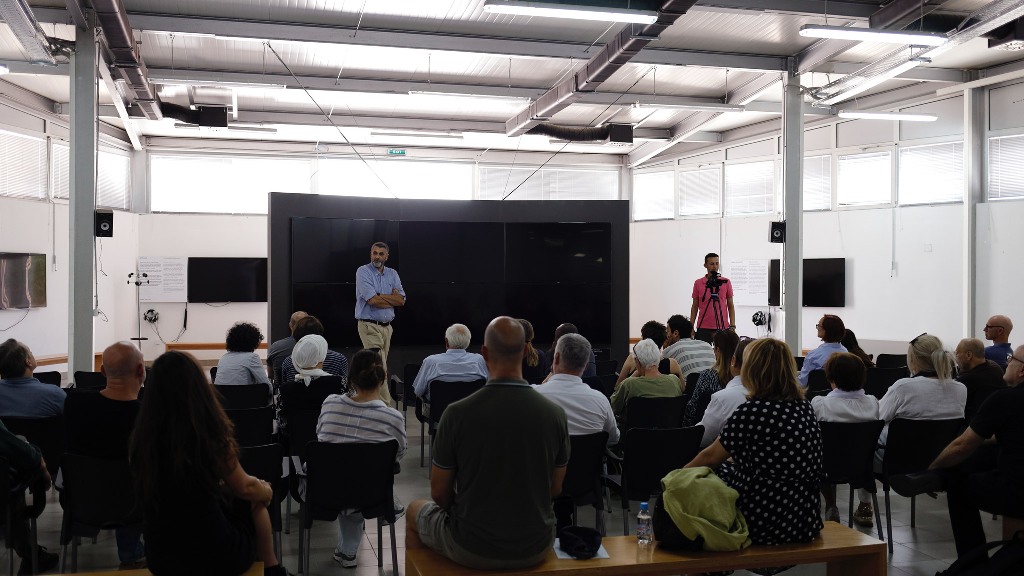
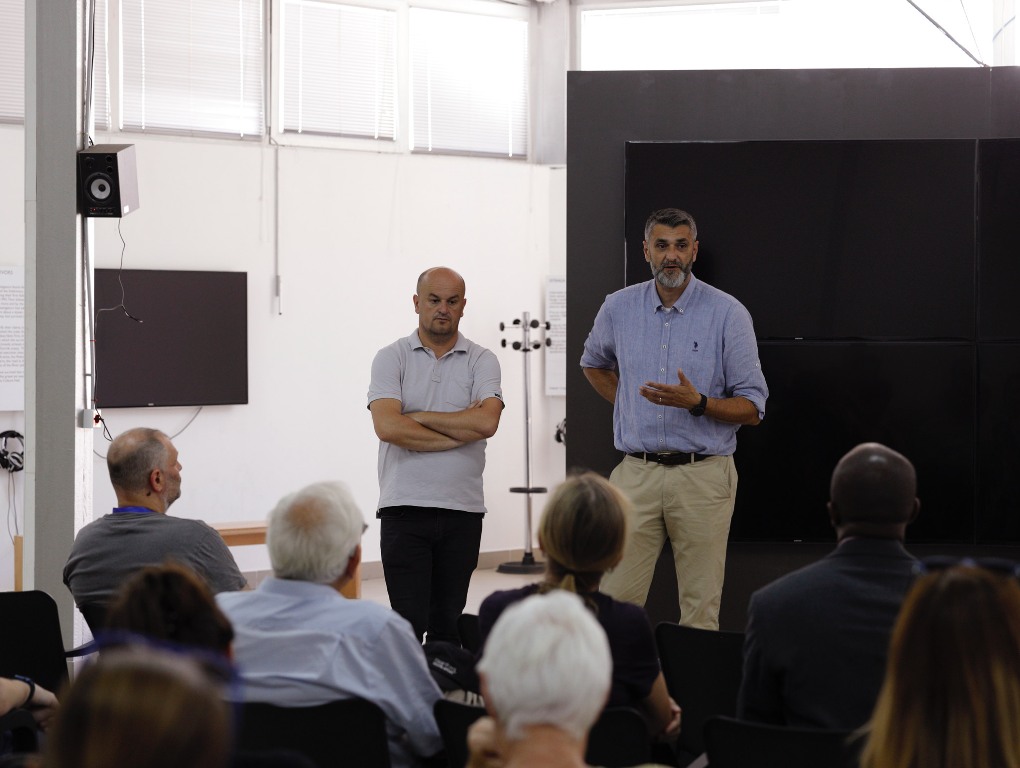
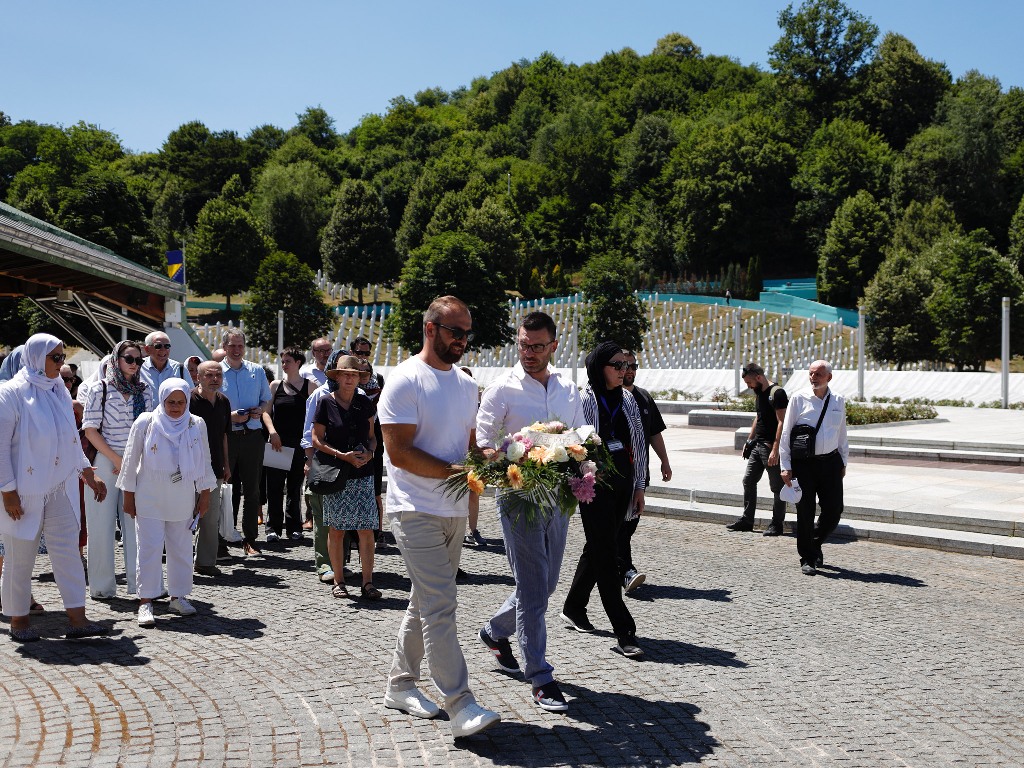
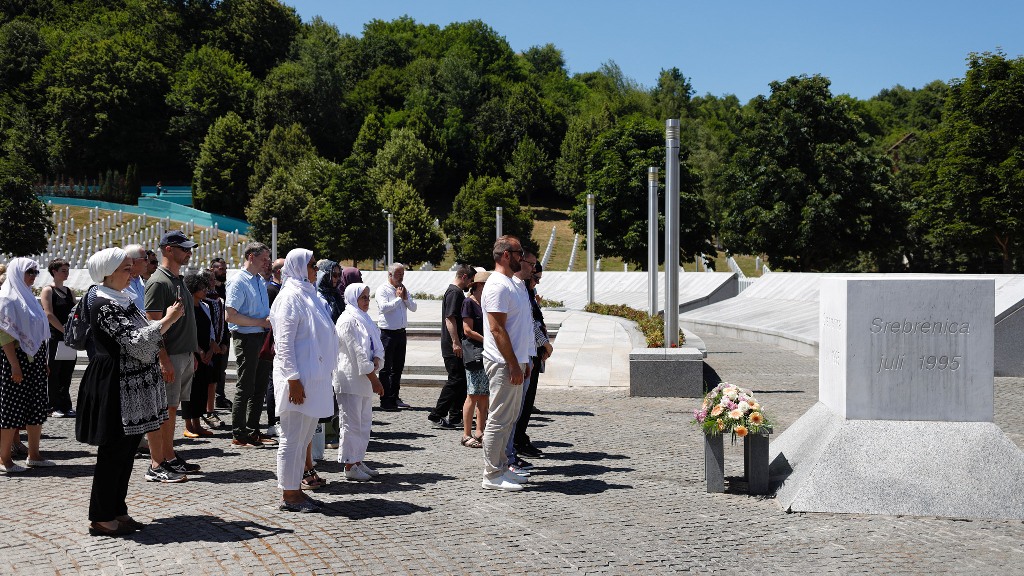
The tour began with a visit to the football field in Nova Kasaba, where over 1,300 men were captured, detained, and deported to a warehouse in Kravica, where they were ultimately murdered in the most brutal ways. Dr. Sc. Hikmet Karčić, a researcher at the Institute for the Investigation of Crimes Against Humanity and International Law at UNSA, provided an educational tour explaining the details of the persecution and suffering at these sites. Afterwards, a brief lecture was held at the Srebrenica Memorial Center, where director Dr. Emir Suljagić explained in detail the history of the memorial and what it represents as a monument of remembrance for the largest genocide in the world after World War II. The film “One Week in July” was also shown. Following the visit to the center, participants paid their respects to the victims of the Srebrenica genocide at the cemetery in Potočari.
“With this visit, we concluded this year's conference, aiming for these eminent scientists and professors from around the world to see firsthand how the organization, execution, and ultimately the attempt to conceal the genocide against Bosniaks in Srebrenica and nearby areas looked. This visit is extremely important because they will later share their experiences from Potočari through lectures and scientific papers with students worldwide, so that the truth is never forgotten,” emphasized Dr. Muamer Džananović, director of the Institute for the Investigation of Crimes Against Humanity and International Law at the University of Sarajevo.
The conference is part of a series of scientific and cultural-artistic programs called “Responsibility for the Future,” organized by the University of Sarajevo throughout the year to mark important dates in the history of Bosnia and Herzegovina — thirty years since the Srebrenica genocide and thirty years since the signing of the Dayton Peace Agreement.
More information available on the official website: 30godina.unsa.ba.
Photographs: Vanja Čerimagić