Genocide denial is a geopolitical weapon
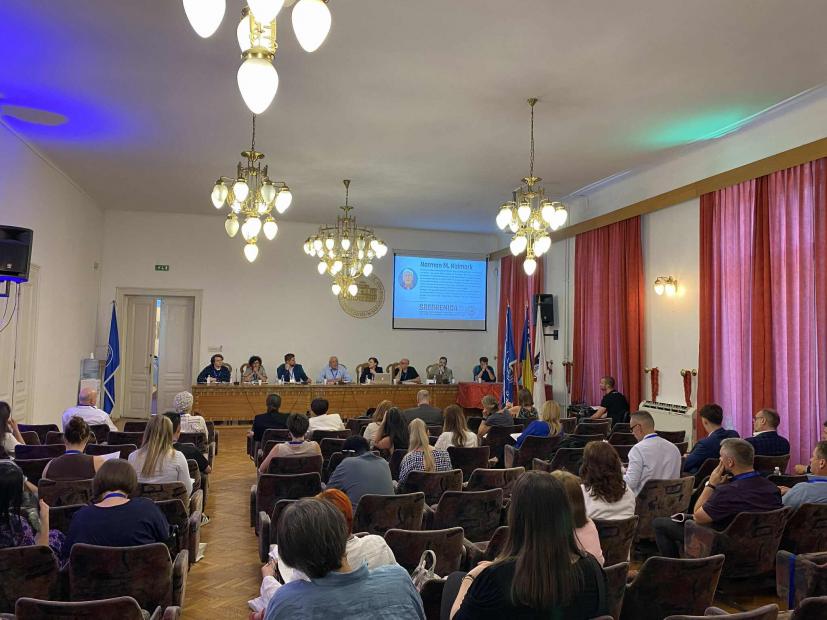


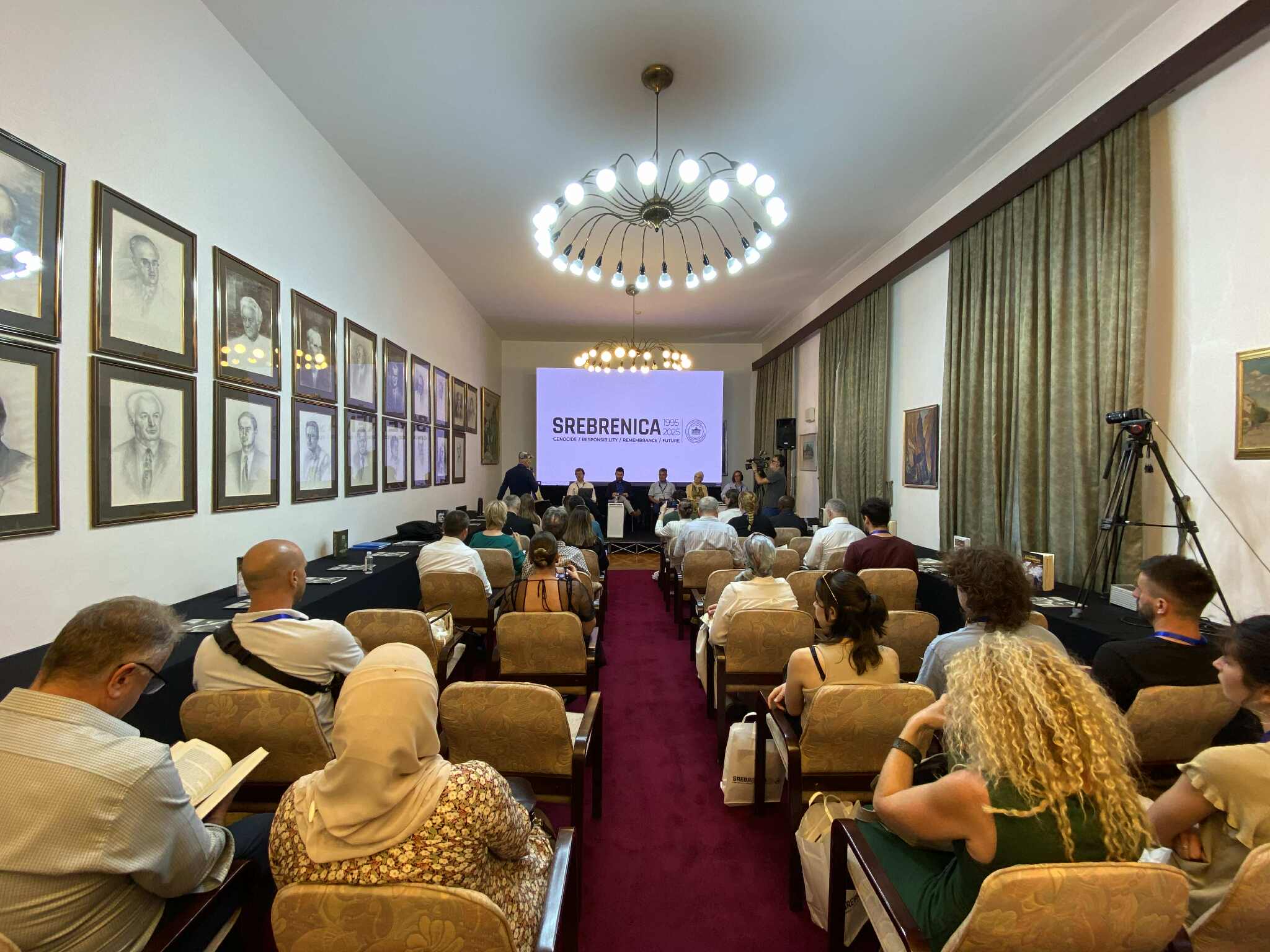
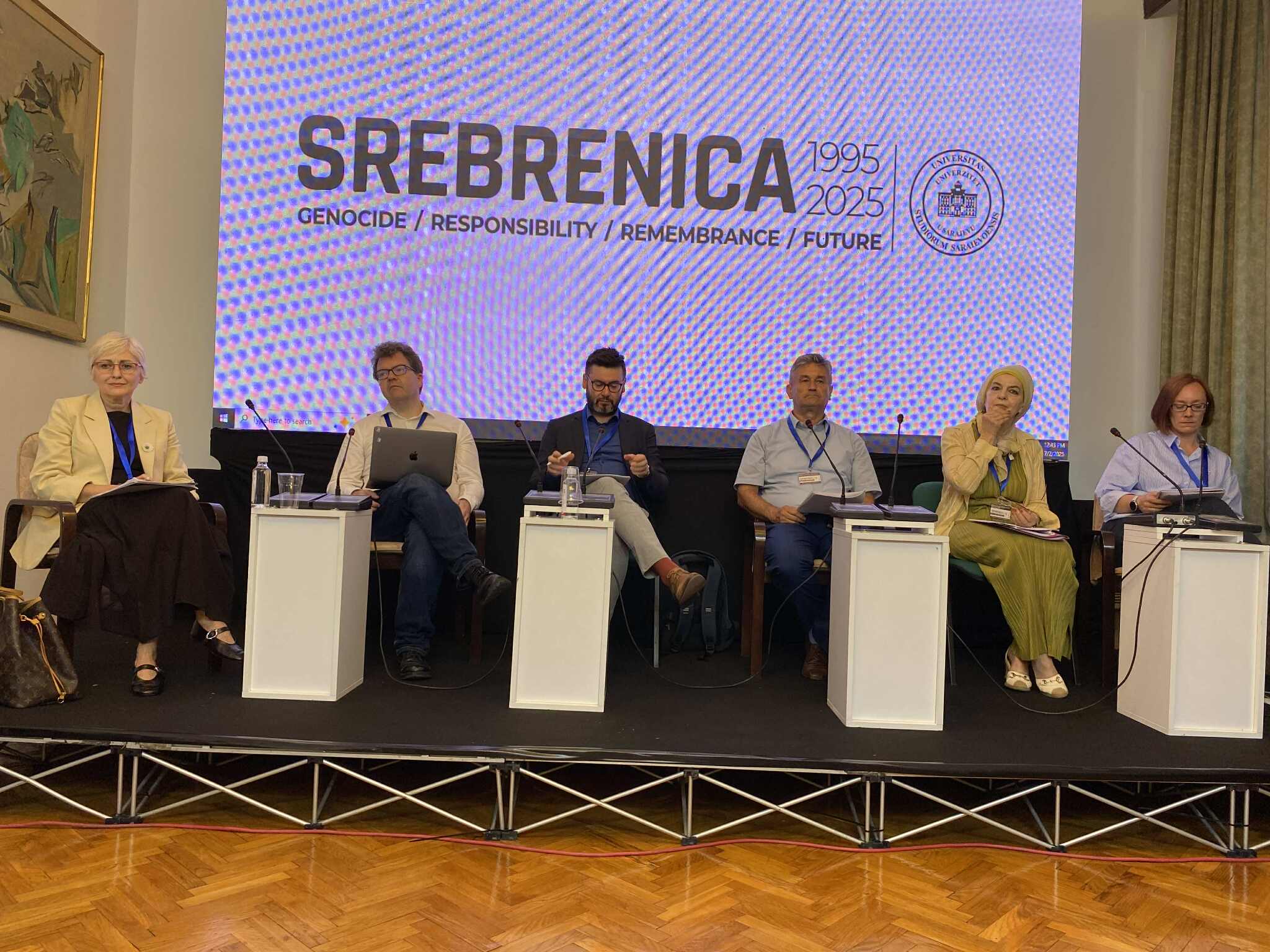
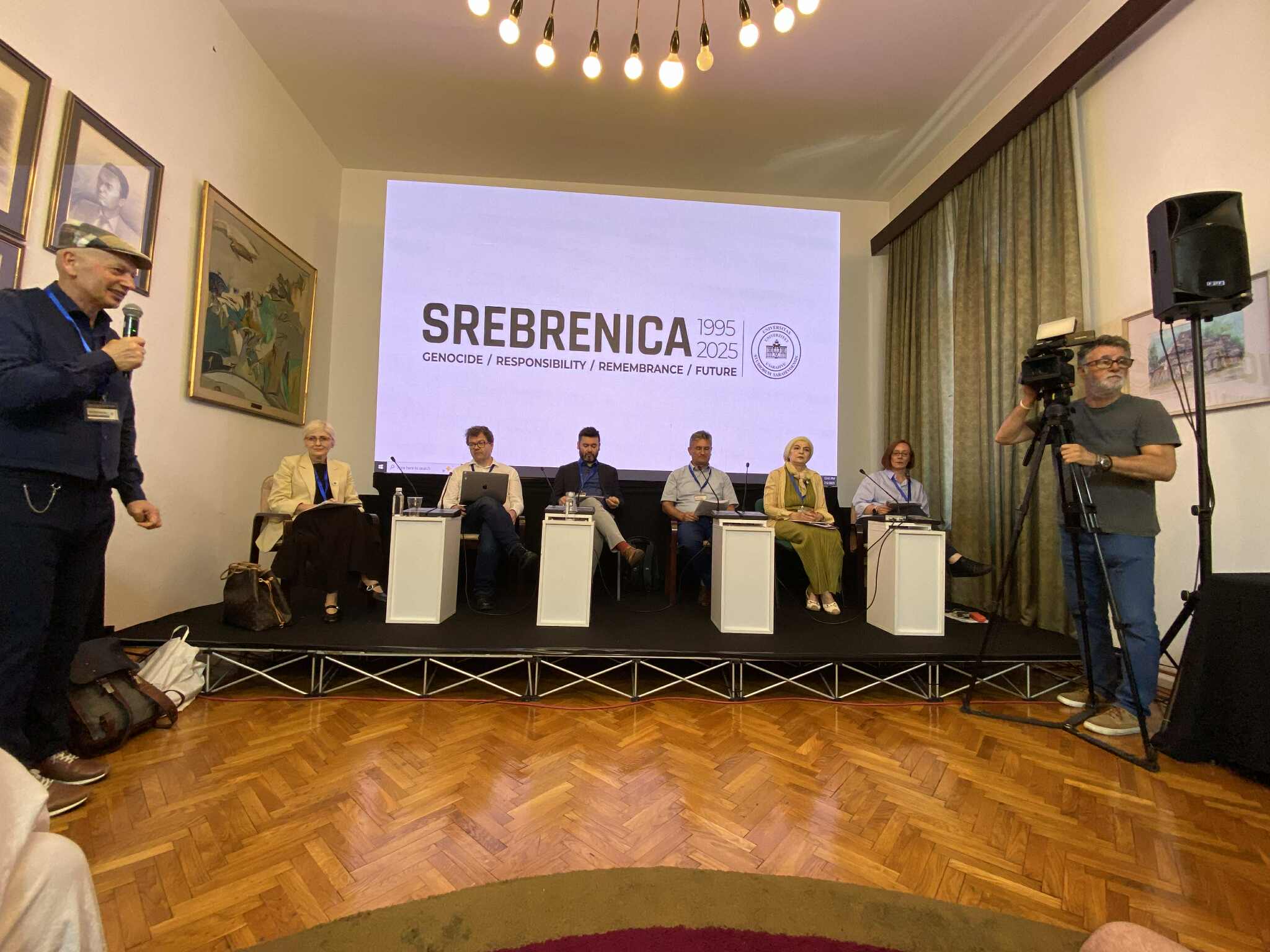
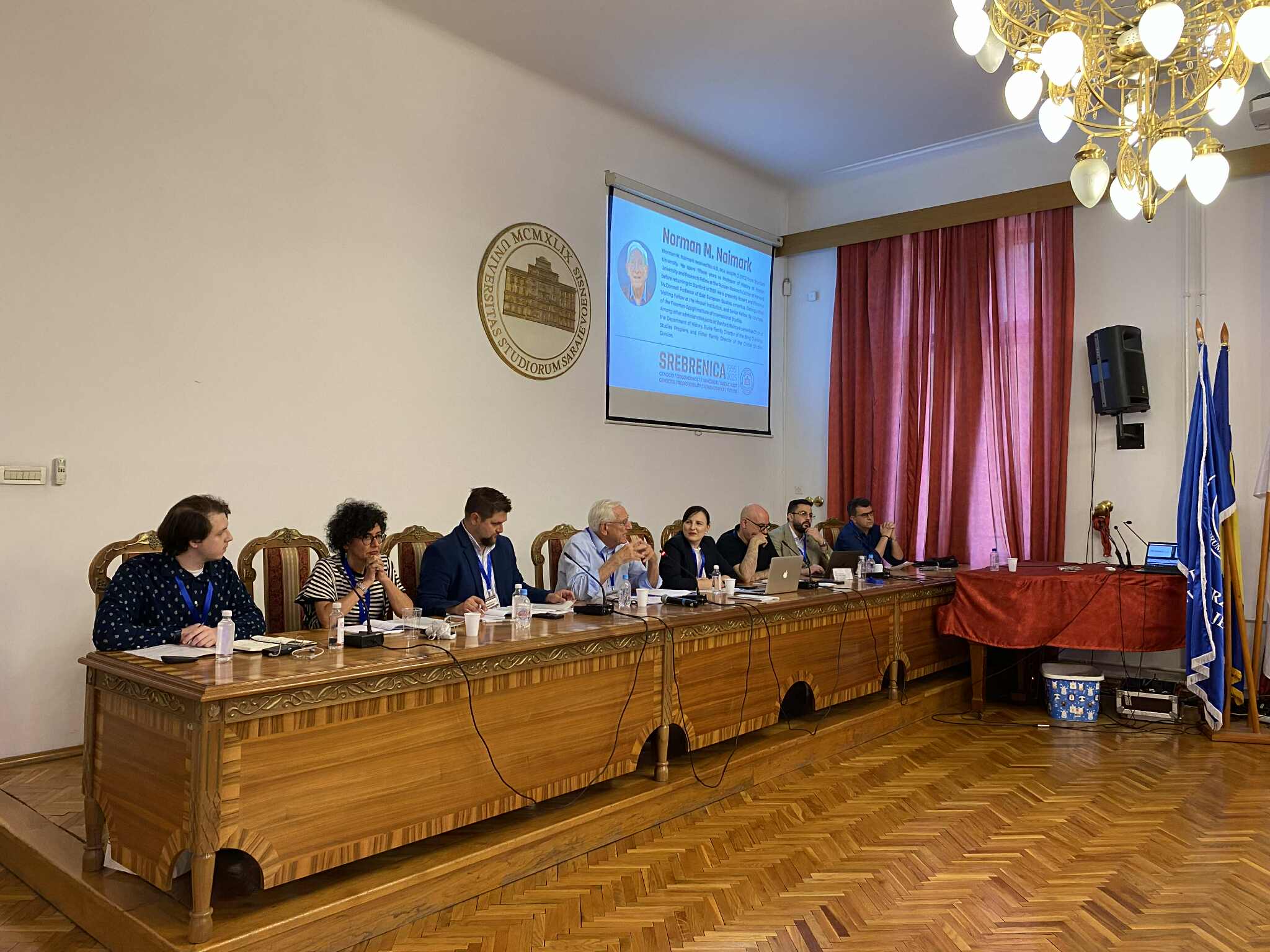
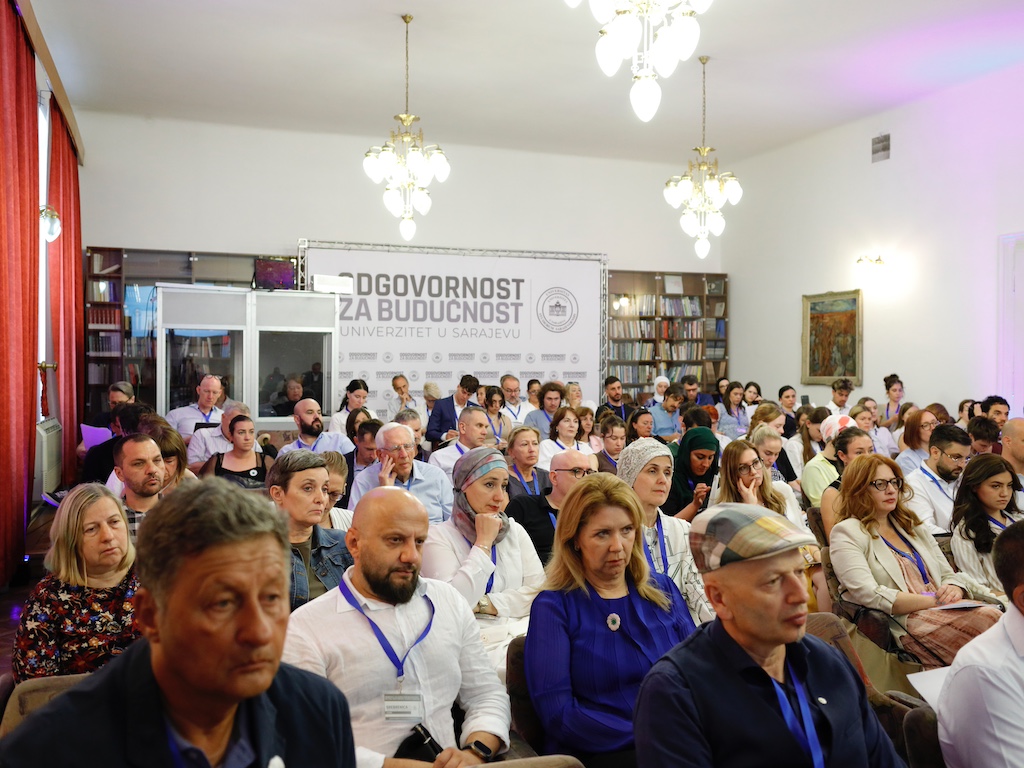
Following last night’s opening at the City Hall, today the international scientific conference “Srebrenica Thirty Years After the Genocide: Memory, Responsibility, and Challenges of Denial” continued in the premises of the University of Sarajevo’s Rectorate. The first panels discussed various aspects of genocide denial and its implications, memorialization, and international responsibility.
Henry Theriault (Worcester State University) emphasized the importance of recognizing the genocide in Srebrenica at a global level and highlighted how the international community must ensure that violence from the past does not recur in the present or future. Edina Bećirević (UNSA) pointed out that genocide denial in Bosnia and Herzegovina has never been just rhetoric or a “local” problem but an integral part of transnational authoritarian strategies. “It is quite clear that this is a broader global pattern: genocide denial is a geopolitical weapon,” stated Prof. Bećirević.
Benjamin Valentino (Dartmouth College), speaking about lessons from Srebrenica, emphasized that the world has learned that protecting large civilian populations from determined perpetrators requires readiness to pay a high price, “something that the international community still finds difficult to accept.” In the context of international responsibility, Dirk Moses (The City College of New York) noted that for Bosnian and Dutch survivors, as well as for veterans of the Dutchbat involved in the UN peacekeeping mission, one thing is very clear: the genocide in Srebrenica is part of the shared Bosnian-Dutch history. “However, thirty years later, Dutch political responsibility is absent. I believe that ‘bureaucratized racism’ is the fundamental reason for both—the failure to protect Srebrenica then and the failure to achieve a transformative acknowledgment now,” concluded Moses.
Hikmet Karčić (UNSA) offered a reflection on the UN General Assembly resolution as a symbolic and political instrument in preserving collective memory of the genocide committed in Srebrenica in July 1995. Hariz Halilovich (RMIT) addressed testimonial literature—books written by witnesses and survivors of the genocide in Srebrenica—and especially highlighted the heterogeneity and literary and historical value of this increasingly numerous literary corpus.
Norman Naimark (Stanford University) presented aspects of changes in thinking about the genocide in Srebrenica since attending the commemoration in 2005. “Compared to twenty years ago, denial of genocide is significantly more present, with increasing politicization and various forms of denial,” Naimark emphasized.
Although the International Criminal Tribunal for the former Yugoslavia (ICTY) set important legal precedents, its response to sexual violence during the war was both a historic turning point and a serious failure. As Ehlimana Memišević (UNSA) reports, despite reports of over 20,000 rapes, only 32 convictions have been issued, indicating a serious lack of legal accountability. Emil Kerenji (US Holocaust Memorial Museum) pointed out that genocidal mass killings are the culmination of a long historical process best understood through the analysis of elimination rhetoric. Analyzing past and current legal frameworks, Onur Uraz (Hacettepe University) assesses whether the international legal system has developed more effective mechanisms for addressing state responsibility for genocide or continues to face the same structural and evidentiary obstacles.
Discussing the political circumstances surrounding the adoption of the UN Resolution on the Srebrenica genocide, Rosa Aloisi & Jayden Salter (Trinity University) highlight that resistance to commemoration—including the destruction, reconstruction, and reinterpretation of memorial sites, as well as inflammatory rhetoric directed against institutionalizing remembrance—confirms the power of memorials, especially those reflecting the legal truth established before the International Criminal Tribunal for the former Yugoslavia (ICTY).
Jasmin Medić (UNSA) analyzed confessions of guilt by convicted war criminals (Erdemović, Obrenović, Nikolić, Krstić, etc.) and presented research results on the following questions: Were these confessions expressions of sincere remorse, or just a way to avoid harsher sentences? How did these confessions influence facing the past in the RS entity, and what is their significance in the fight against revisionism and genocide denial? “In my analysis, I found that the mentioned perpetrators were not genuinely remorseful for their crimes and that some reached plea agreements only to avoid being convicted of genocide,” concluded Medić.