Regional Implications of Dayton: From Peace Agreement to Geopolitical Legacy


BELGRADE AND SARAJEVO DIALOGUE, REPLACED BY BELGRADE'S DIALOGUE WITH BANJA LUKA, ZAGREB, ANKARA, BRUSSELS, AND WASHINGTON
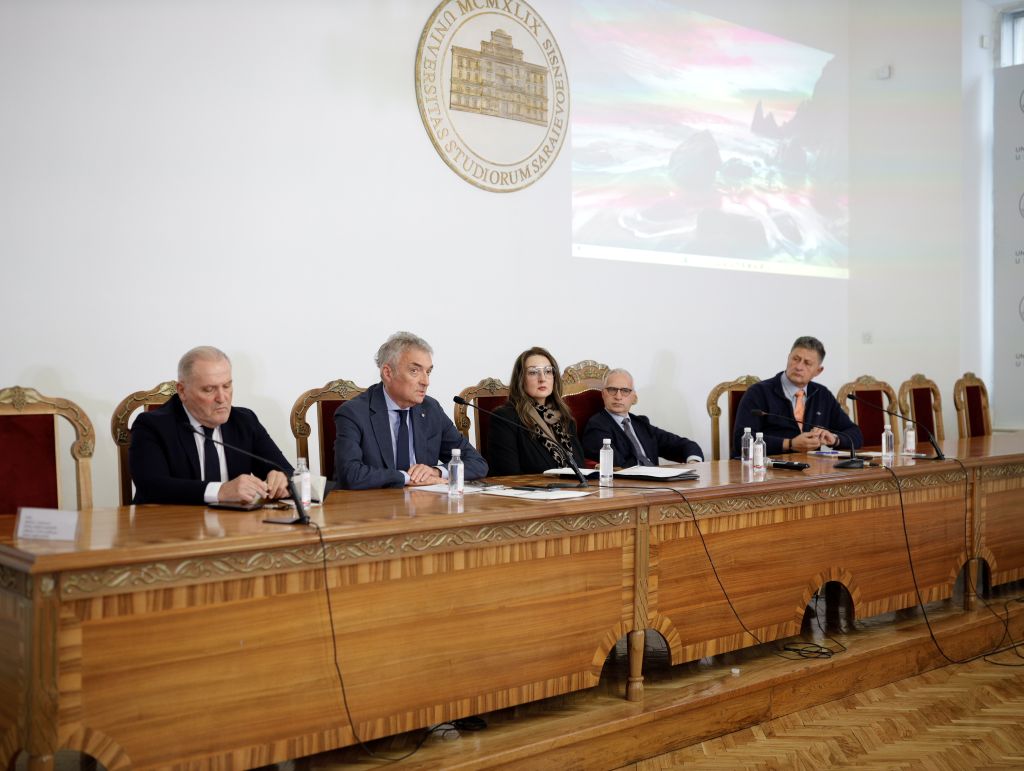
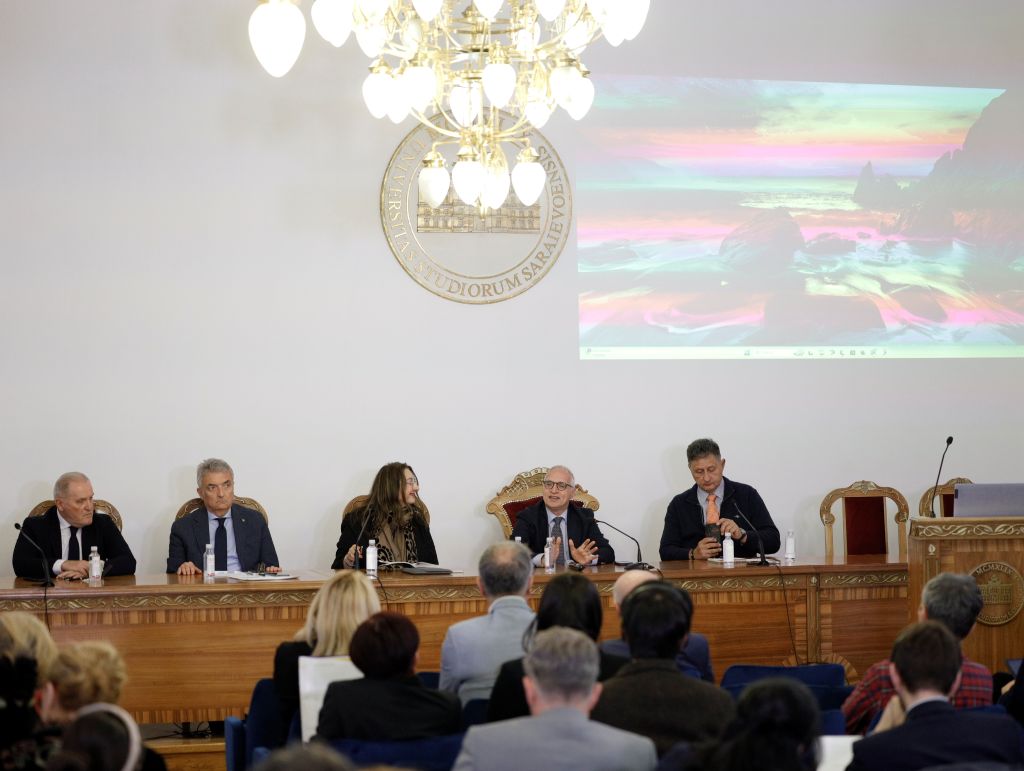
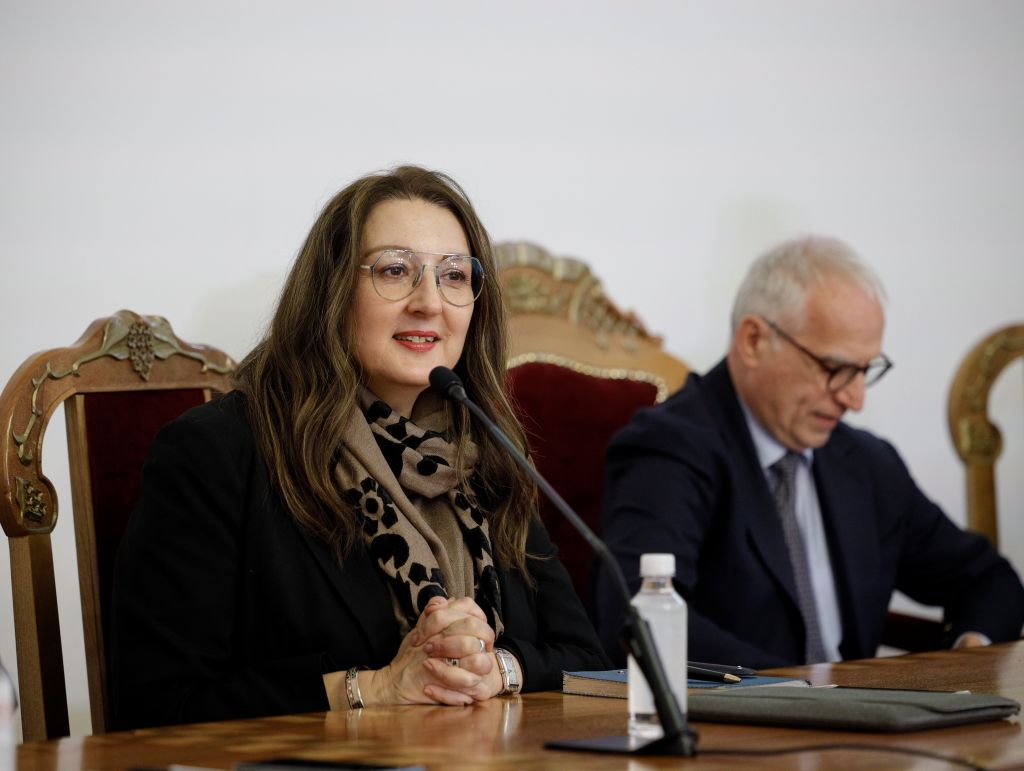
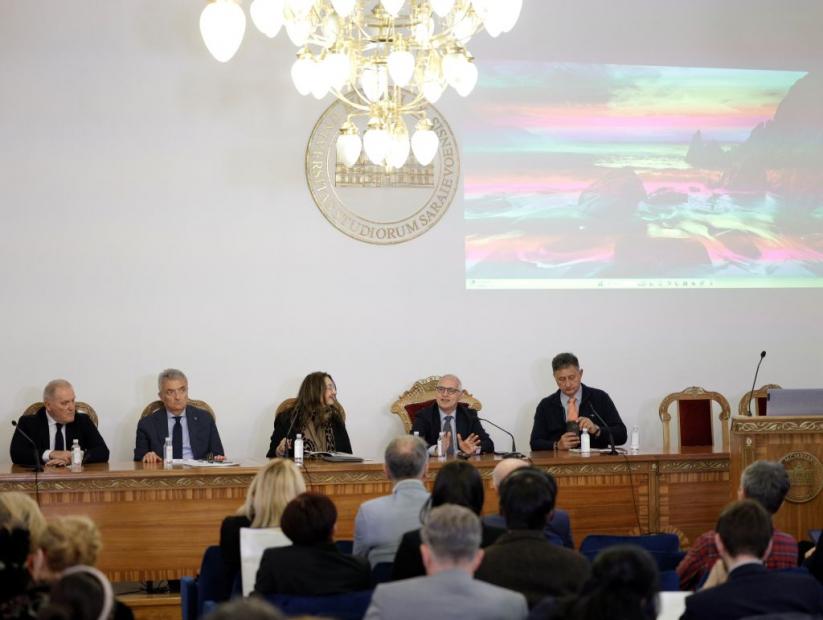
(Sarajevo, 22 November 2025) Continuing the University of Sarajevo’s conference “30 Years After Dayton: Myths, Realities, and New Visions for Bosnia and Herzegovina,” the plenary panel “Regional Implications of Dayton: From Peace Agreement to Geopolitical Legacy” offered reflections from regional politicians, former diplomats, and foreign ministers of neighboring countries on the implications of the Dayton Peace Agreement for regional relations.
Goran Svilanović, former Minister of Foreign Affairs of FR Yugoslavia/Serbia and Montenegro, reminded that with the ratification of the Dayton Peace Agreement in Parliament, as well as the signing of agreements on special and parallel ties with RS, Serbia announced in the early 2000s the very high importance of all provisions of the agreement—not only for bilateral relations with BiH but also for its overall regional policy and foreign policy position. According to him, the attitude toward BiH and its entities has thus become one of the longest-standing orientations of Serbia’s foreign and domestic policy over the past 25 years. No government in Belgrade has questioned its importance, and there are not many differences among them regarding BiH. Serbia’s position was further influenced by the issue of resolving Kosovo’s status, with Belgrade drawing parallels between the two processes over the years. “The attitude toward the Dayton Agreement and BiH has become a significant factor in Serbia’s relations with Croatia and Turkey. Throughout this time, there has been a lack of dialogue between Belgrade and Sarajevo; it has been replaced by dialogue between Belgrade and Banja Luka, Zagreb, Ankara, Brussels, and Washington,” concluded Svilanović.
Miodrag Vlahović, former Minister of Foreign Affairs of Montenegro, emphasized that the absolutization of the ethnic principle hampers the success and progress of BiH, as such a principle undermines the democratic system, and the state is doomed to struggle with itself to function. “Dayton is a thing of the past, but we live in a time when ideas that BiH should abandon ethnocracy and insist on secularity are viewed with suspicion, while others fight for particular interests and are regarded as political realists,” Vlahović stated.
Veton Surroi, journalist and activist, discussed the topic “Dayton and Kosovo: The End of War Without the Beginning of Peace.” “Thirty years after Dayton, regional security in the Western Balkans still depends on a peace model that halted the war but did not create conditions for sustainable peace. From Kosovo’s perspective, Dayton defined an order in which peace became a function of ethnic balance rather than political equality. Such a framework froze conflicts and opened space for new forms of instability, including unresolved relations between Serbia and Kosovo,” Surroi pointed out. In his speech, he further examined how the Dayton model—based on territorial ethnification and external tutelage—still shapes the security architecture of the region. Special attention was given to the question: Is it possible to build a new vision of regional security in which Kosovo, Bosnia and Herzegovina, and Serbia are subjects rather than objects of the international order?