International Scientific Conference “Srebrenica 30 Years After the Genocide: Remembrance, Responsibility, and Challenges of Denial” Opened in the City Hall


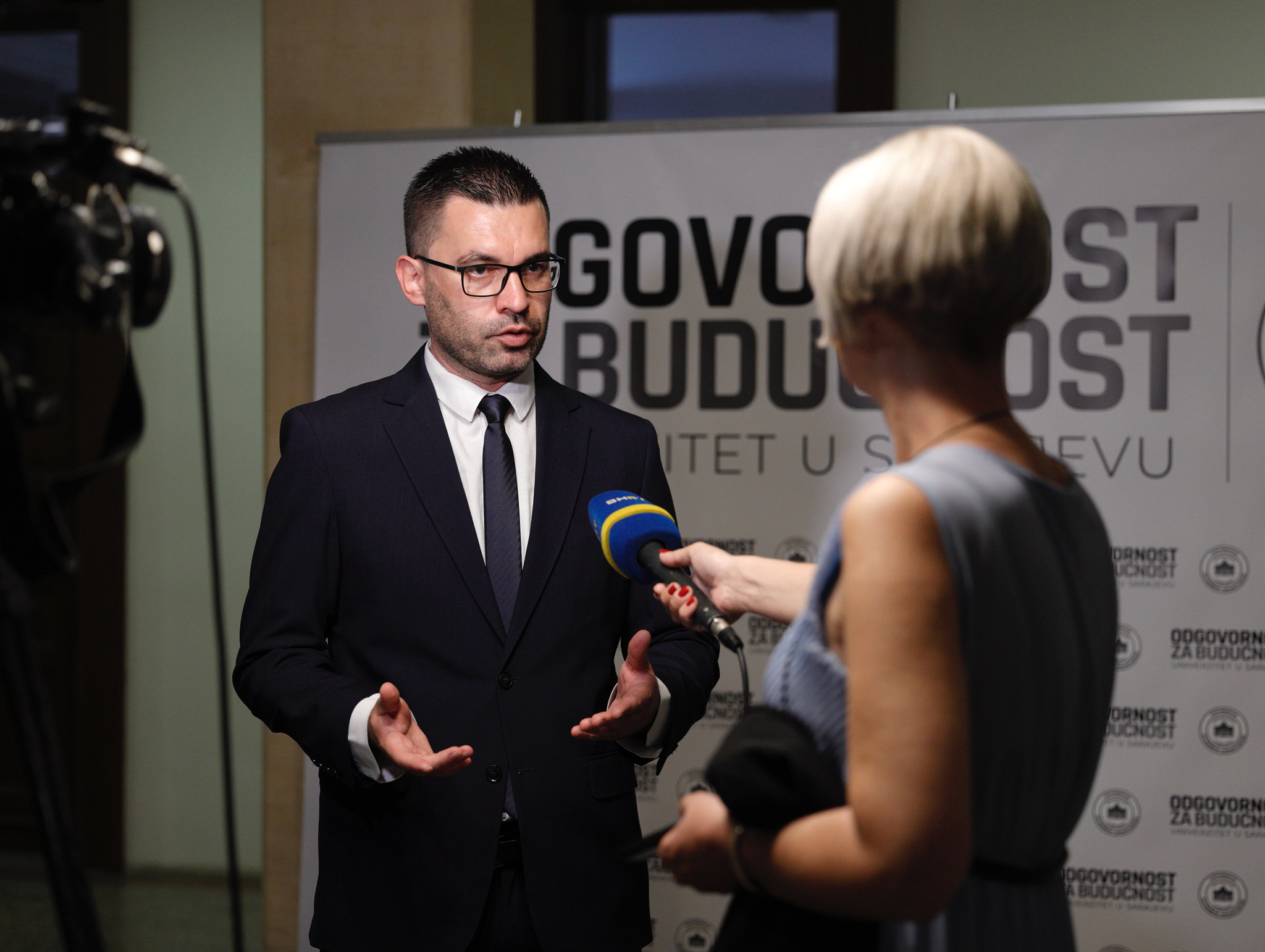
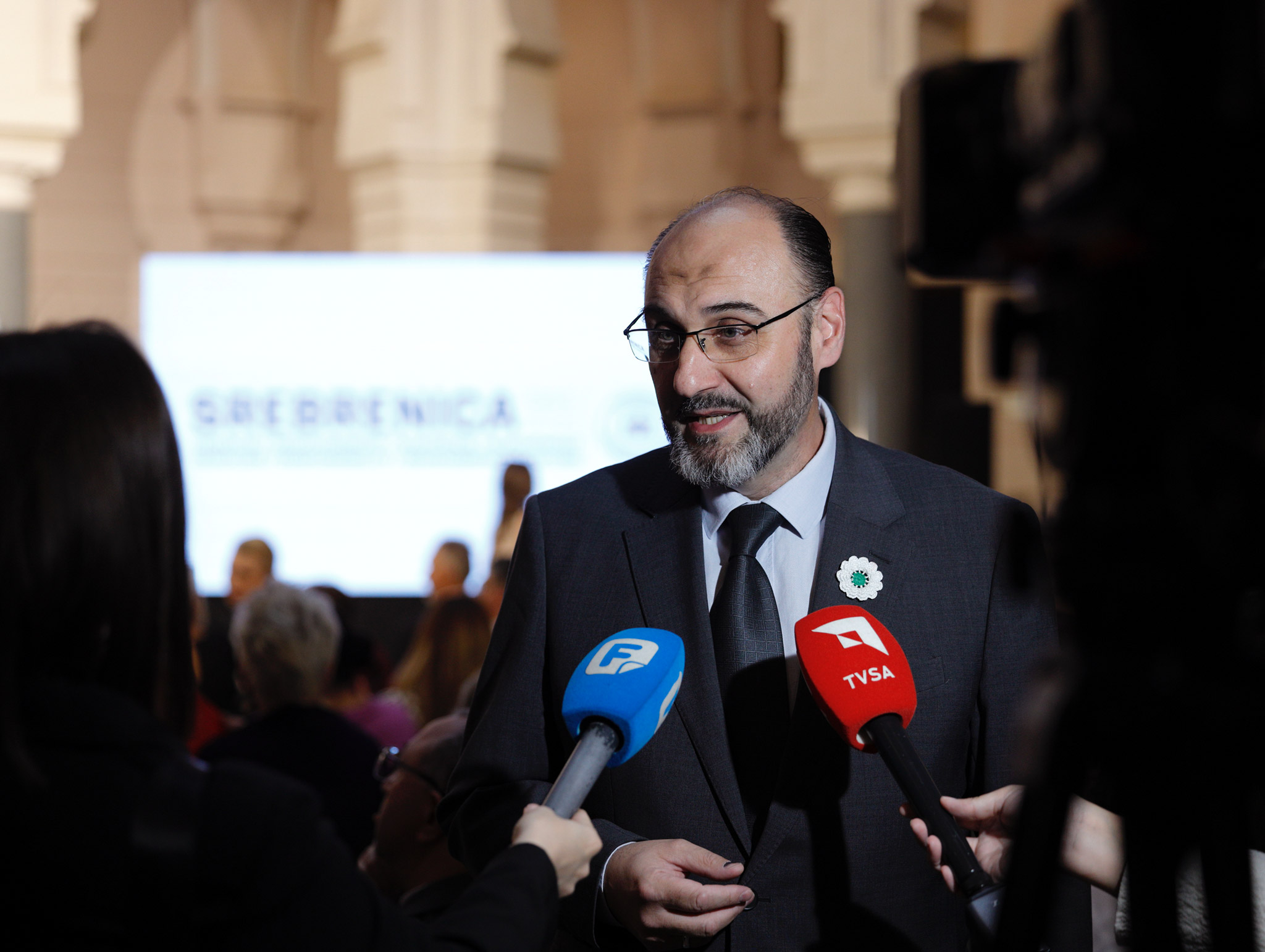
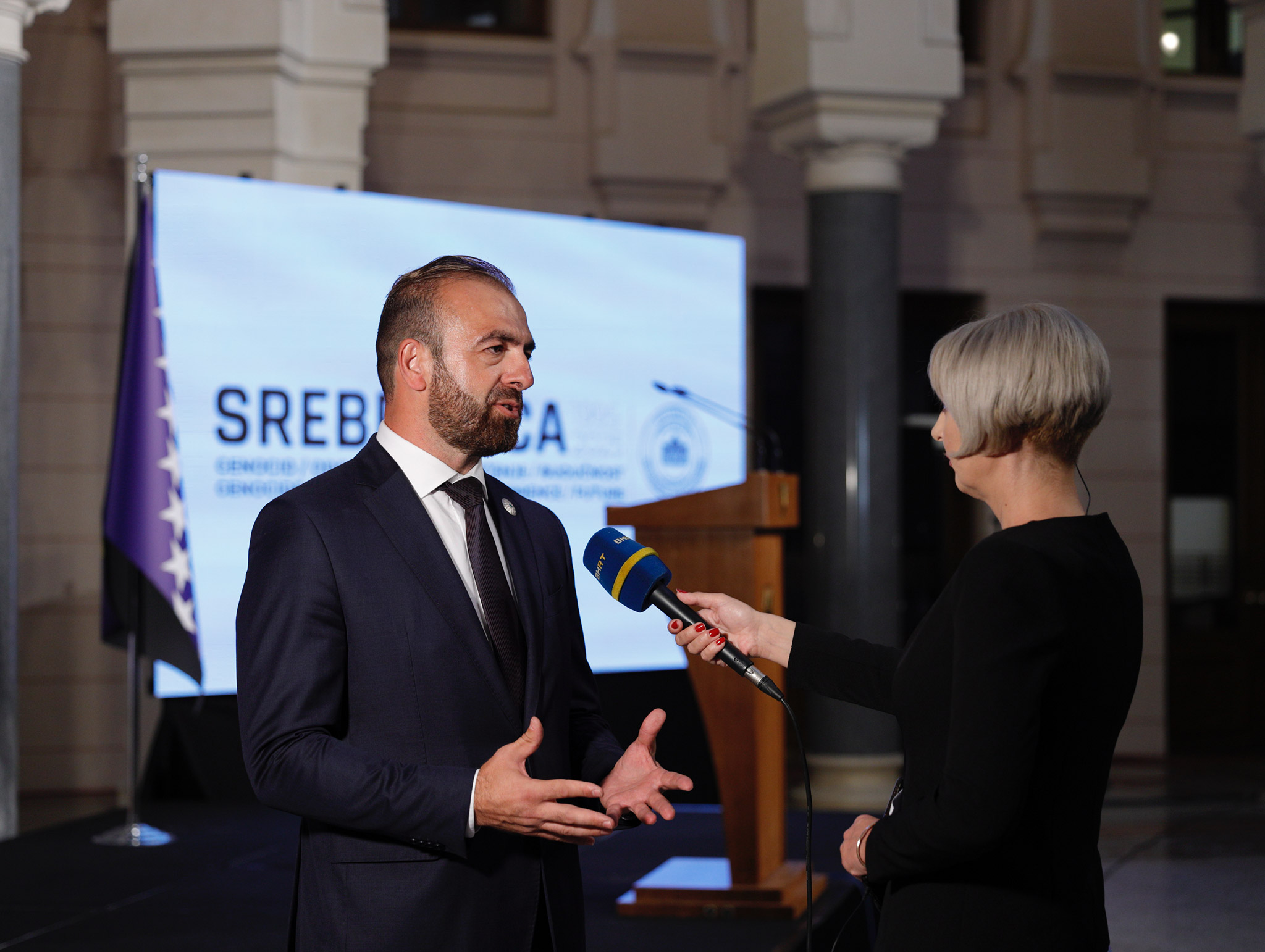
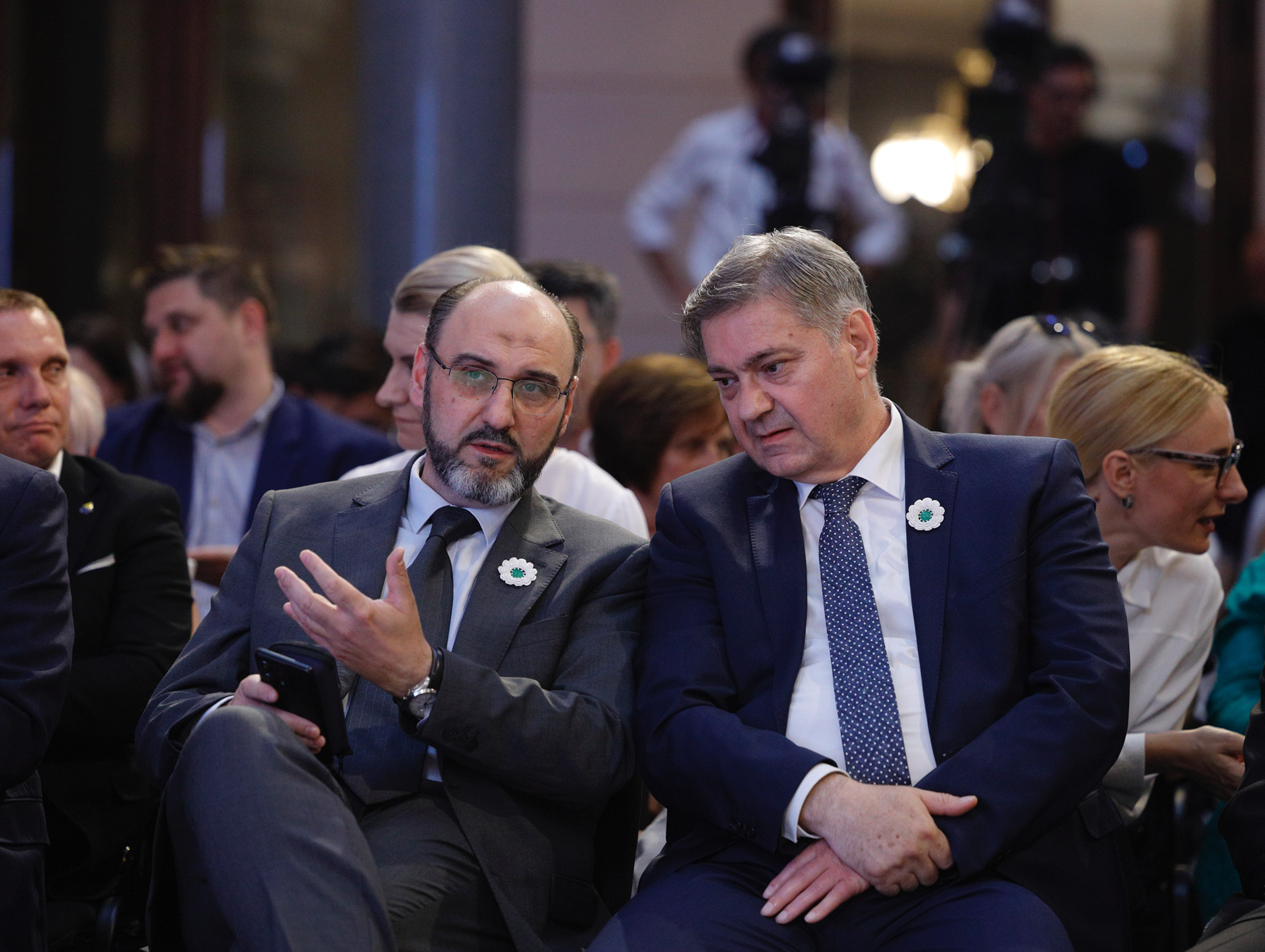
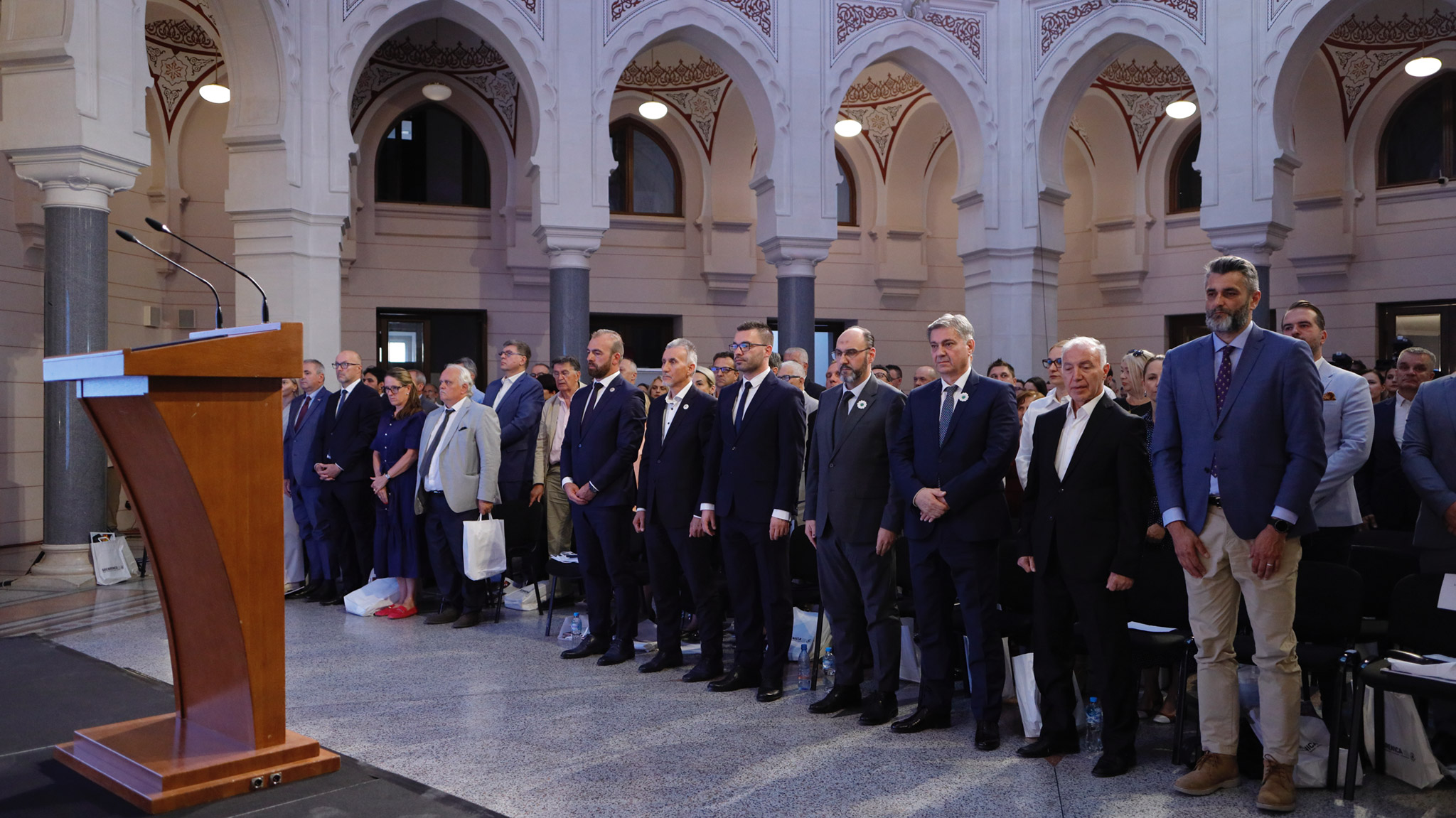
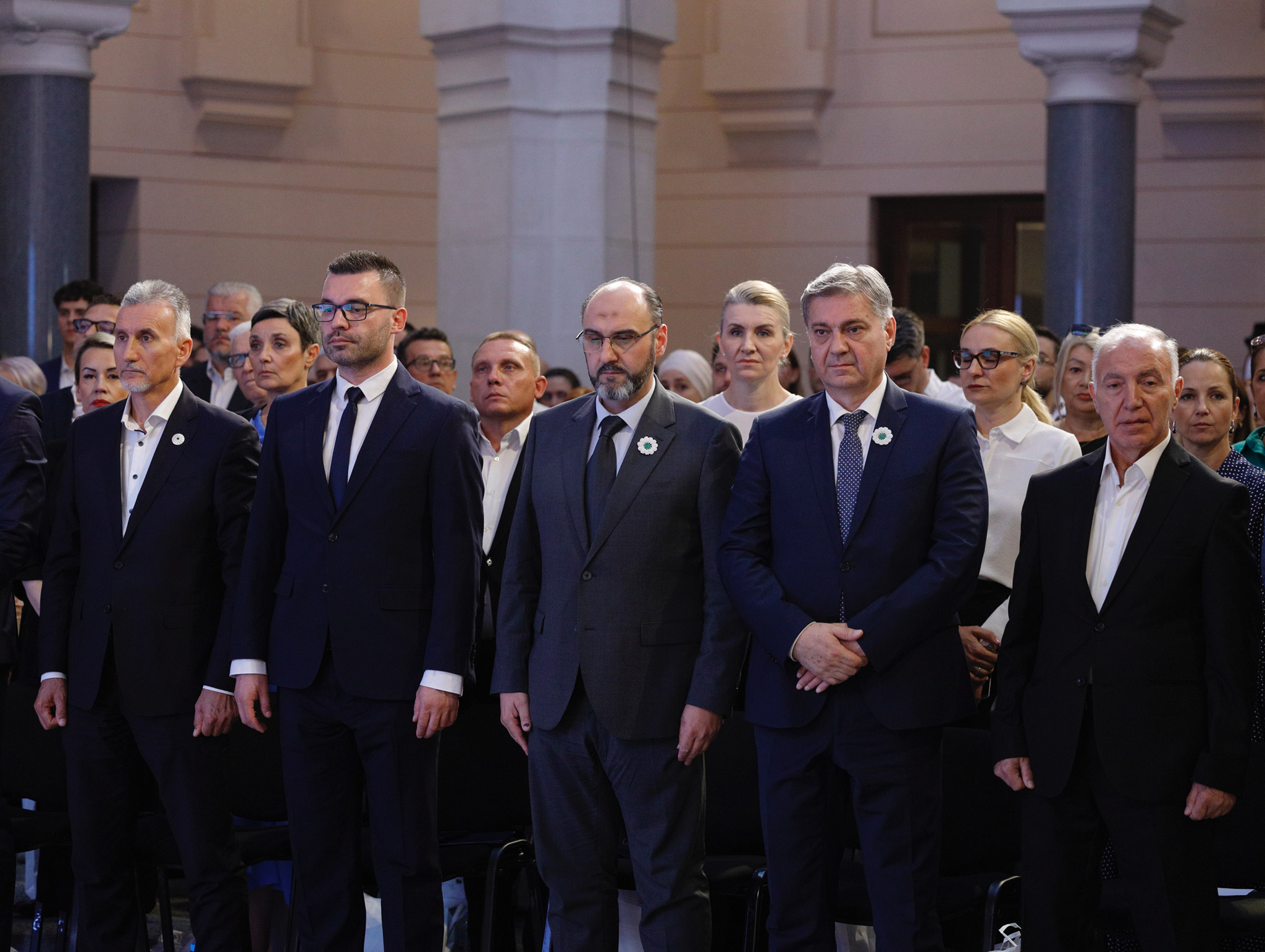
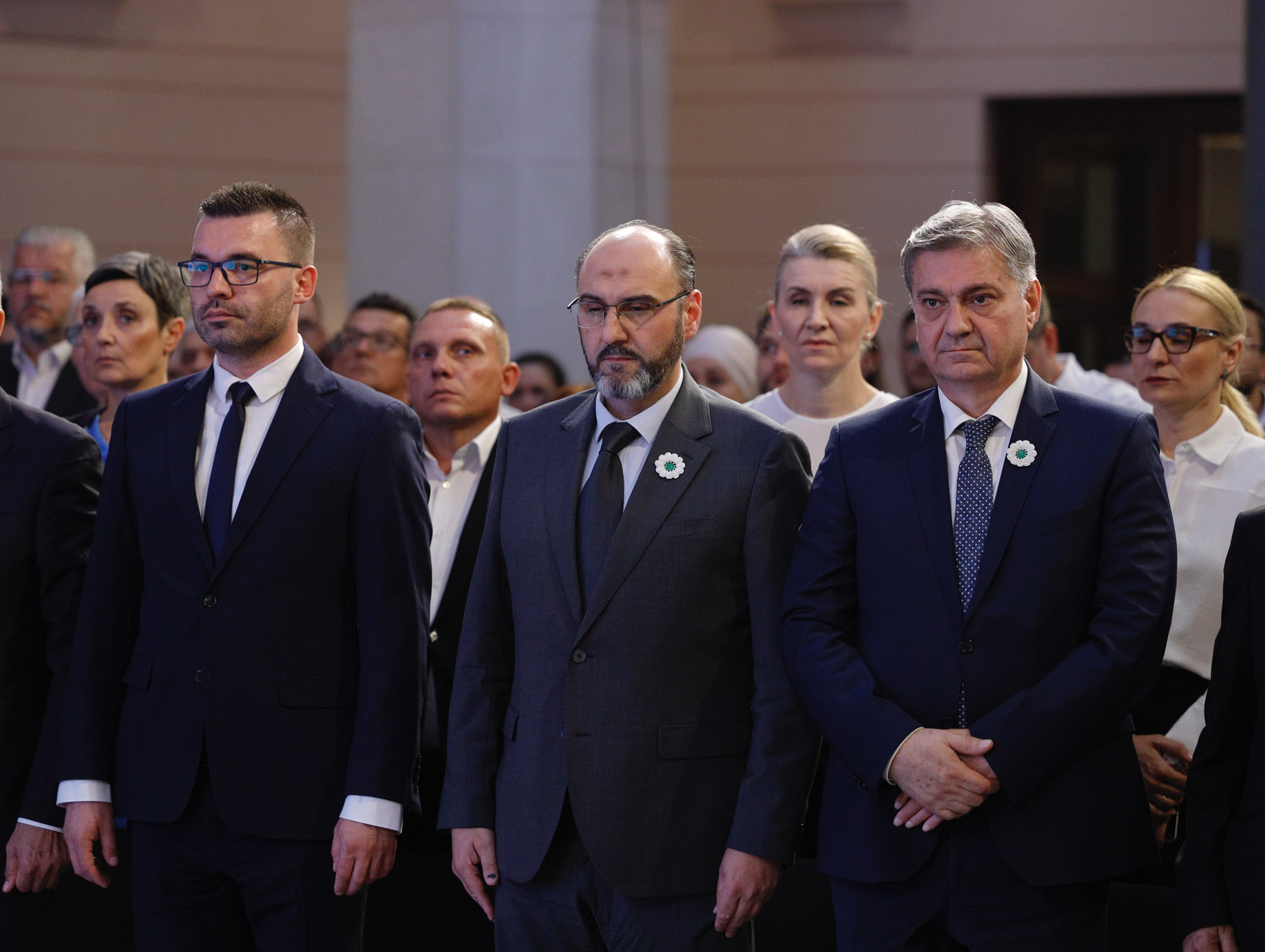
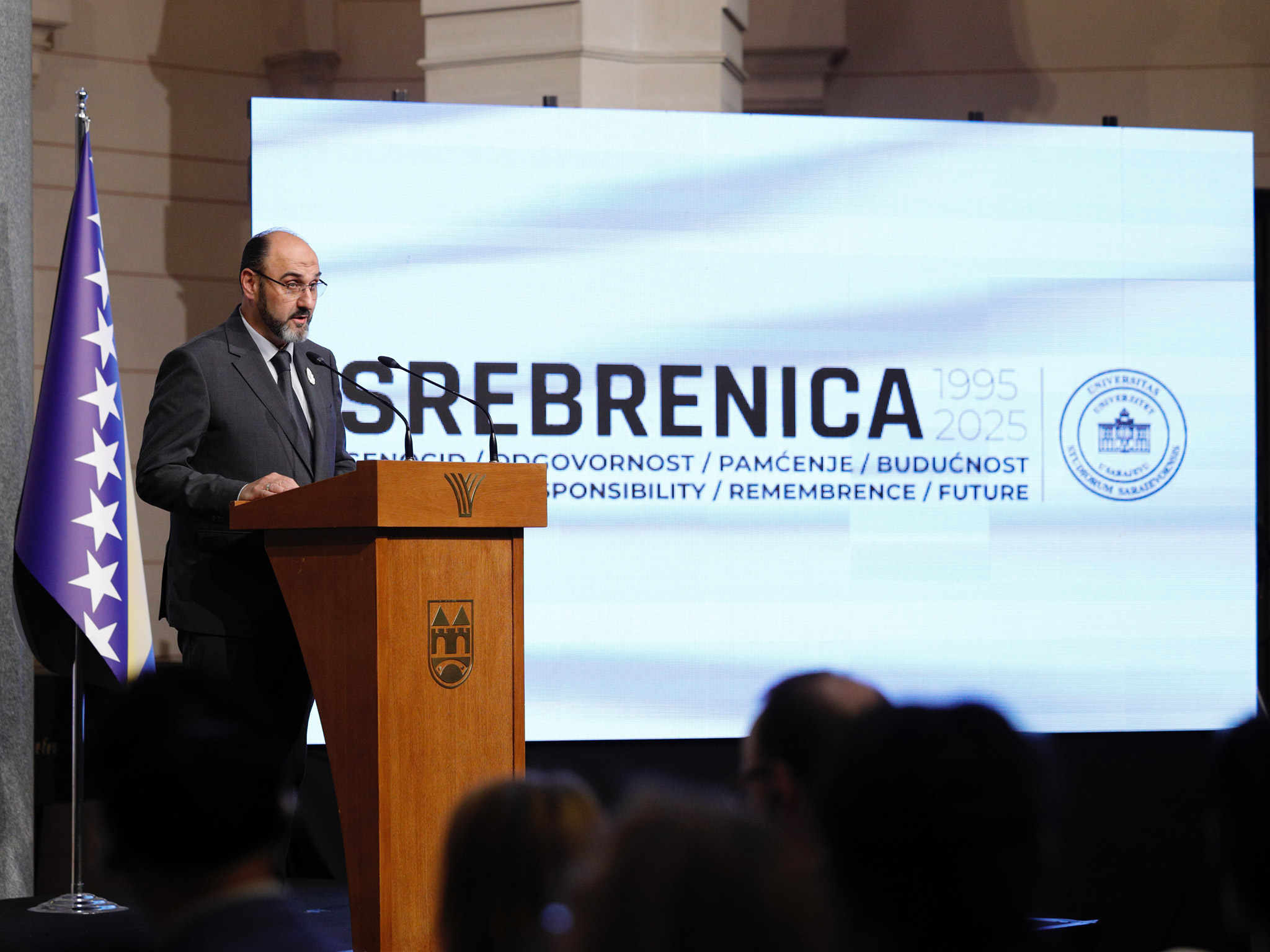
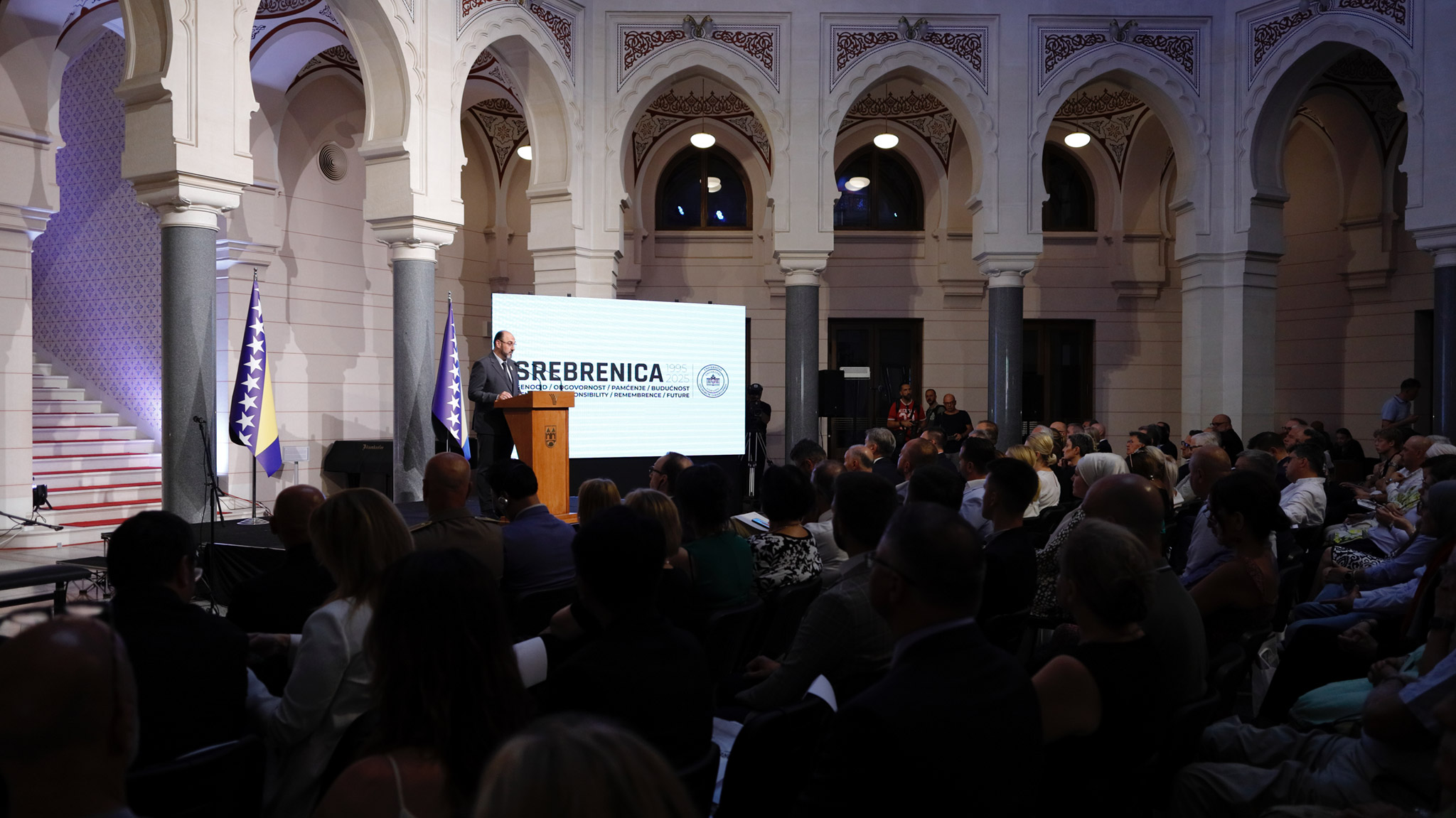
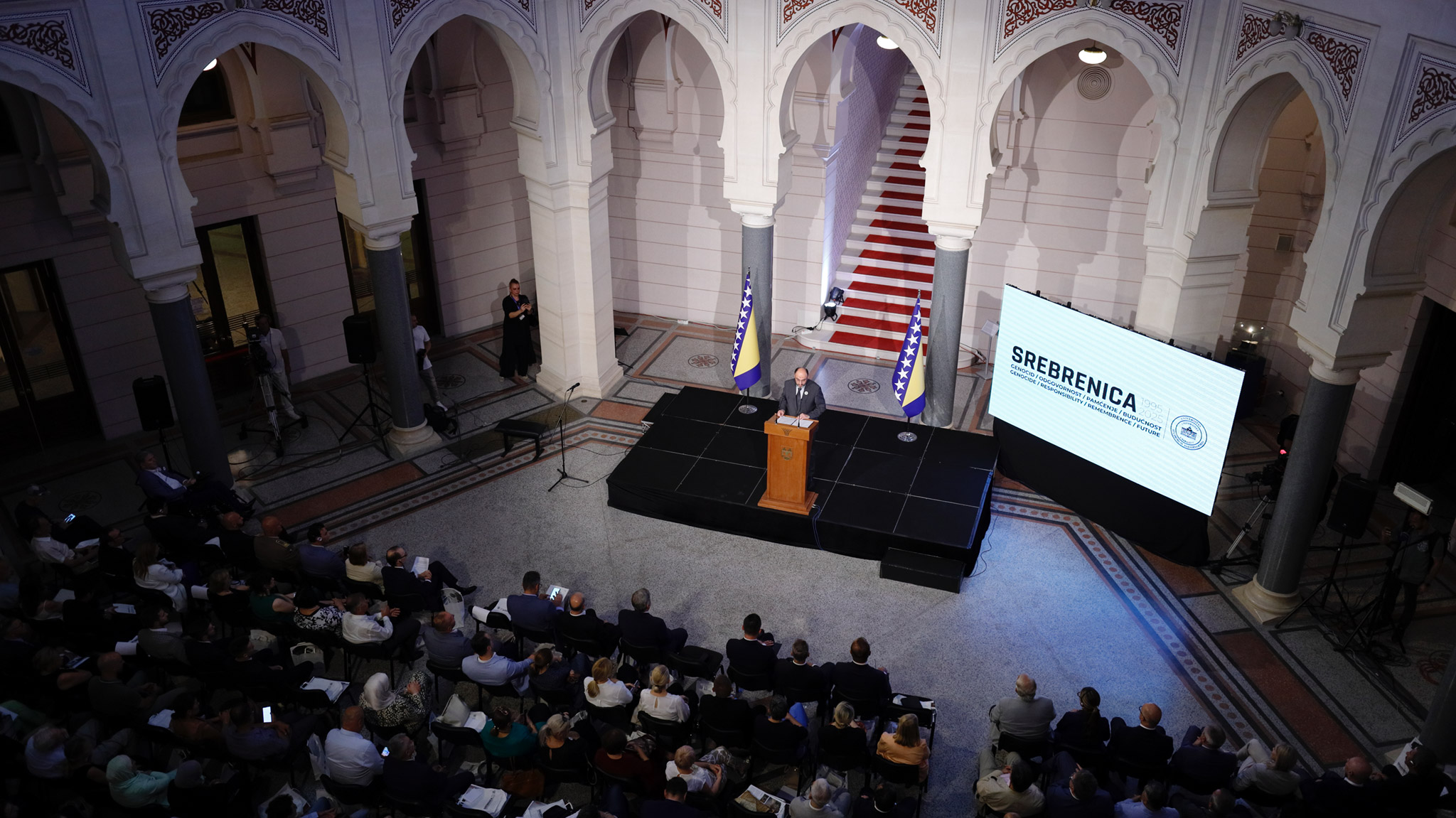
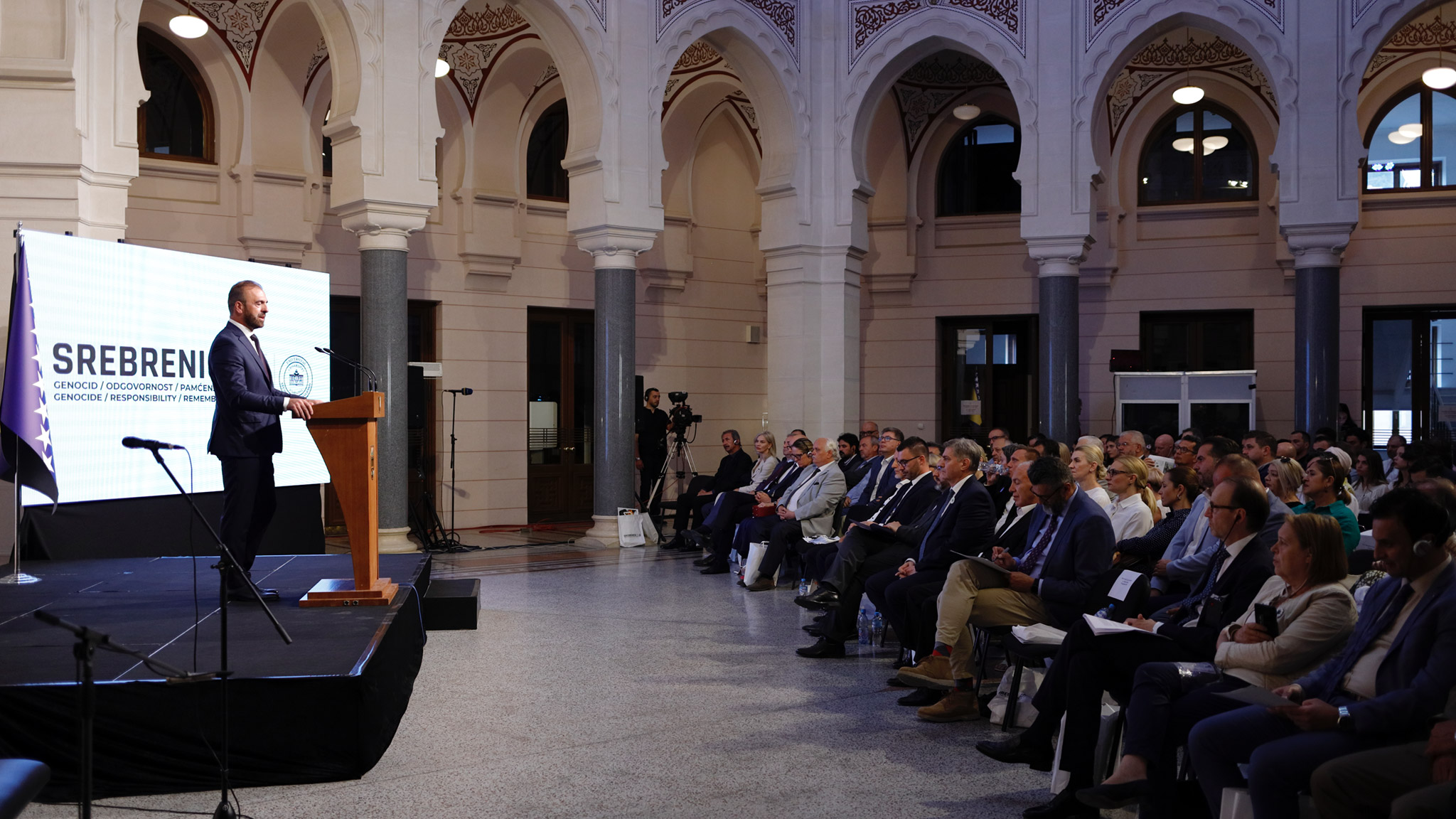
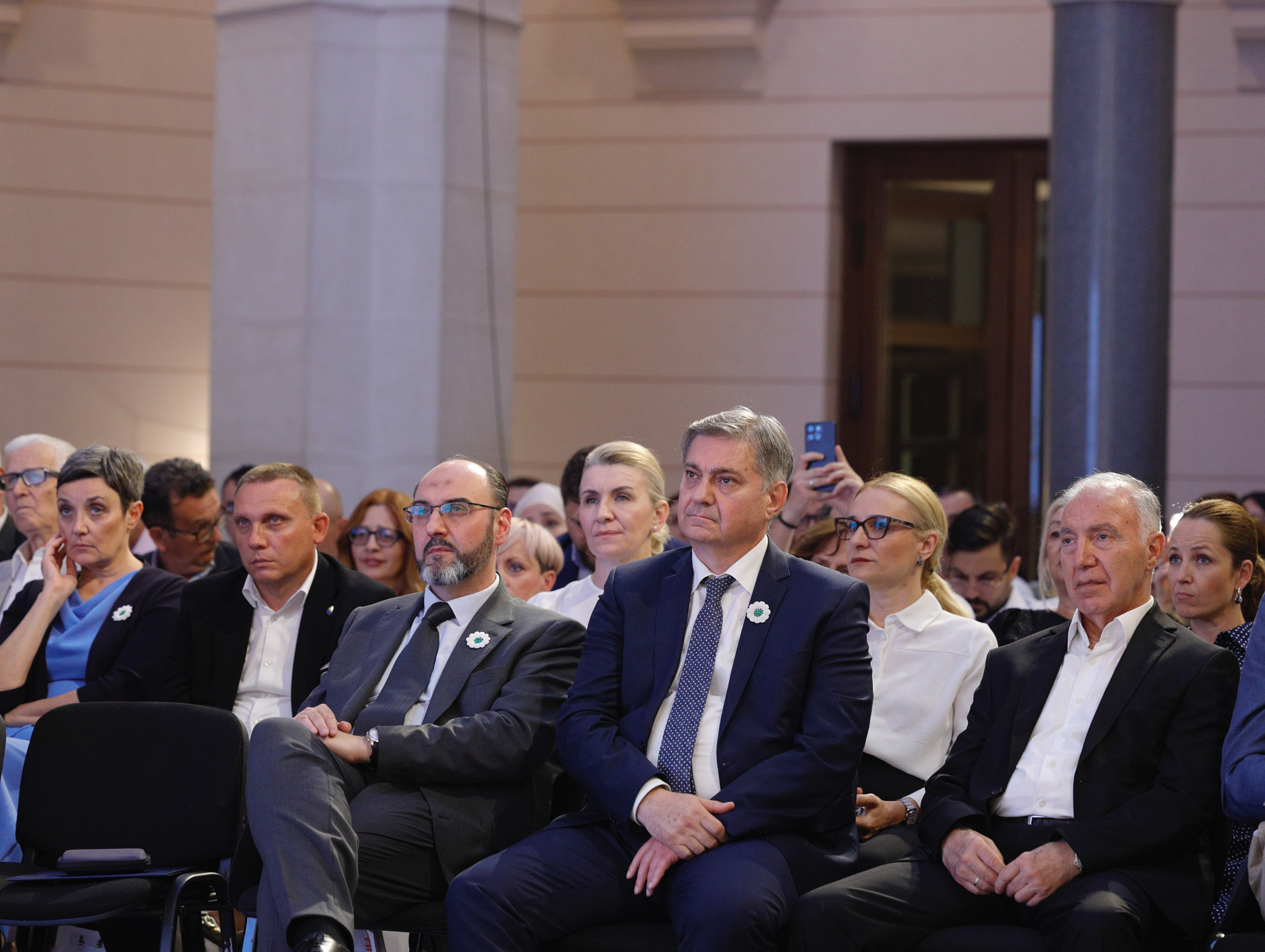
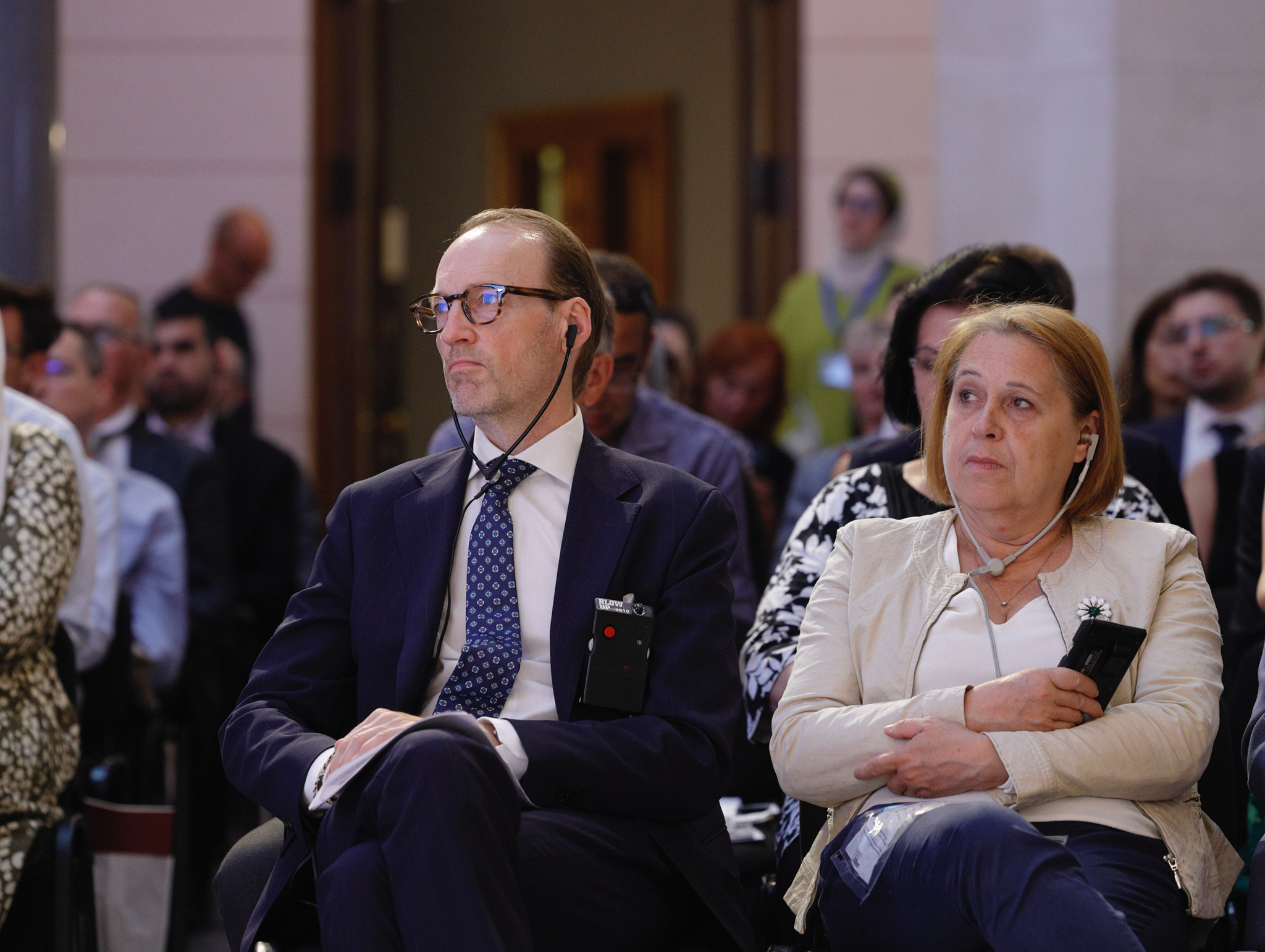
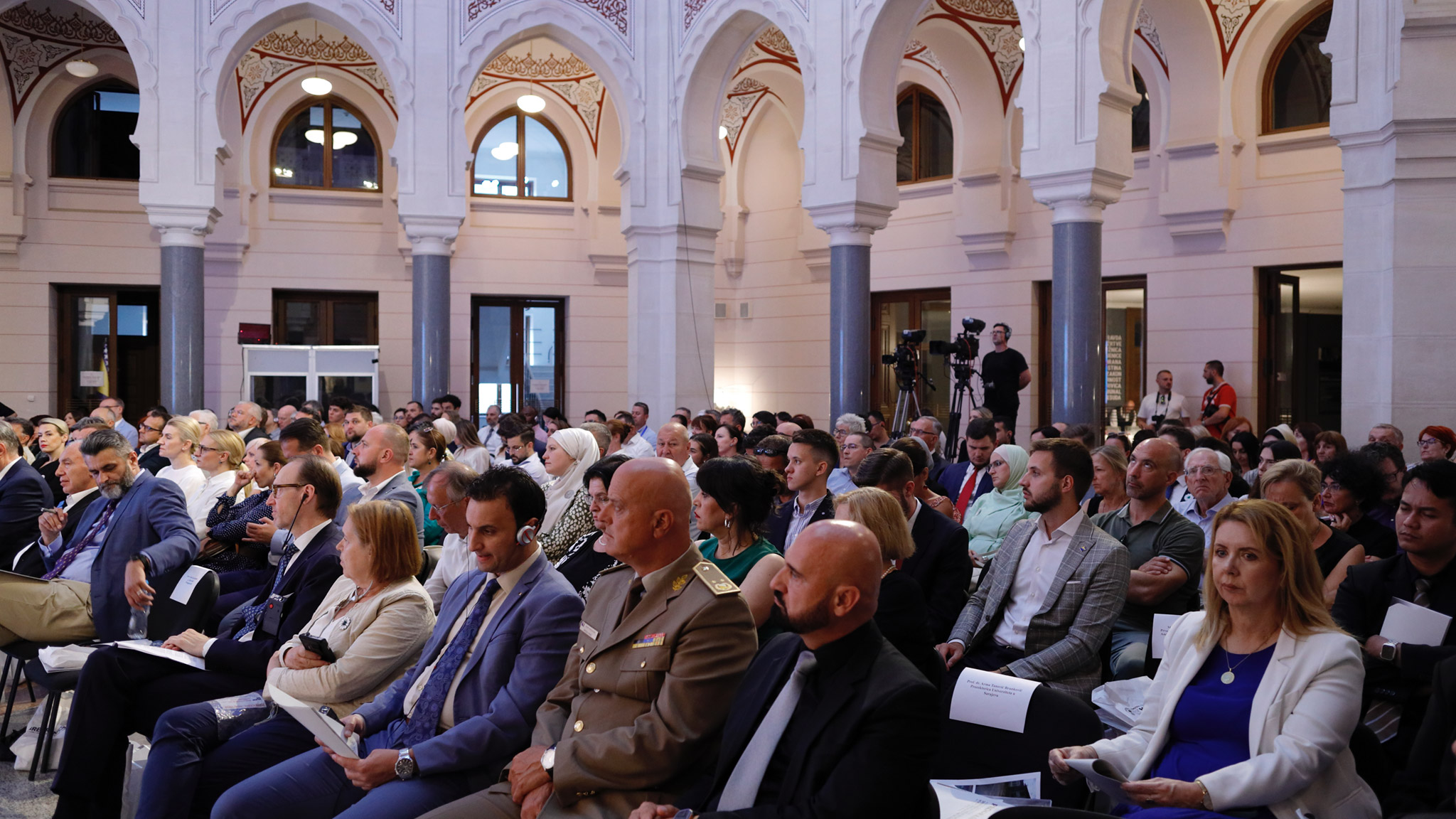
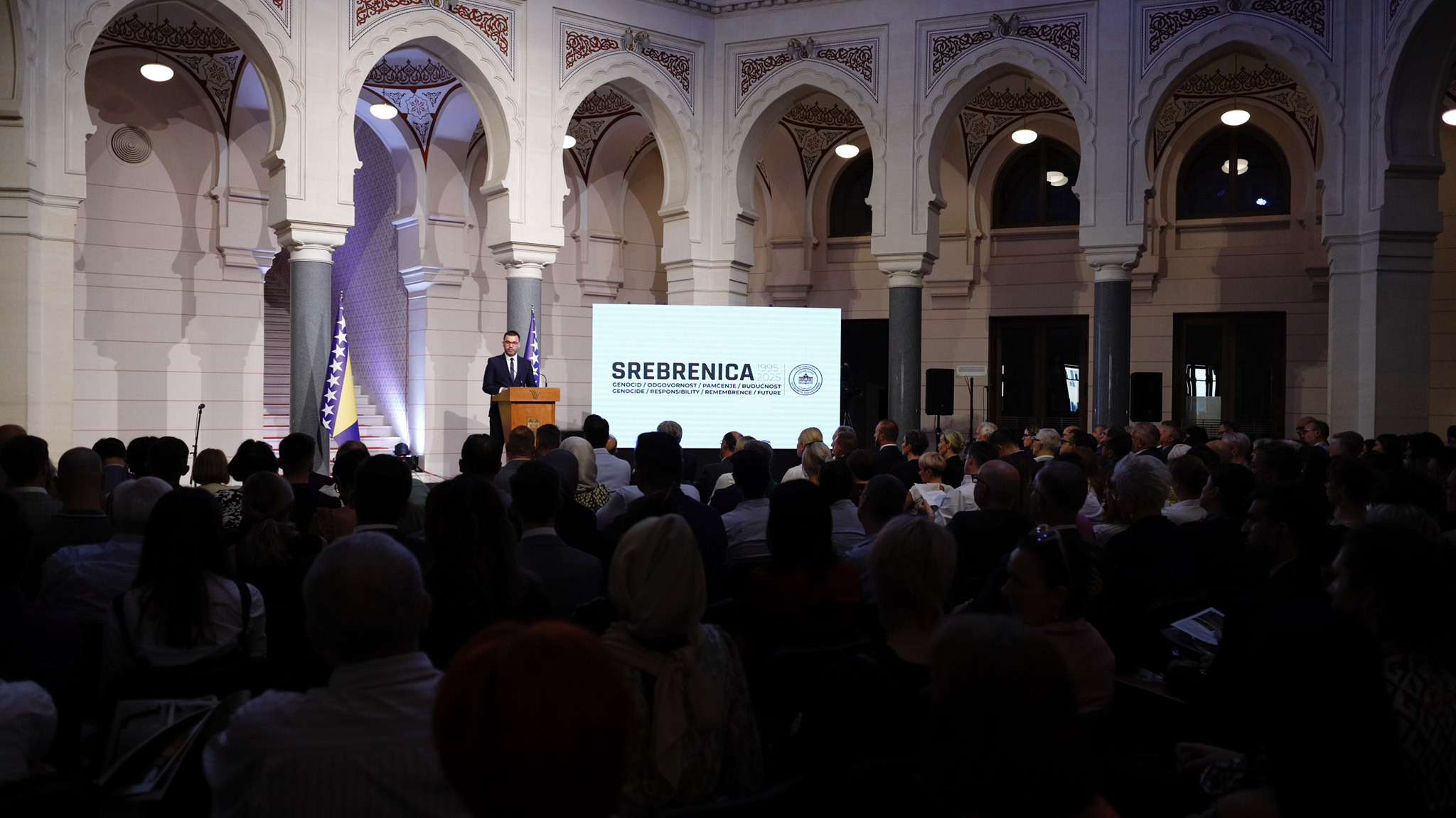
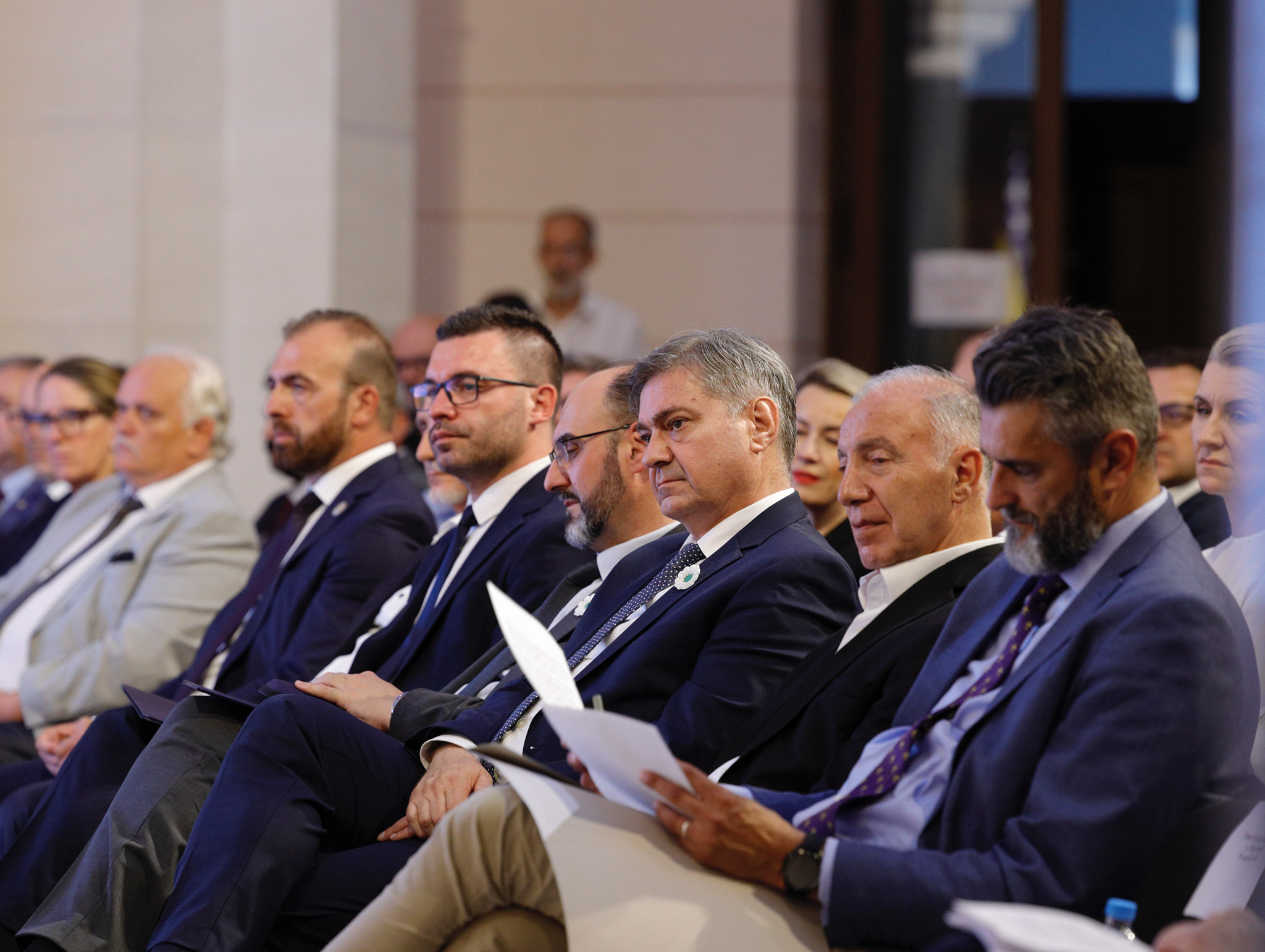
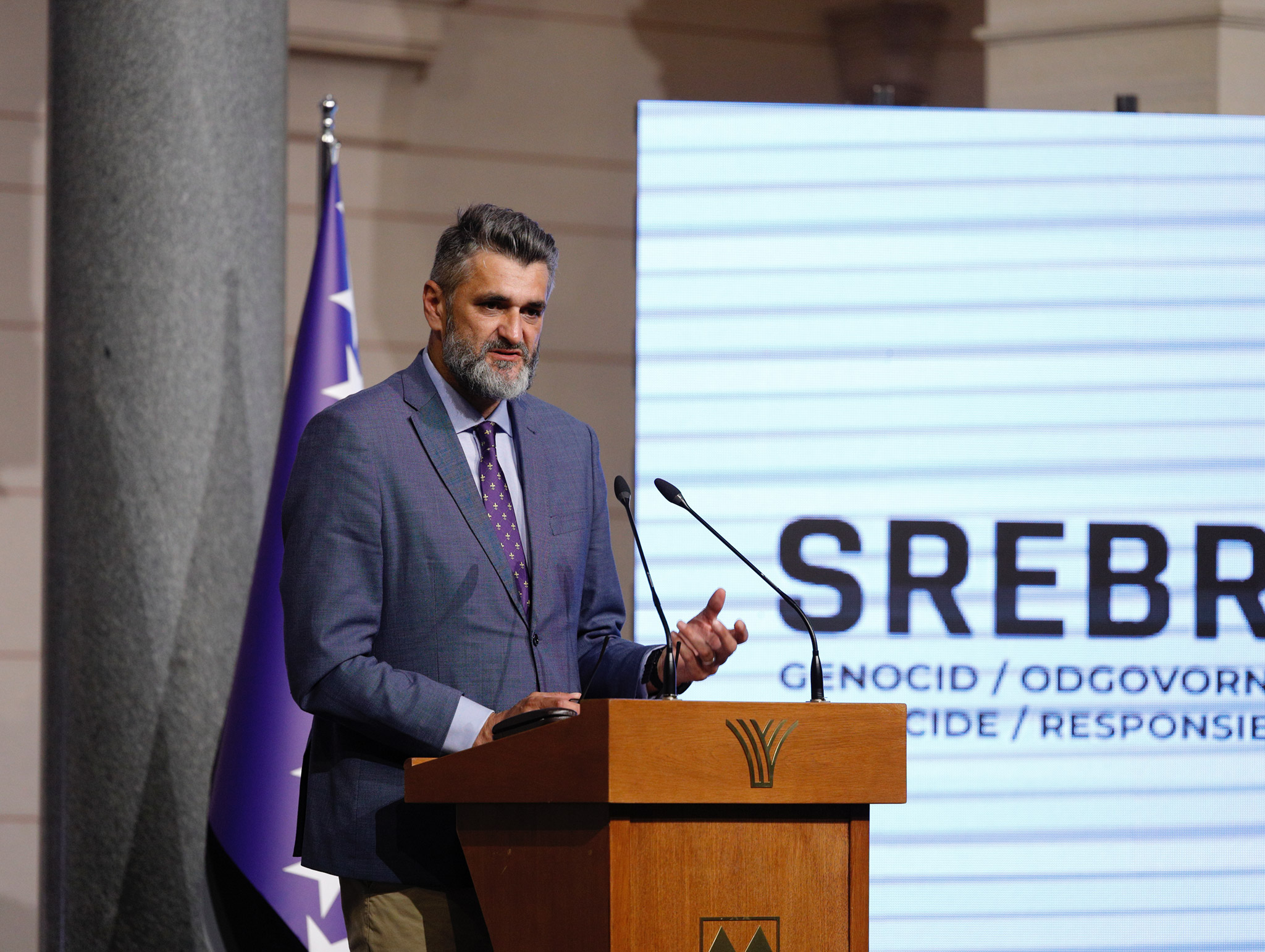
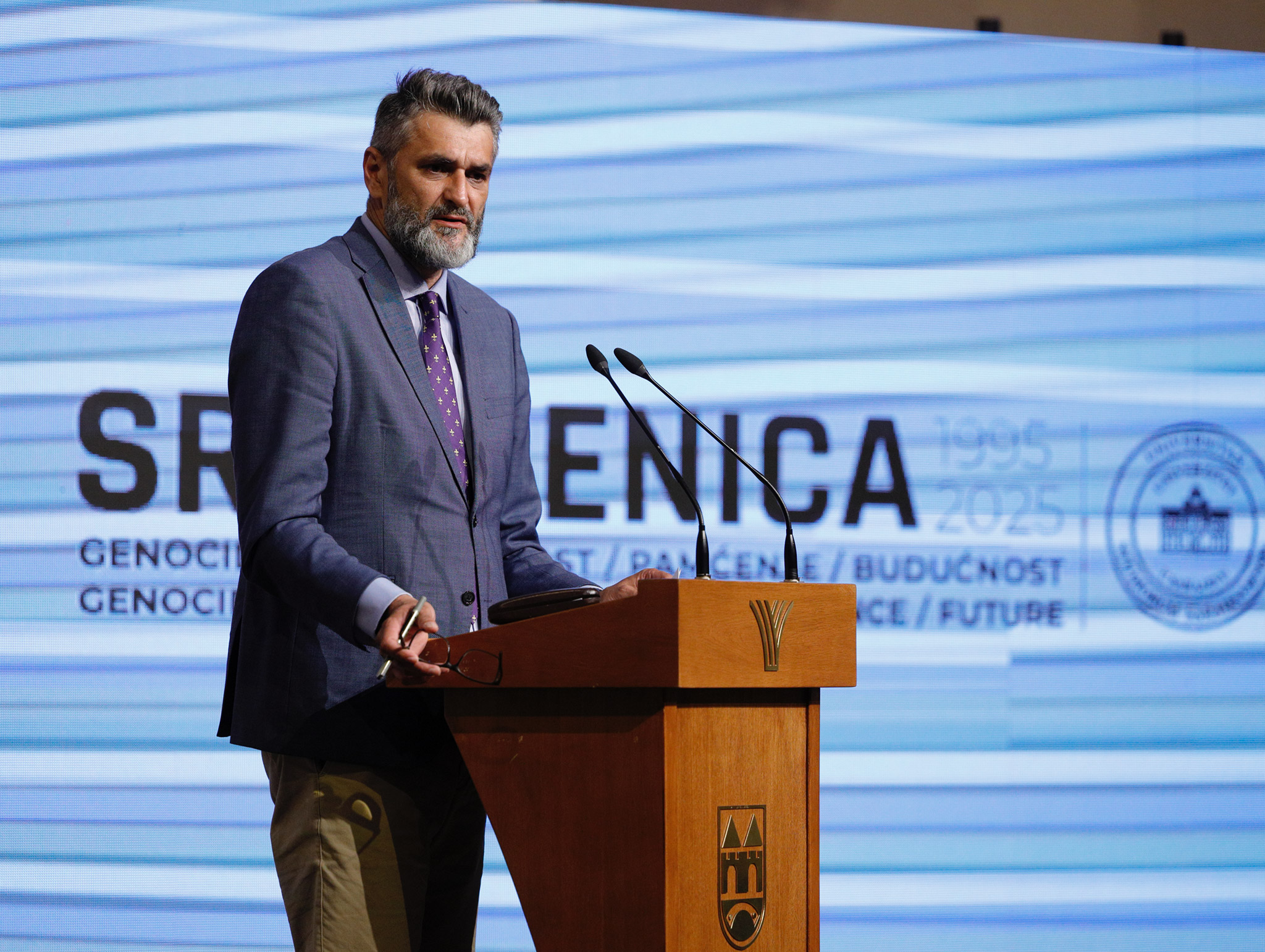
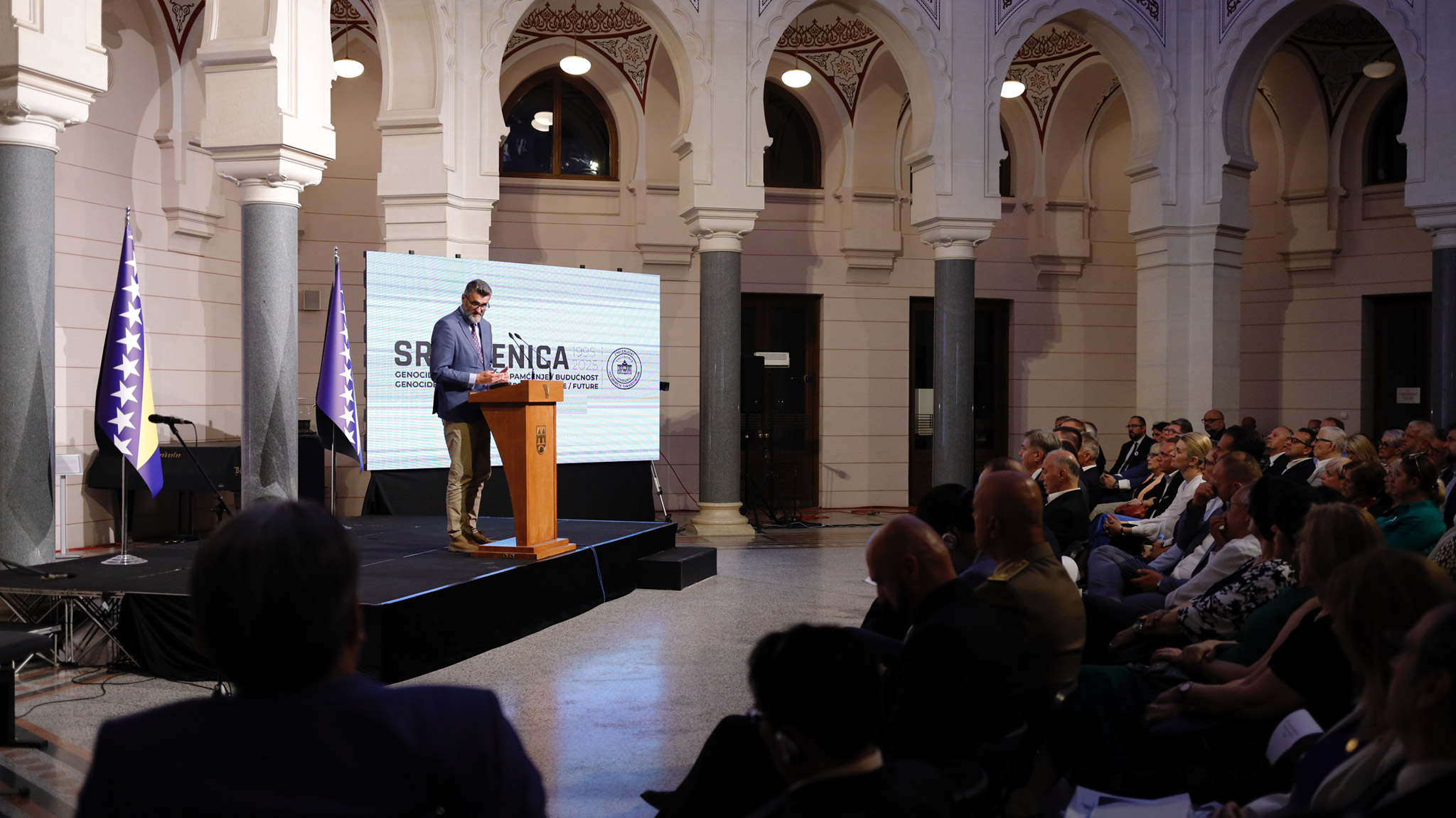
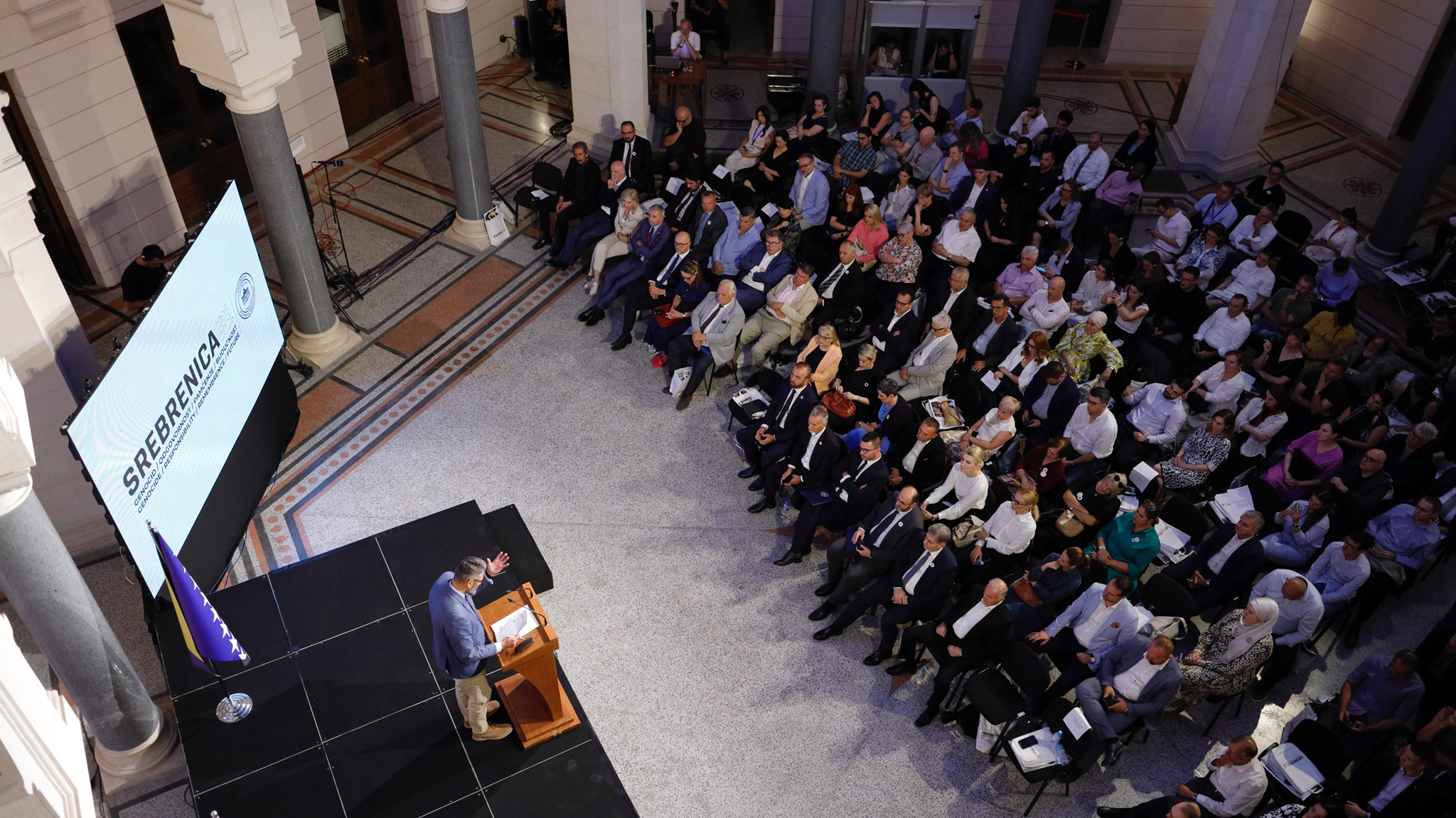
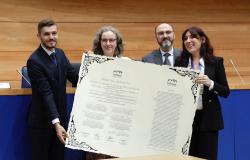
Tonight, the conference “Srebrenica 30 Years After the Genocide – Remembrance, Responsibility, and Challenges of Denial” was officially opened in the Sarajevo City Hall. The goal of the conference is clear — the truth about the genocide in Srebrenica is a universal message belonging to all of humanity, as confirmed by the presence of around forty prominent scientists and researchers from local and international universities, from the USA, Great Britain, Rwanda, and Australia, to Bosnia and Herzegovina. The fight against denial of the genocide is not just our obligation — it is a universal struggle against hatred, which always begins with denial and ends with violence, it was emphasized tonight from the Sarajevo City Hall.
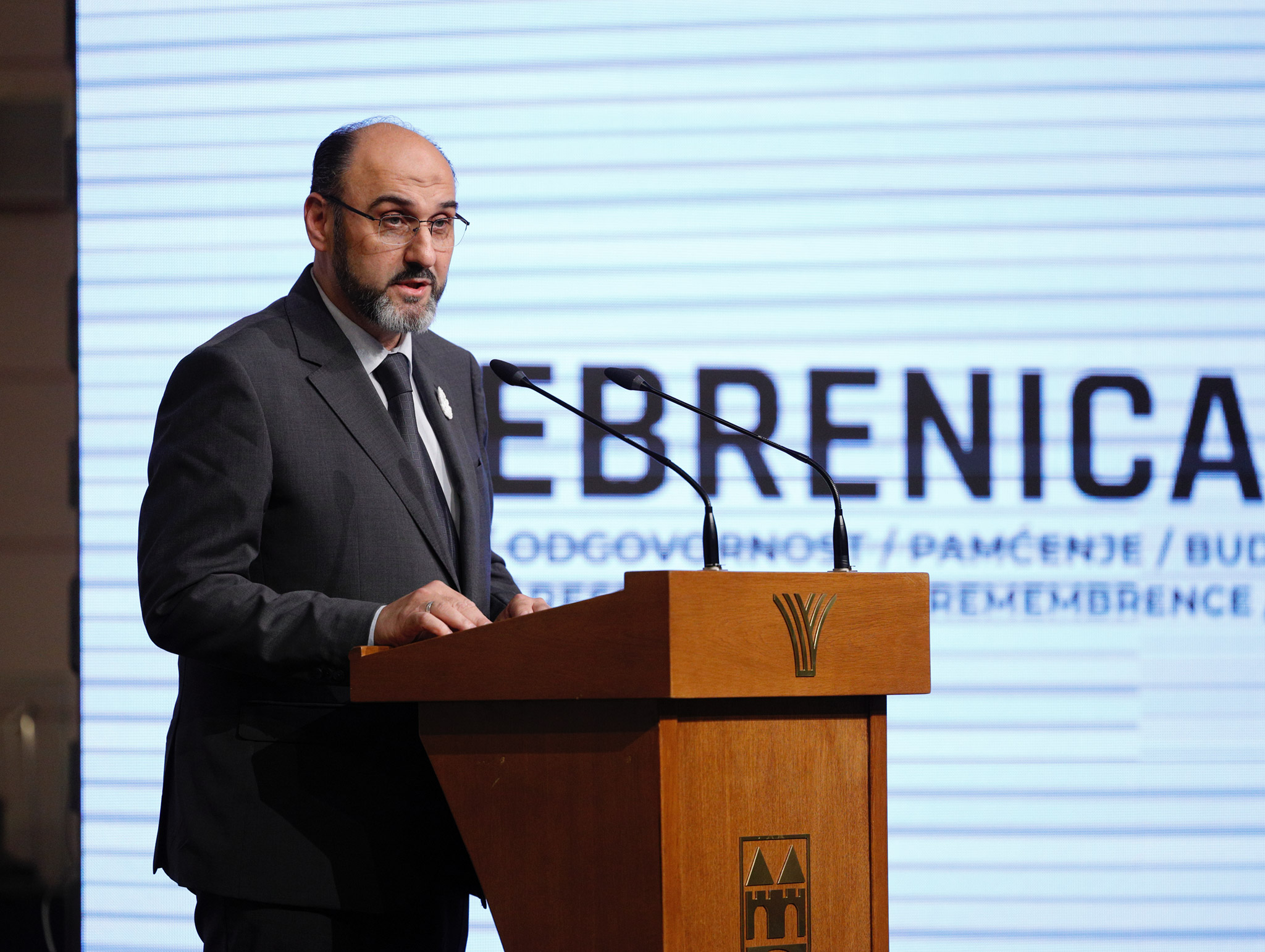
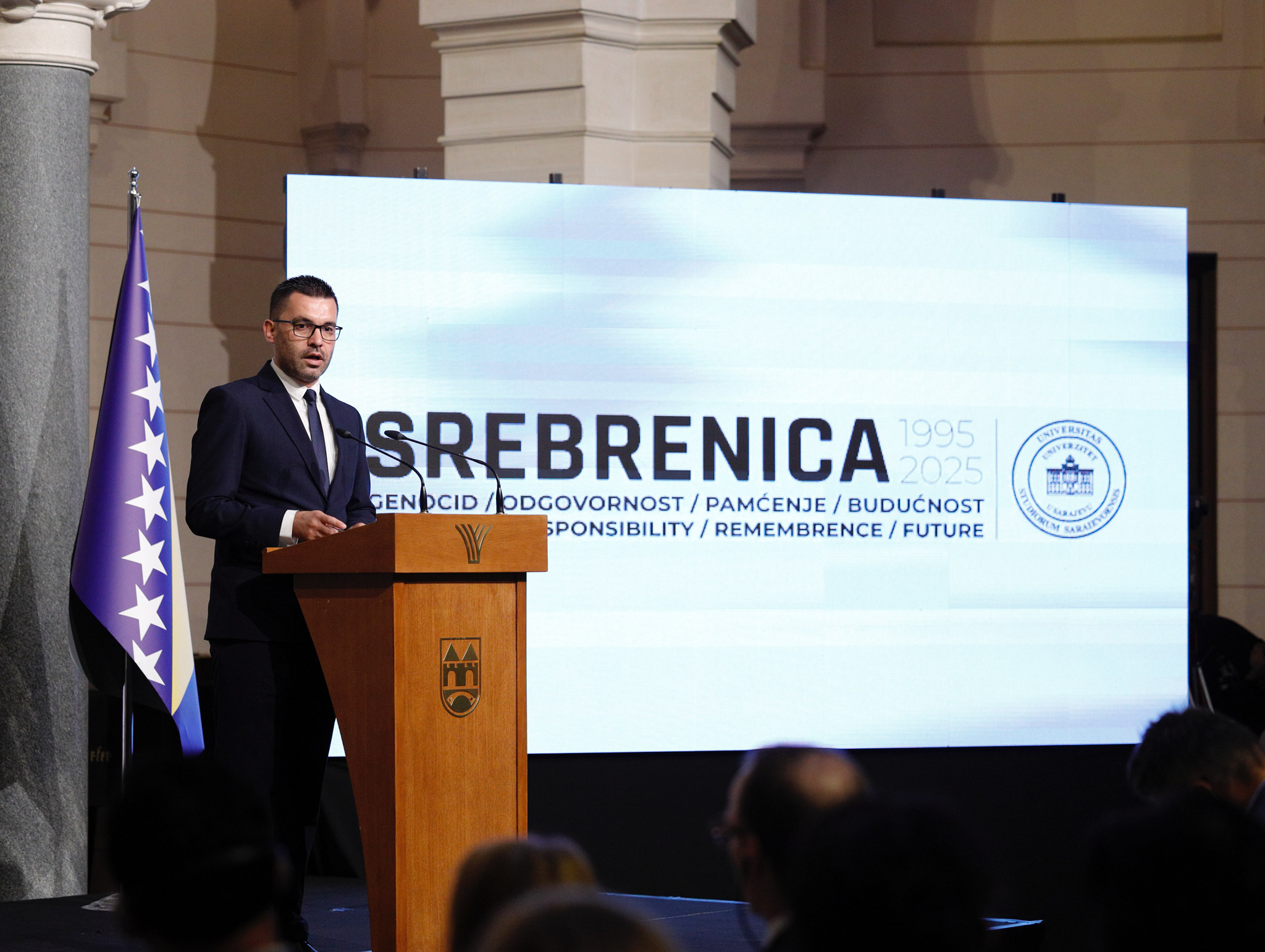
“Today, thirty years later, let Srebrenica remain a source of our strength. Because universal wisdom teaches us that tolerance is the highest form of strength — and the desire for revenge is the first sign of weakness. And our greatest strength, our greatest victory, lies precisely in our unwavering perseverance not to seek revenge, but justice. Because Srebrenica is not a defeat of the victim; it is the humiliation of the criminal. Srebrenica is not an expression of weakness but a victory of the spirit of goodness. Srebrenica cannot and will not be forgotten because life has been replaced by integrity. And as a University, on behalf of all of us who believe in education as the foundation of a fairer society, we will continue to learn, teach, research, remember, and testify,” stated Prof. Dr. Tarik Zaimović, University of Sarajevo Rector.
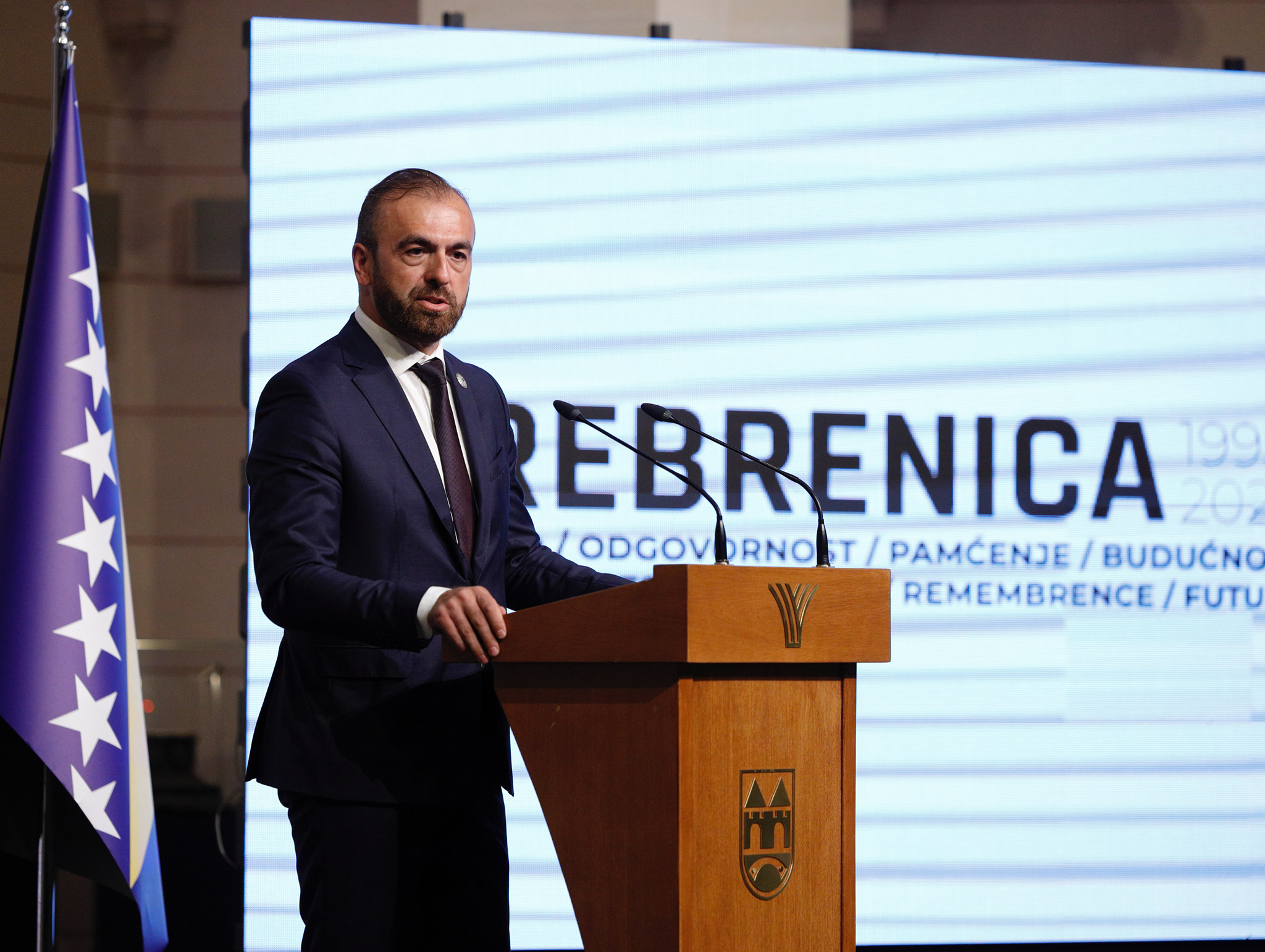
“I am convinced that this conference will result in relevant conclusions and scientific works that will serve as the basis for concrete actions, both within the University of Sarajevo — through educational programs, research projects, and institutional initiatives — and for politicians, decision-makers, the international community, and other relevant actors in Bosnia and Herzegovina, to work together on improving social awareness, justice, and building lasting peace in Bosnia and Herzegovina,” said Dr. Muamer Džananović, University of Sarajevo Director of the Institute for the Investigation of Crimes Against Humanity and International Law.
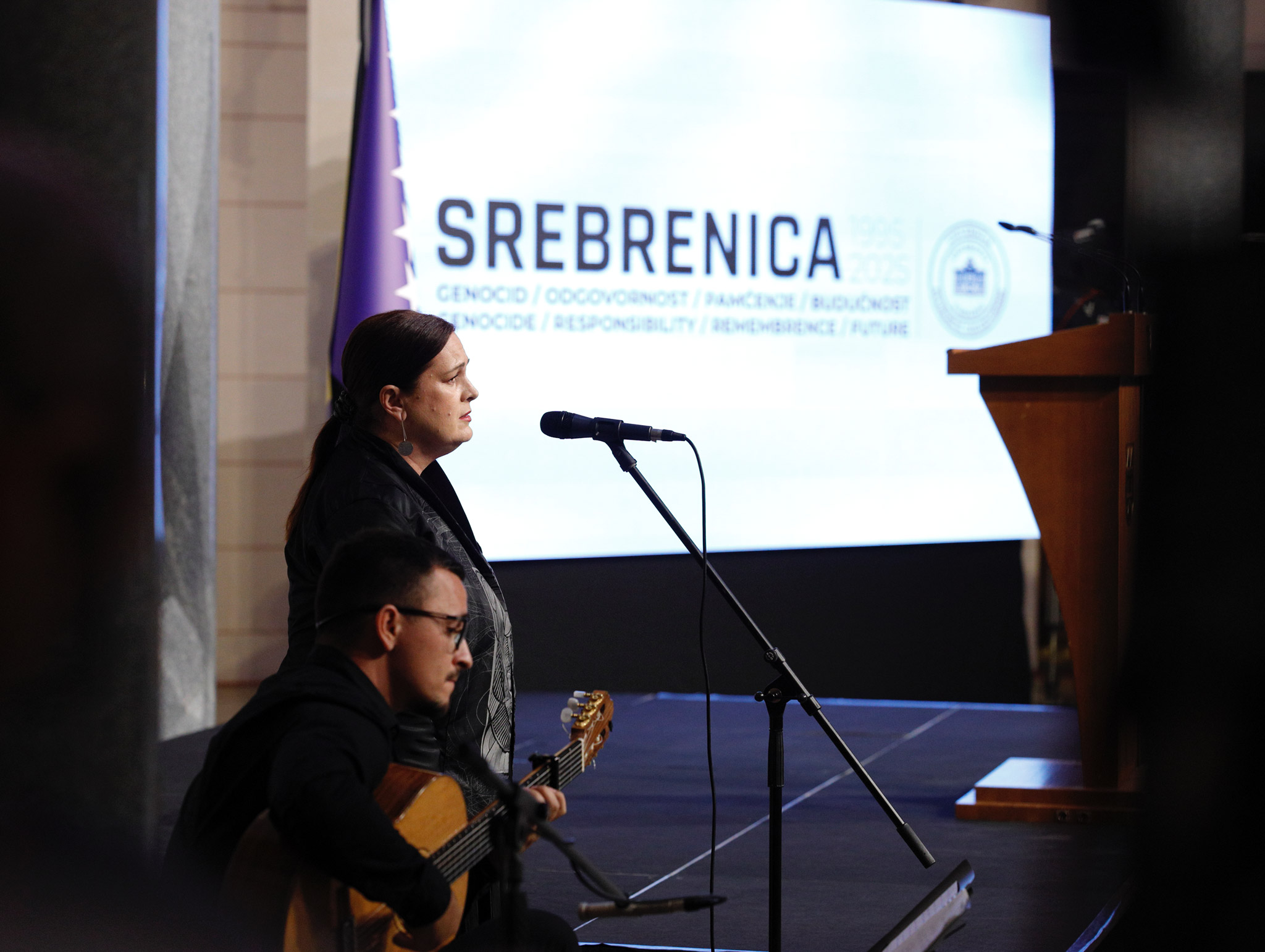
As part of tonight’s program, soprano Lejla Jusić performed the composition “Što te nema” (“Why Are You Not Here”) accompanied by guitarist Džanin Zeković. With this composition, Jusić opened the commemorative gathering last month marking the 30th anniversary of the genocide against Bosniaks in and around Srebrenica at St. Paul’s Cathedral in London, where, in the presence of high-ranking officials from Great Britain and Bosnia and Herzegovina, the three-decade commemoration of Europe’s largest genocide after WWII was observed.
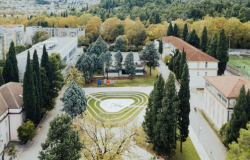
On the second day of the conference, five panel discussions will be held at the Rectorate of the University of Sarajevo, addressing different perspectives on genocide, from legal issues, geopolitical circumstances, to denial of genocide. On the third day, a full-day visit to the “Srebrenica” Memorial Center in Potočari is planned, where participants will attend a lecture and see firsthand the environment where the genocide against Bosniaks was carried out in and around Srebrenica.
More information can be found on the official website: 30godina.unsa.ba.
Photographs: Vanja Čerimagić