BiH must find its position in a multipolar world and continue on the NATO path without political drama | 30 Years after Dayton: Myths, Realities, and New Visions for Bosnia and Herzegovina's Future
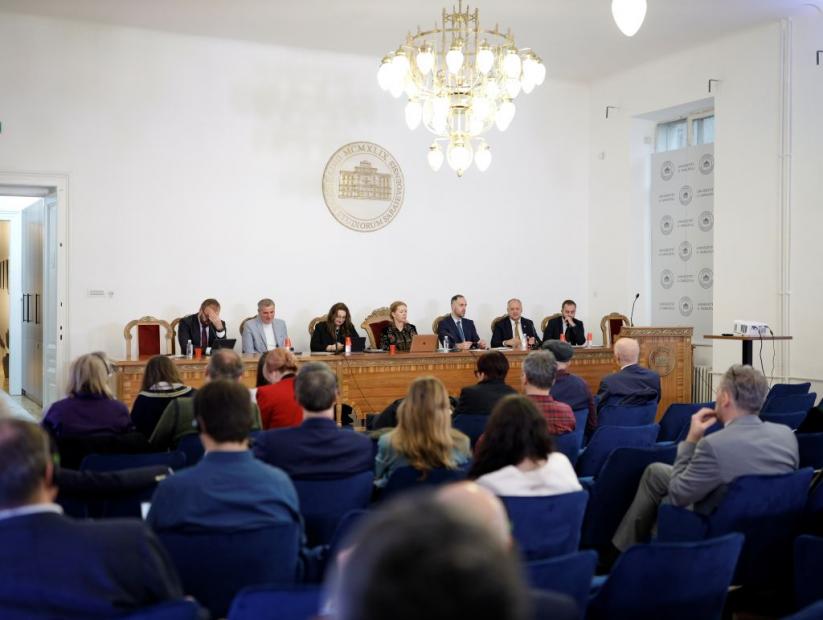


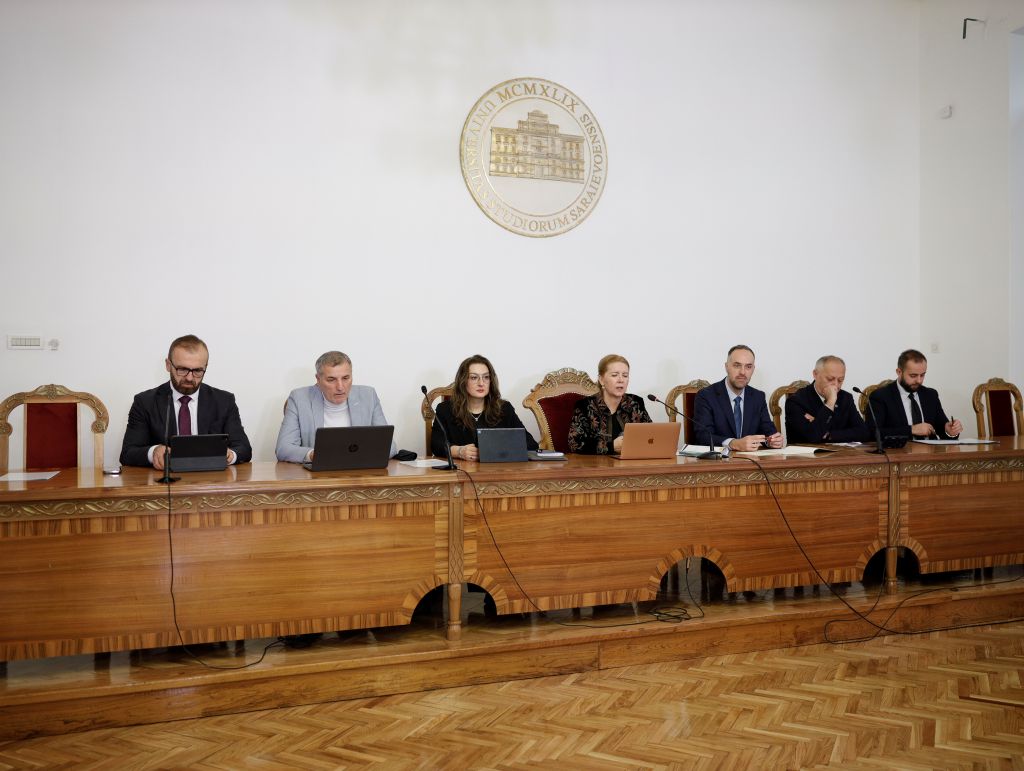
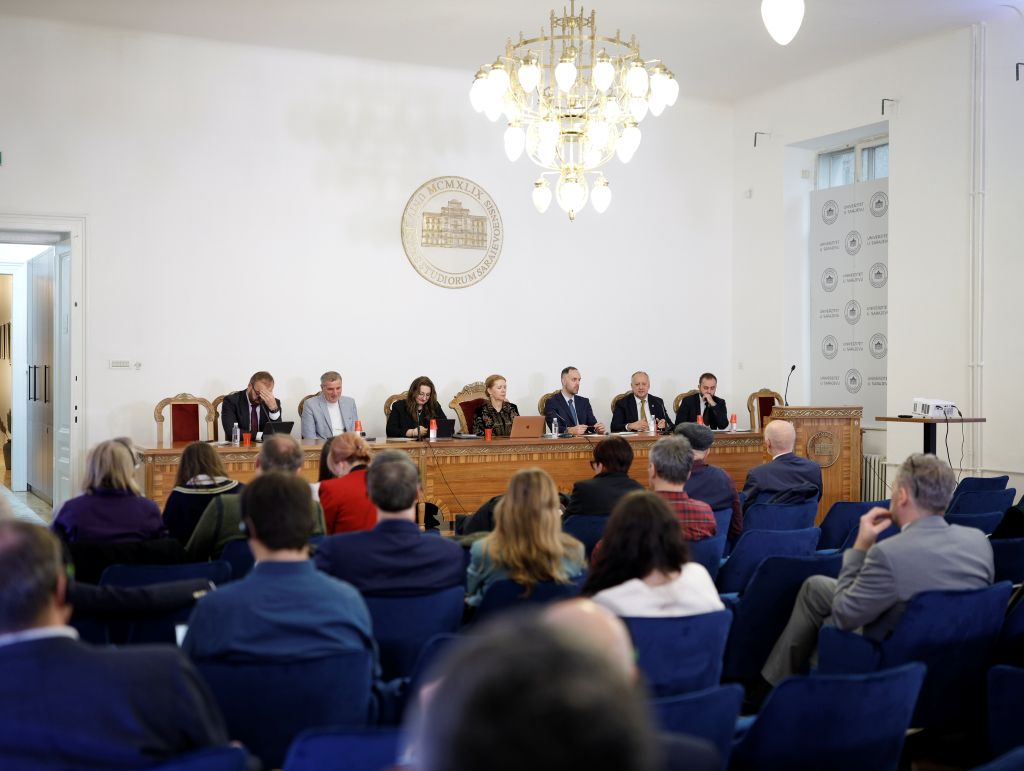
“The Future of Bosnia and Herzegovina between Multipolarity and Euro-Atlantic Integration: Realities and Dilemmas of Foreign Policy” is the title of the first of nine panel discussions within the framework of the international conference “30 Years After Dayton: Myths, Realities, and New Visions for Bosnia and Herzegovina” held today organized by the University of Sarajevo, marking 30th Dayton Peace Agreement signing anniversary.
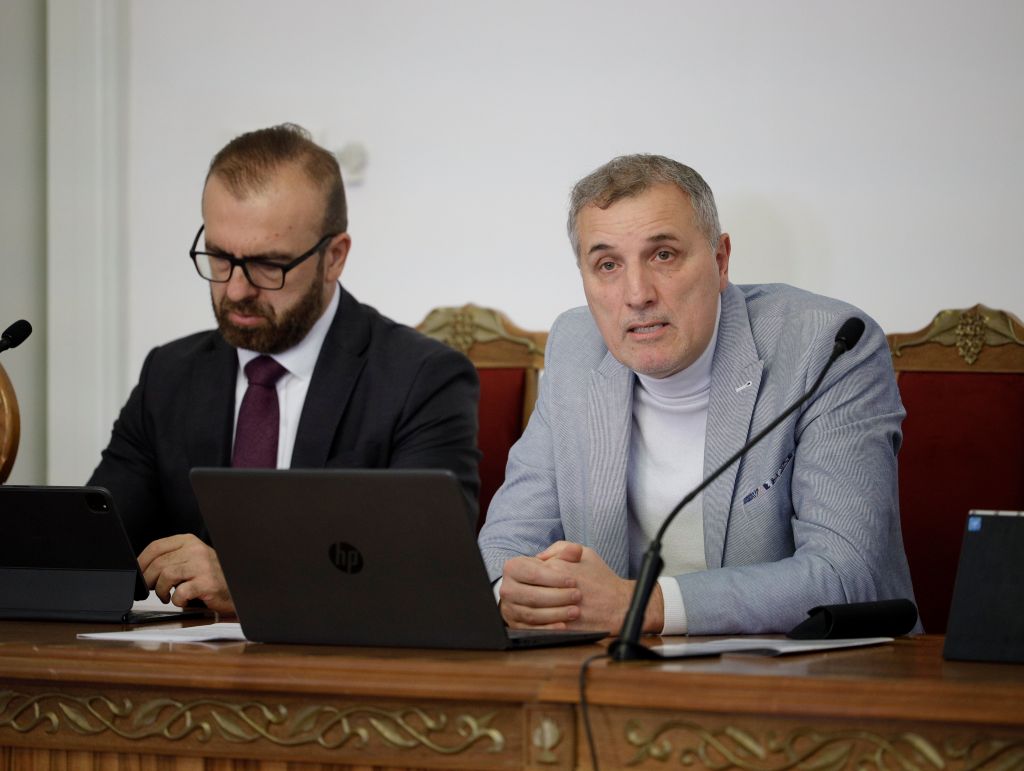
Dr. Emir Hadžikadunić analyzed the key realities and challenges of conducting Bosnia and Herzegovina's foreign policy over the past 30 years, including the increasingly evident subversive engagement of subnational actors in international relations. Reflecting on the impact of geopolitical changes in the international environment, on foreign policy actors in BiH, as well as on achieving the country's strategic foreign policy goals, Hadžikadunić emphasized that the main foreign policy objectives are not static. “It is important for Bosnia and Herzegovina to monitor indicators of global geopolitical changes and to adapt its foreign policy goals accordingly, so that every diplomatic and consular mission operates in the national, security, and other interests of BiH” concluded Hadžikadunić.
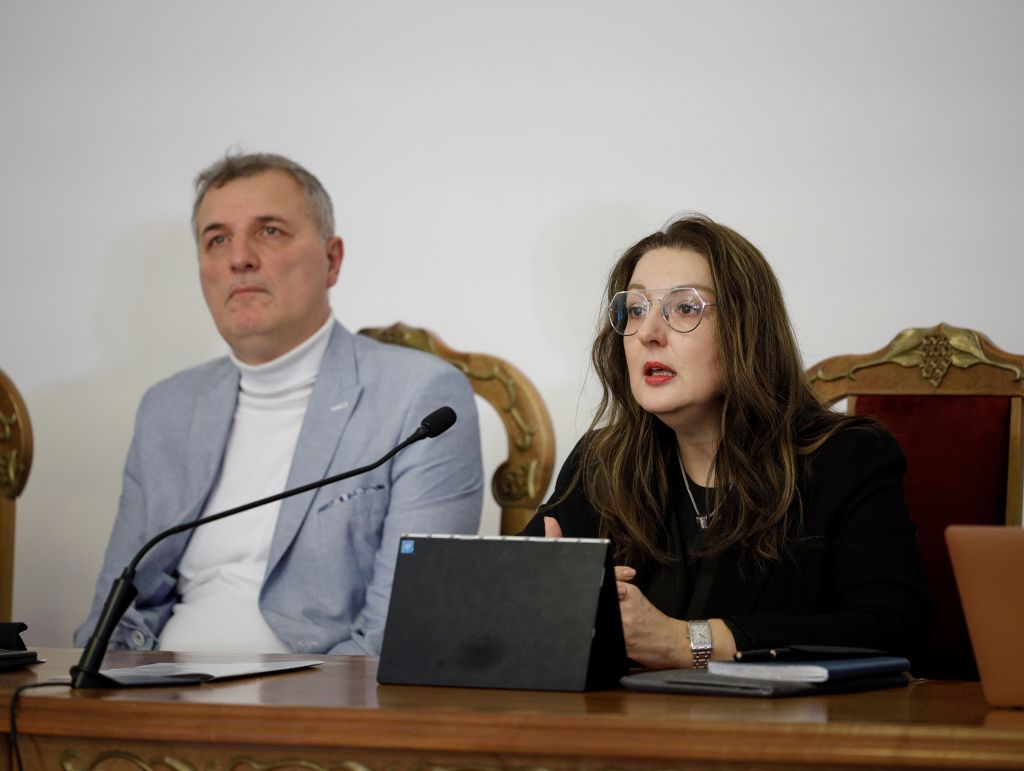
Dr. Nedžma Džananović Miraščija, speaking about the relationship between the Office of the High Representative in BiH and the Dayton Peace Agreement signatories, analyzing 67 reports submitted to the UN Security Council, highlighted how OHR has continuously redefined the boundaries between legitimate regional cooperation and illegitimate external interference in BiH's political issues. “Over time, OHR positioned itself as the 'guardian' of BiH from regional interests, specifically Serbia and Croatia, and demonstrated that BiH is a laboratory of post-liberal international authority,” Džananović stated.
Dr. Jasmin Ahić and Dr. Kenan Hodžić presented their work analyzing 30 years after Dayton on Bosnia and Herzegovina's path toward NATO integration. They emphasize that despite significant progress toward aligning with NATO's military and political criteria, these efforts remain insufficient, and they stress that the process must not be halted. “Without political drama and with much more operational and tactical actions, it is important to continue Bosnia and Herzegovina's accession to NATO,” conclude Ahić and Hodžić.
Prof. Dr. Sead Turčalo offered an interesting thesis on the perspective of micro-realism, in which BiH must pose a crucial question in the global political context: how to increase its own strategic autonomy and avoid being a loser in a multipolar world. “From the perspective of micro-realism, BiH must clearly see its limitations but also identify areas where it can make progress for its security, consciously accepting that we are small— but not helpless,” Turčalo concluded.
Dr. Jasmin Hasić pointed out that young authors write very little about Bosnia and Herzegovina as an international political subject, and generally, these writings are about its reactive and passive role in the international context. Changing this in the future is important.
The conference will continue with discussions on BiH between the Constitution and functionality: 30 years of institutional transformation, challenges, and perspectives of the constitutional future of BiH from the perspective of young researchers. In the afternoon, a plenary panel on regional implications of Dayton: from the peace agreement to geopolitical legacy will take place, featuring Goran Svilanović (former Minister of Foreign Affairs of FR Yugoslavia), Miodrag Vlahović (former Minister of Foreign Affairs of Montenegro), Mirza Hajrić (former BH diplomat and foreign policy advisor), and Veton Surroi (journalist and activist, Kosovo).