Six-Volume Edition of the History of Bosnia and Herzegovina Presented in Zagreb
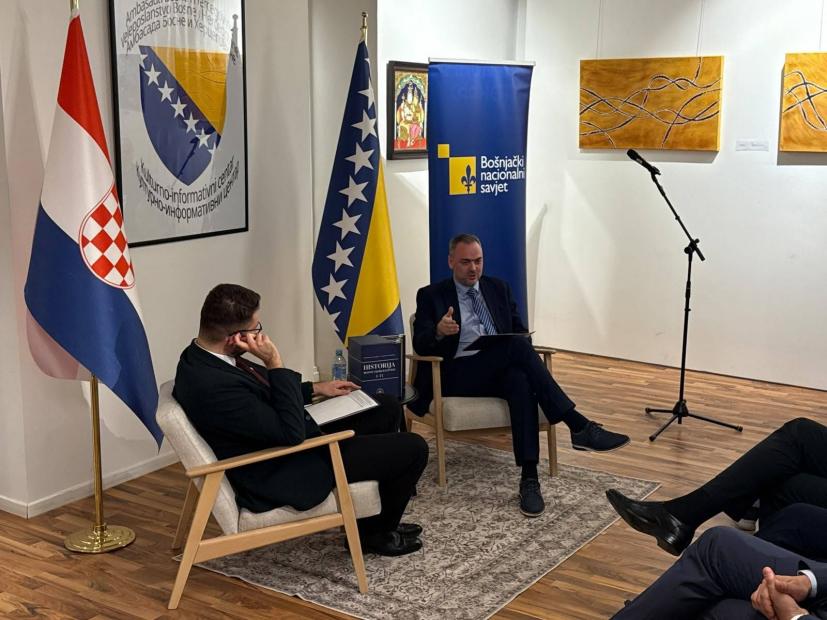


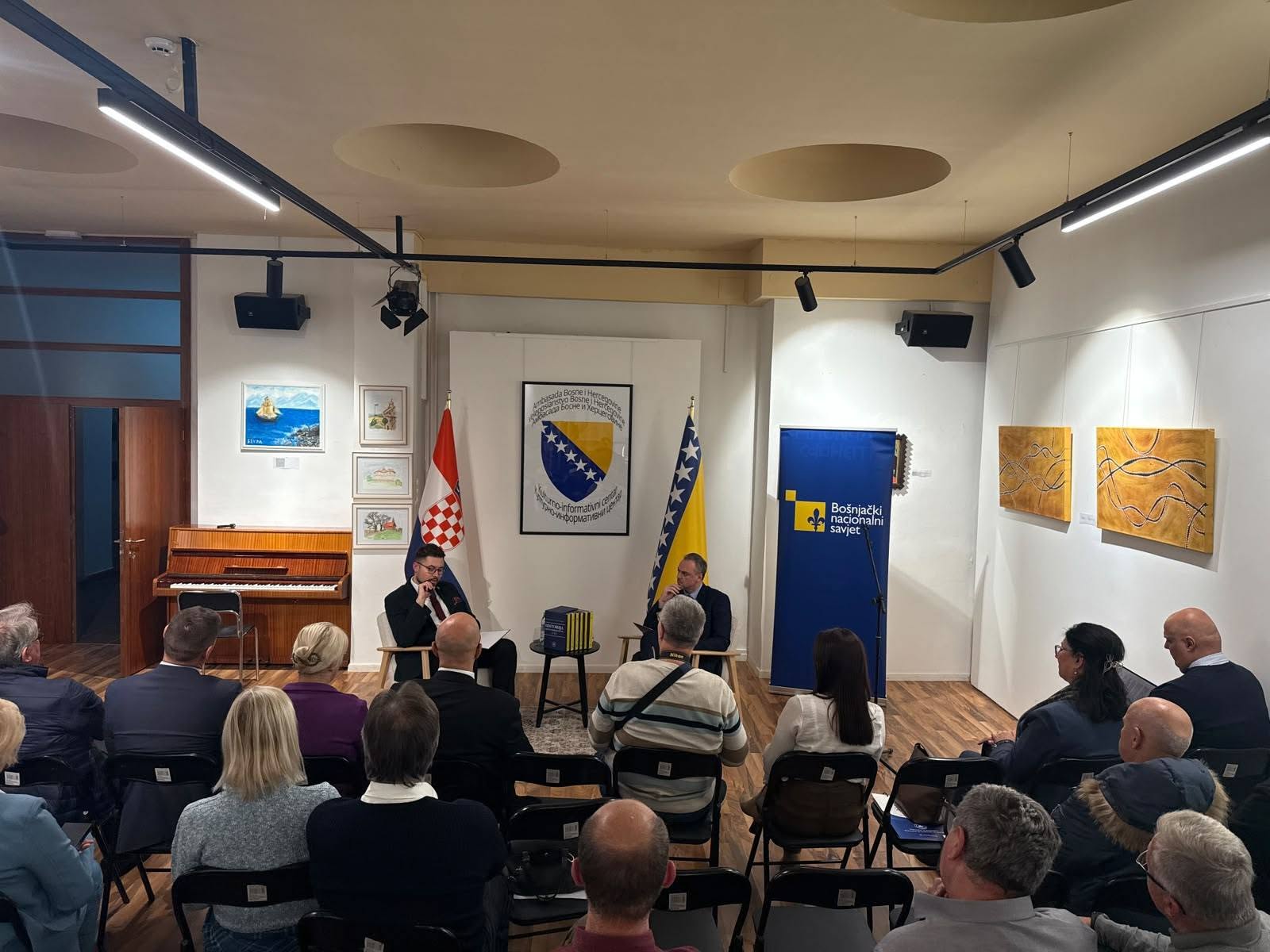
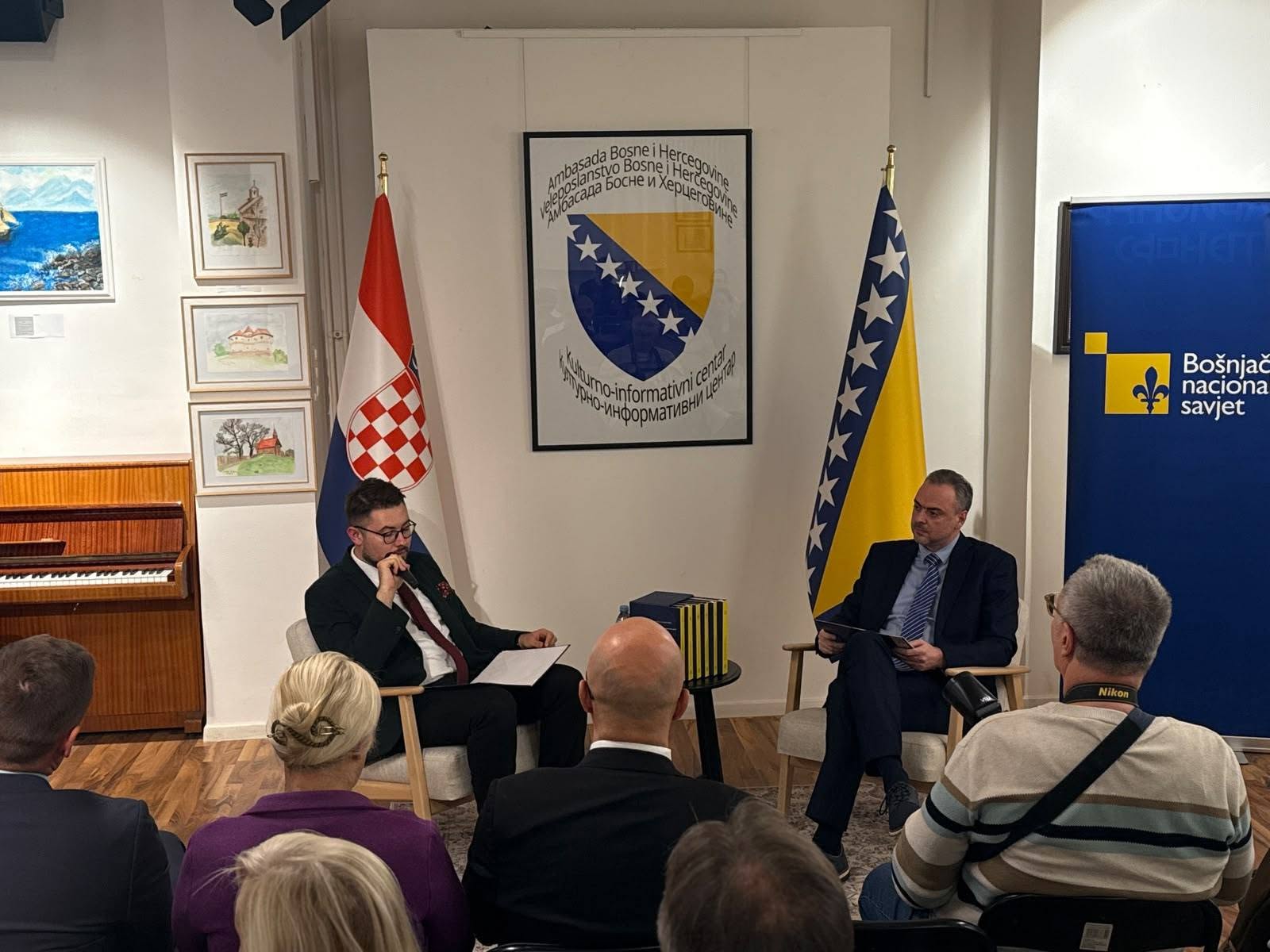
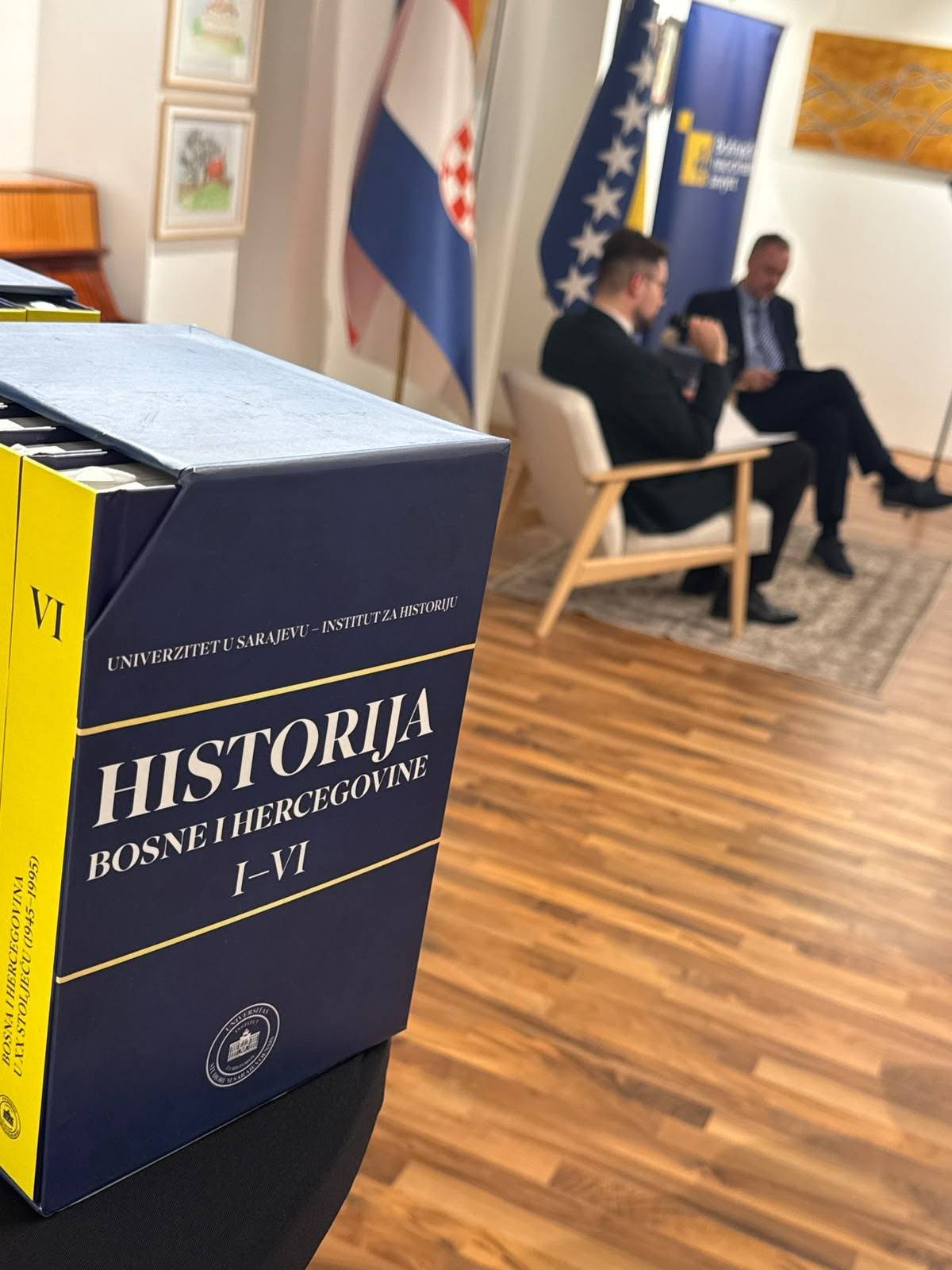
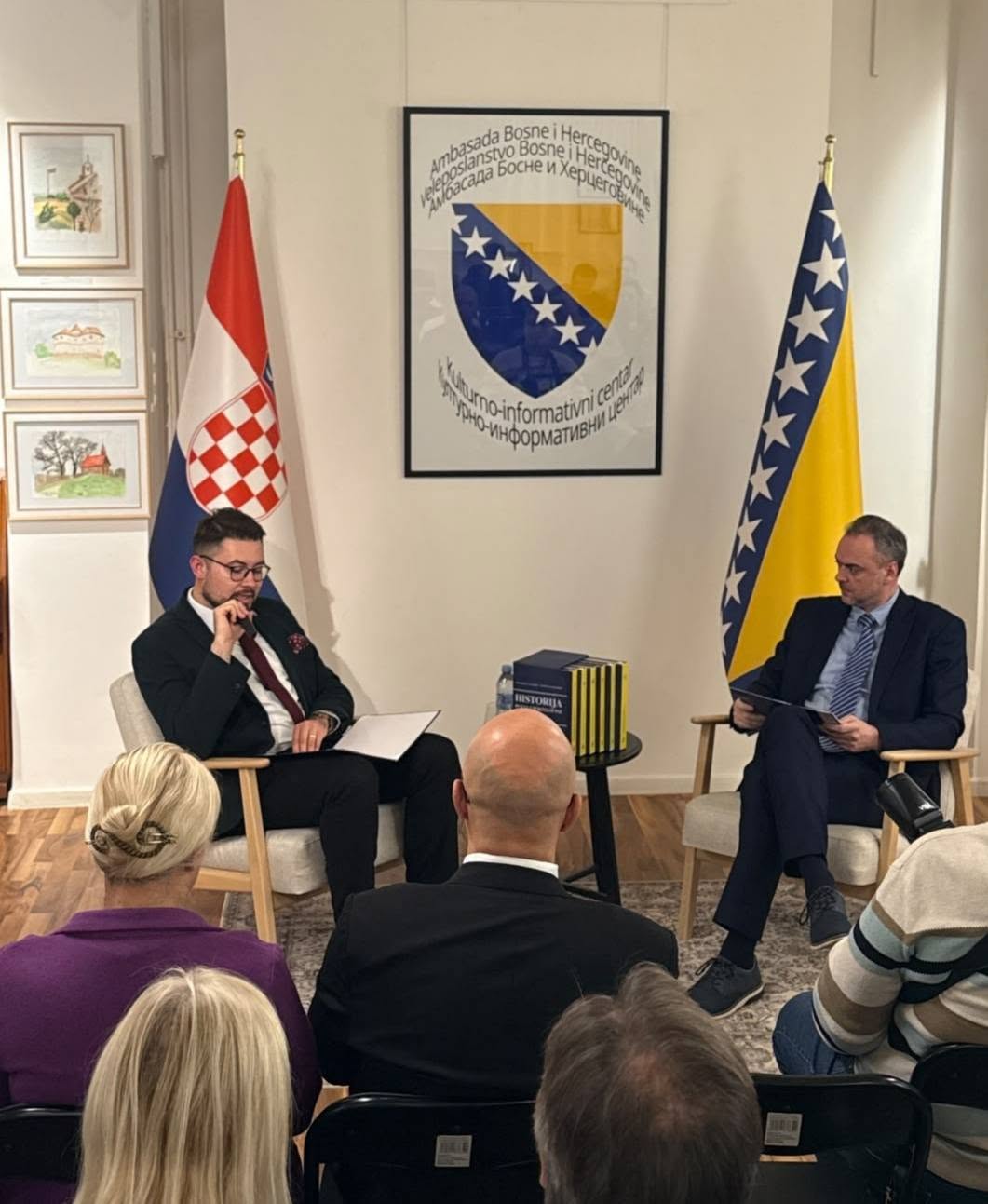
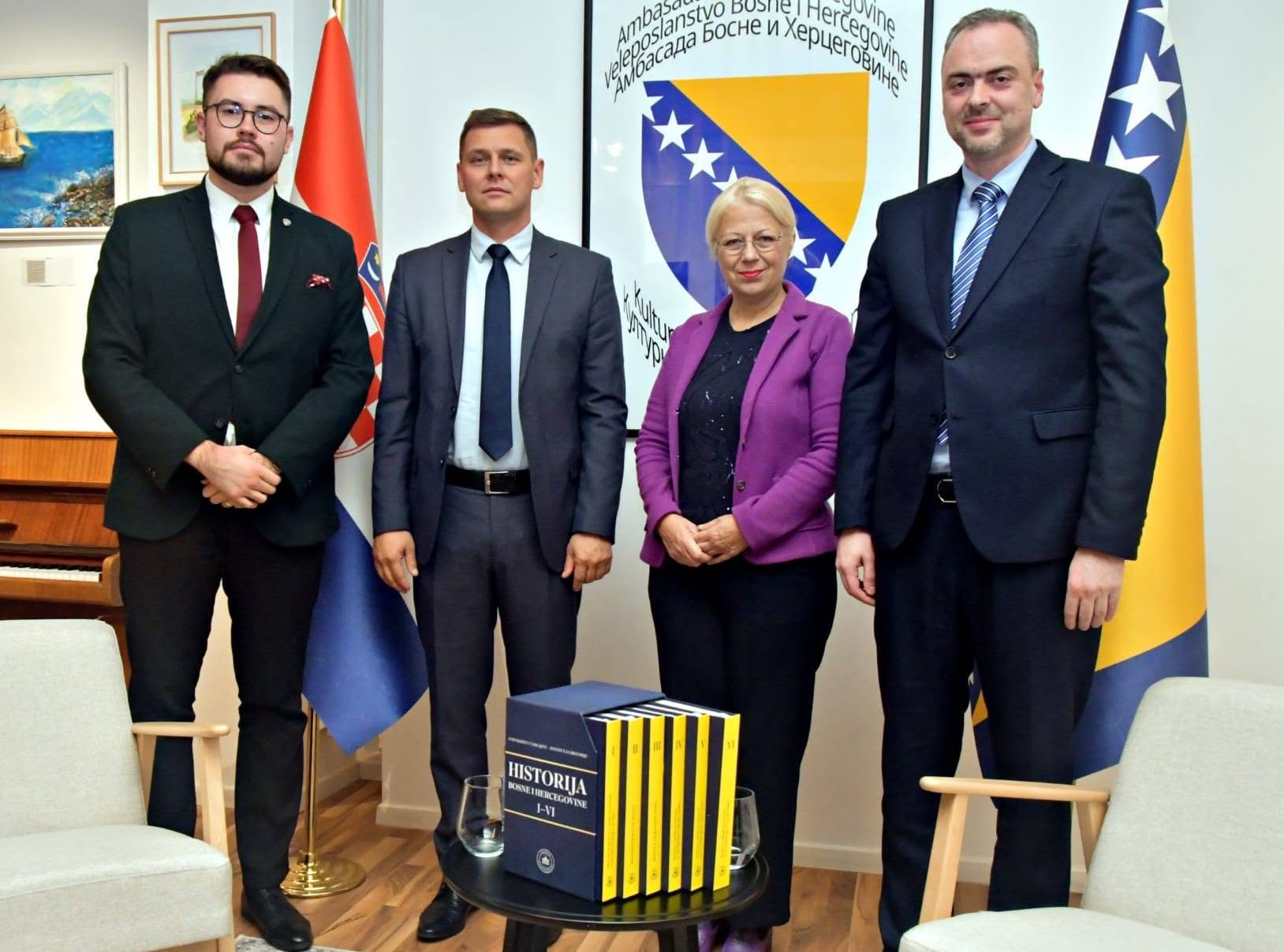
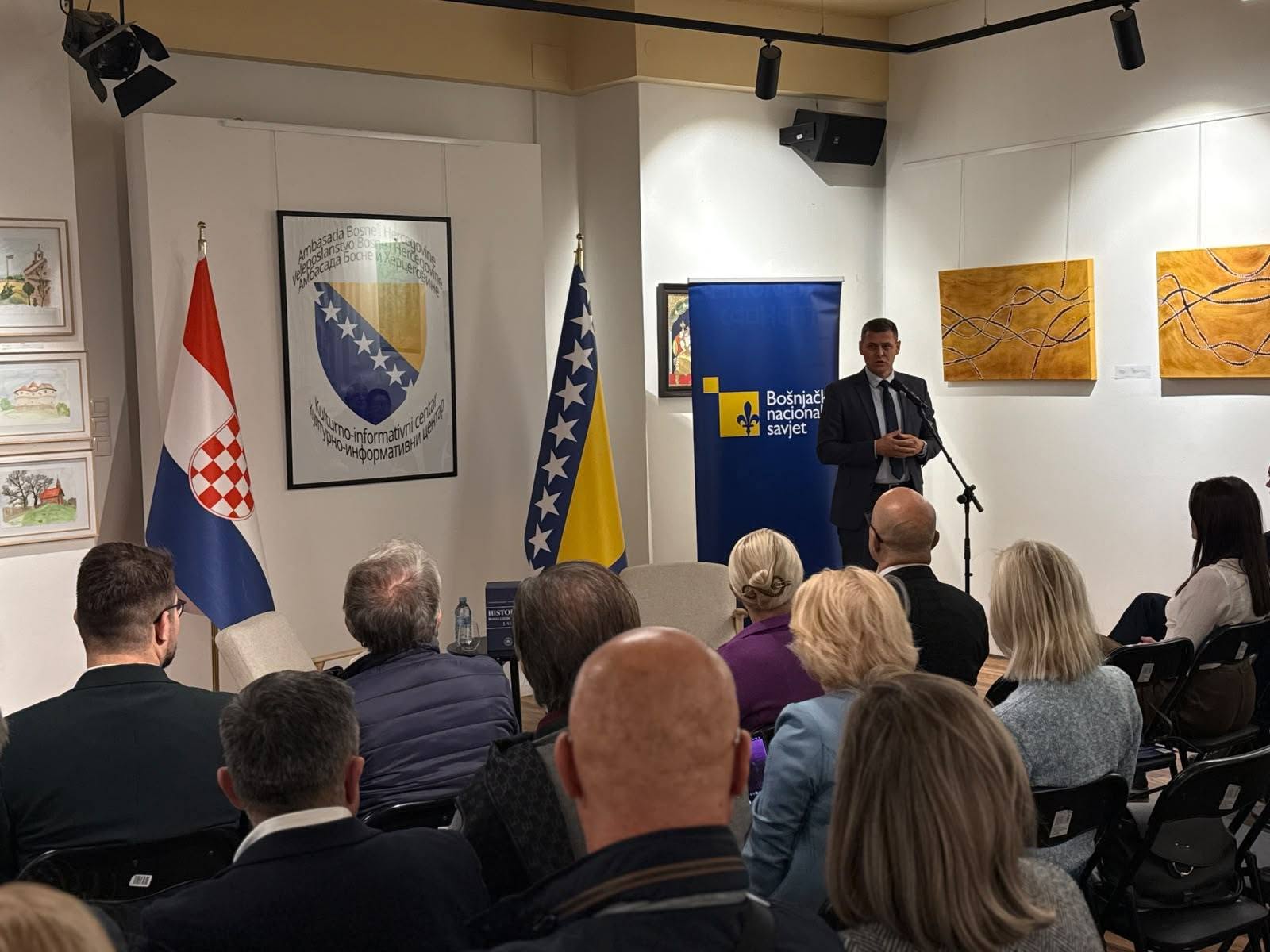
The History of Bosnia and Herzegovina in six volumes, a capital edition of the Institute of History of the University of Sarajevo, was presented on 8 November 2026 at the Cultural and Information Center of the Embassy of Bosnia and Herzegovina in Zagreb.
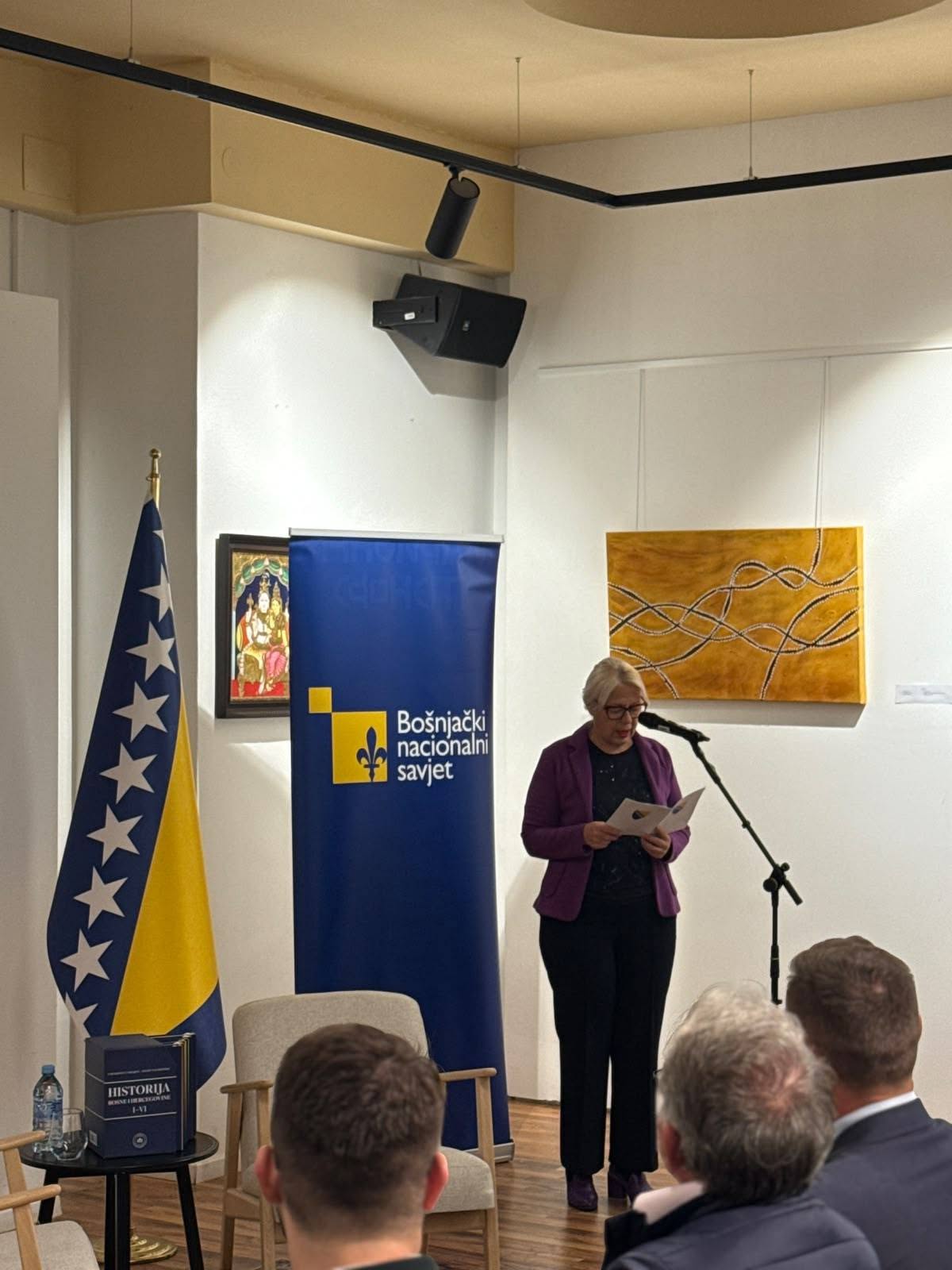
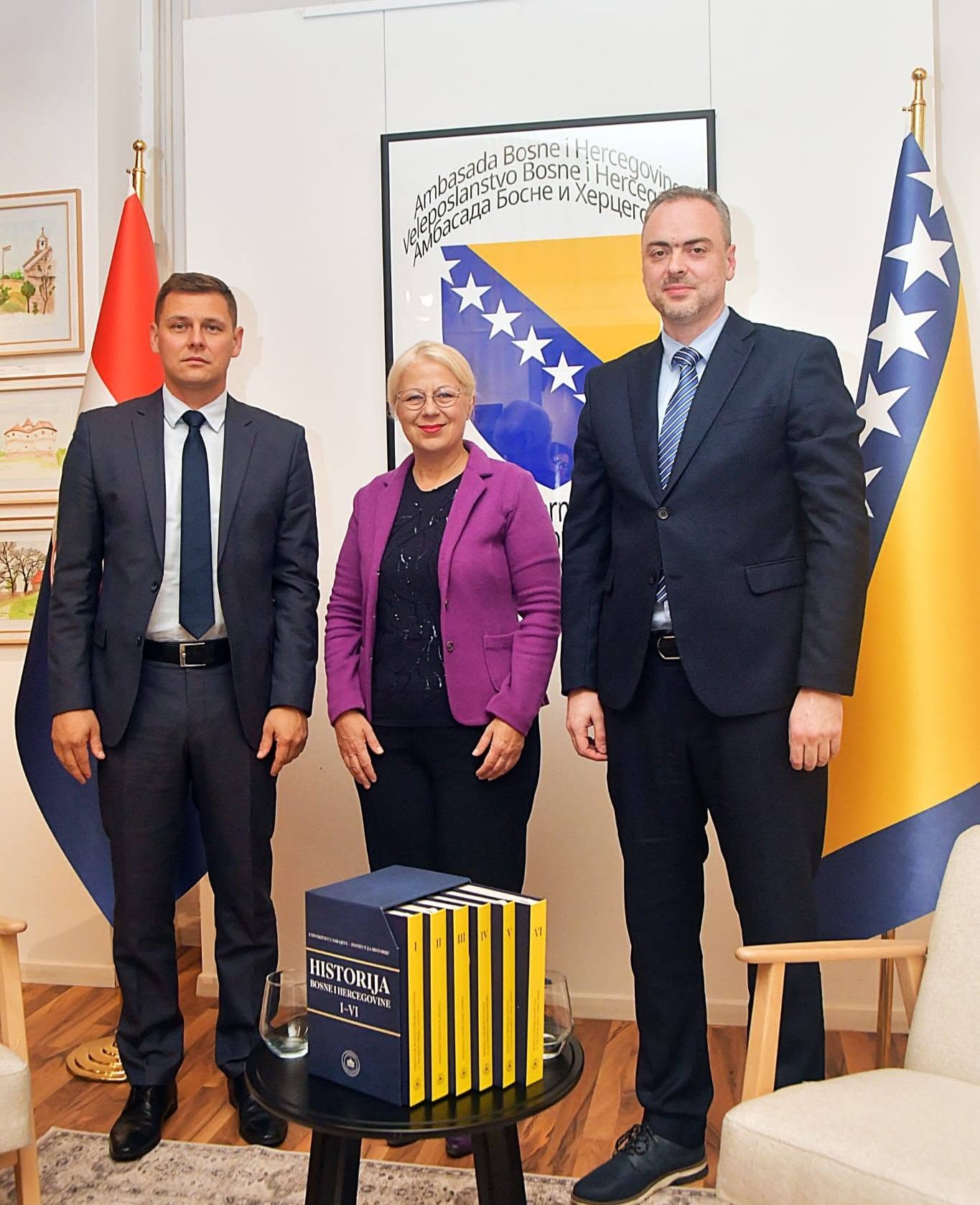
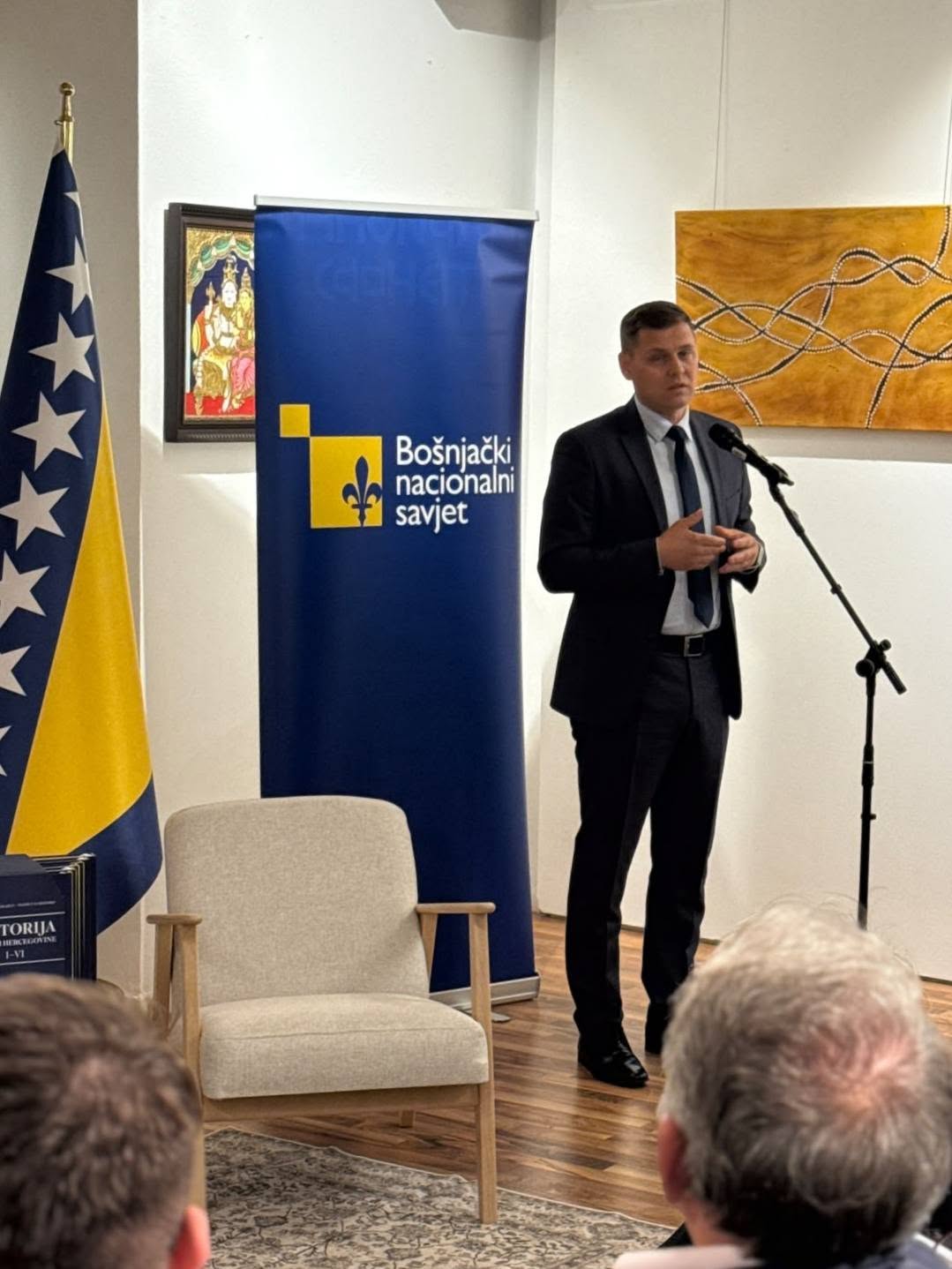
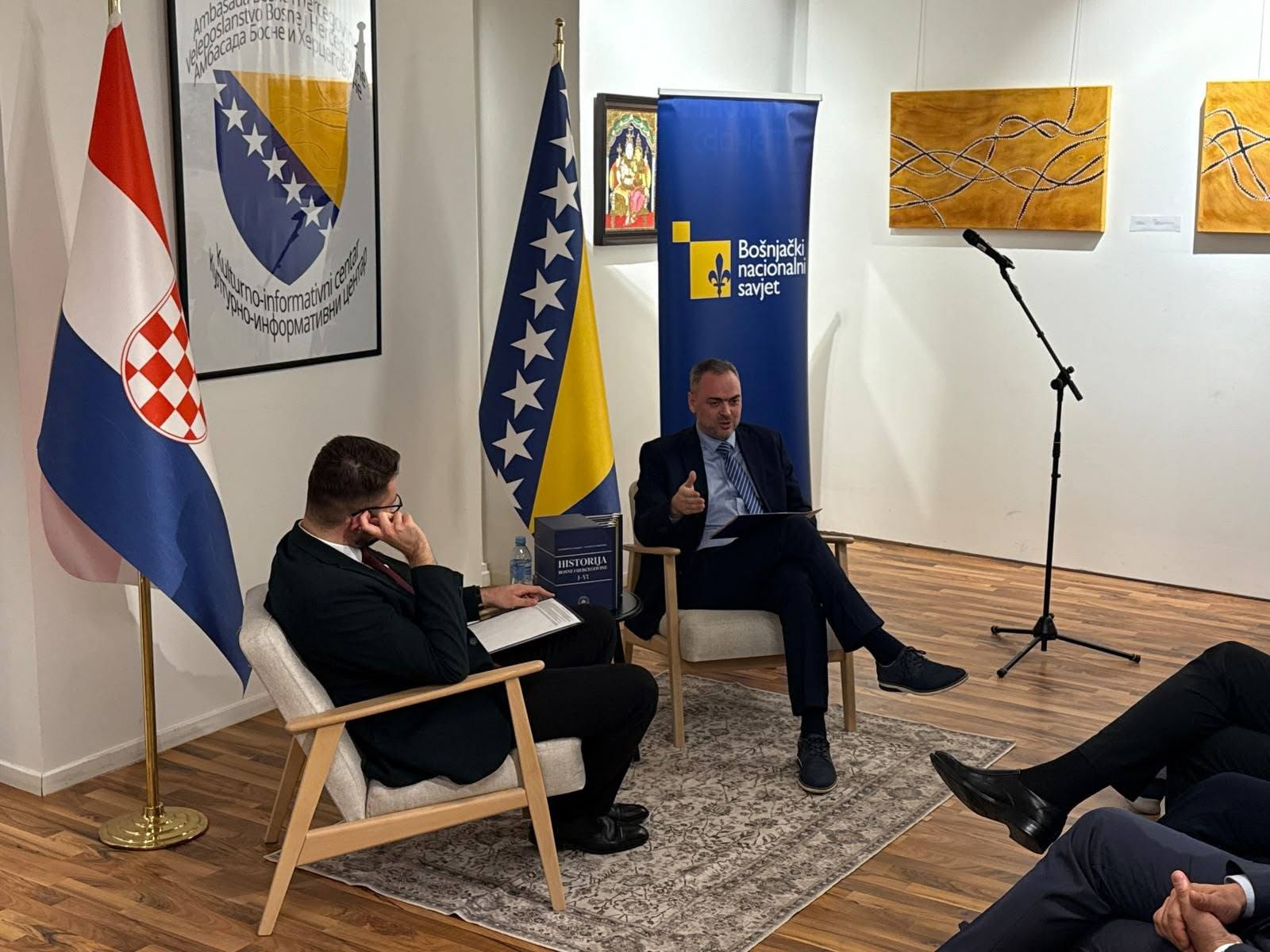
The event was attended by the Ambassador of Bosnia and Herzegovina to the Republic of Croatia, Elma Kovačević-Bajtal, the adviser to the Minister of Foreign and European Affairs of the Republic of Croatia, Domagoj Knežević, the president of the Bosniak National Council, Bermin Meškić, and numerous other guests.
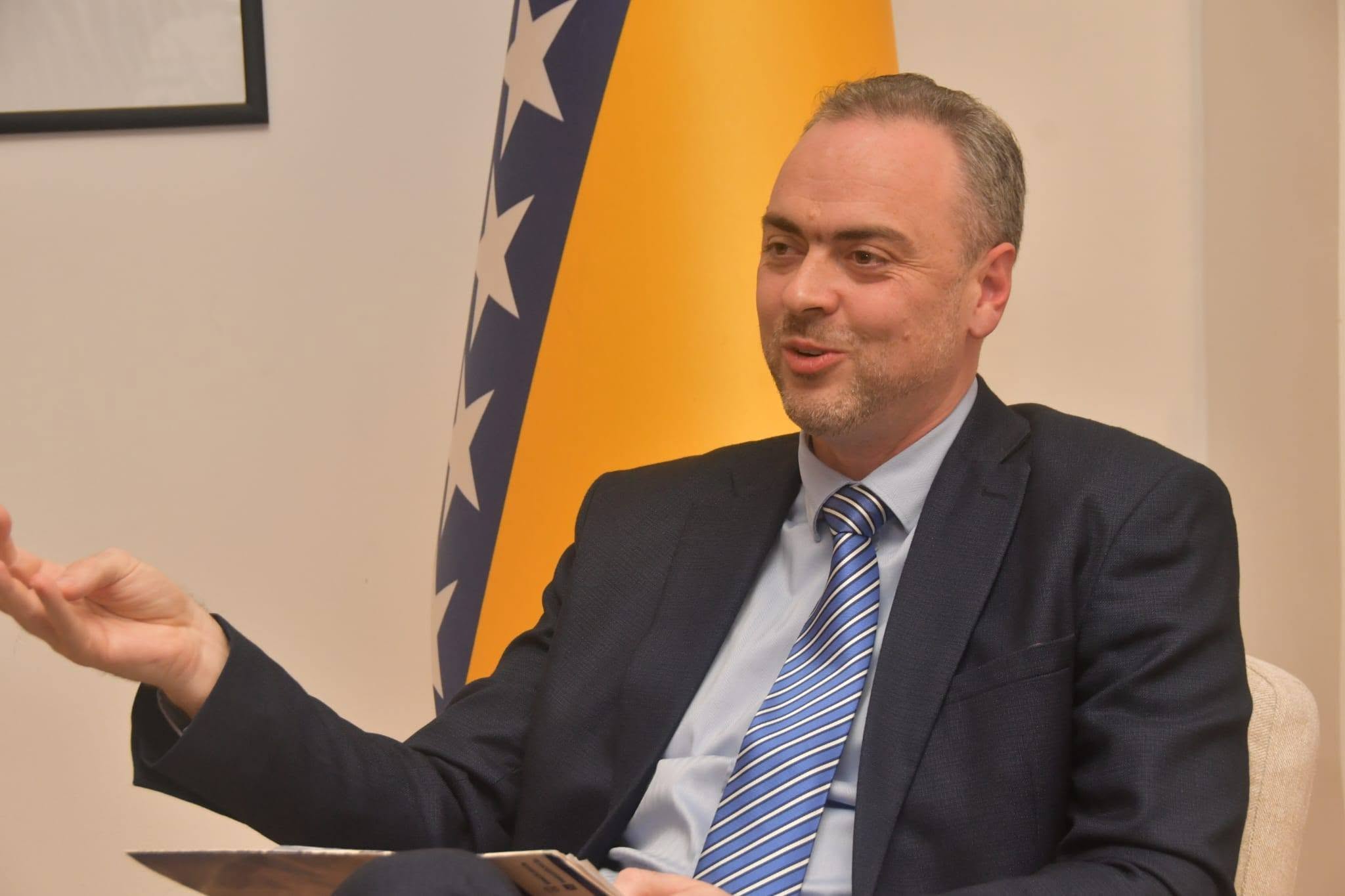
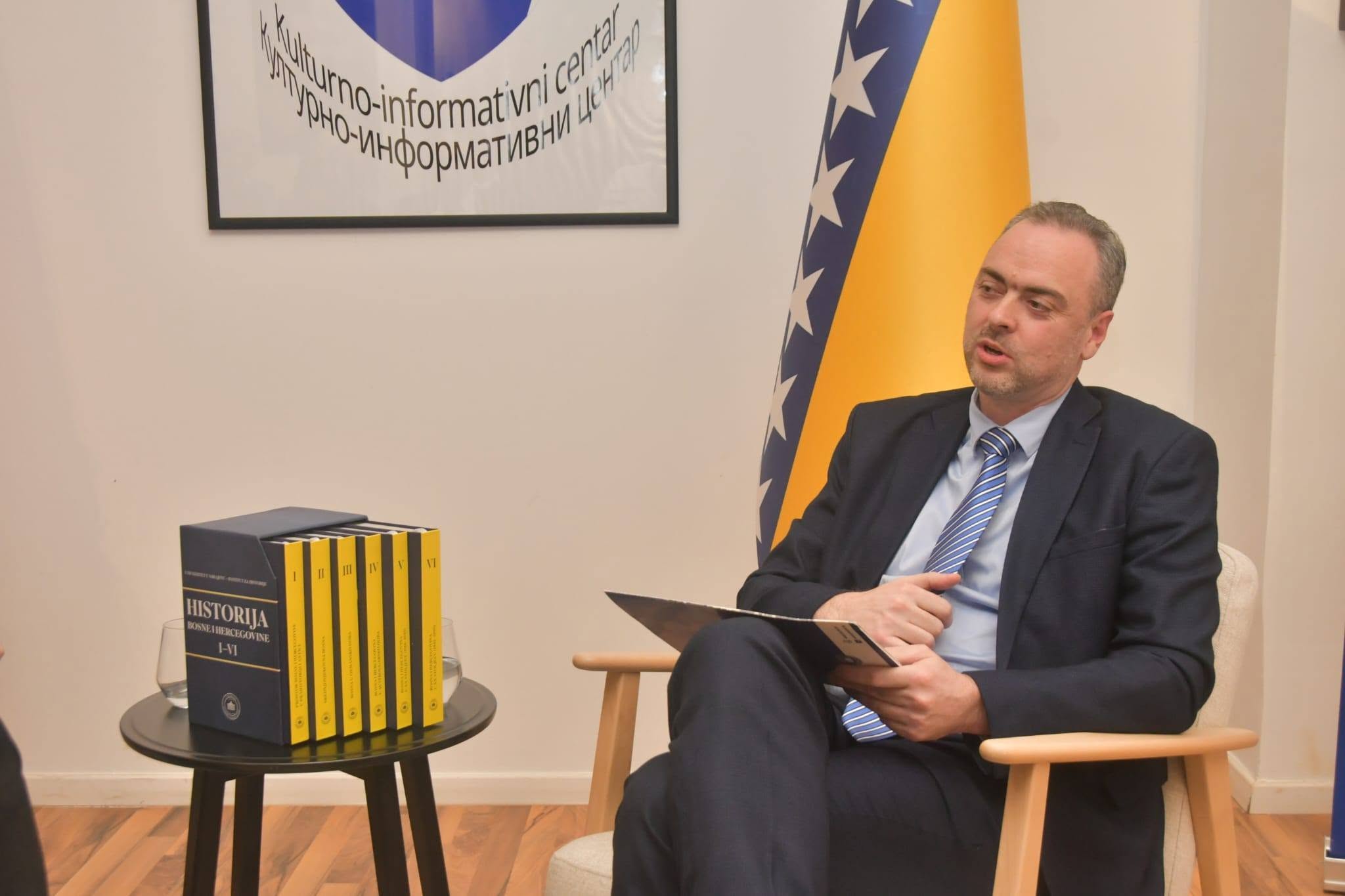
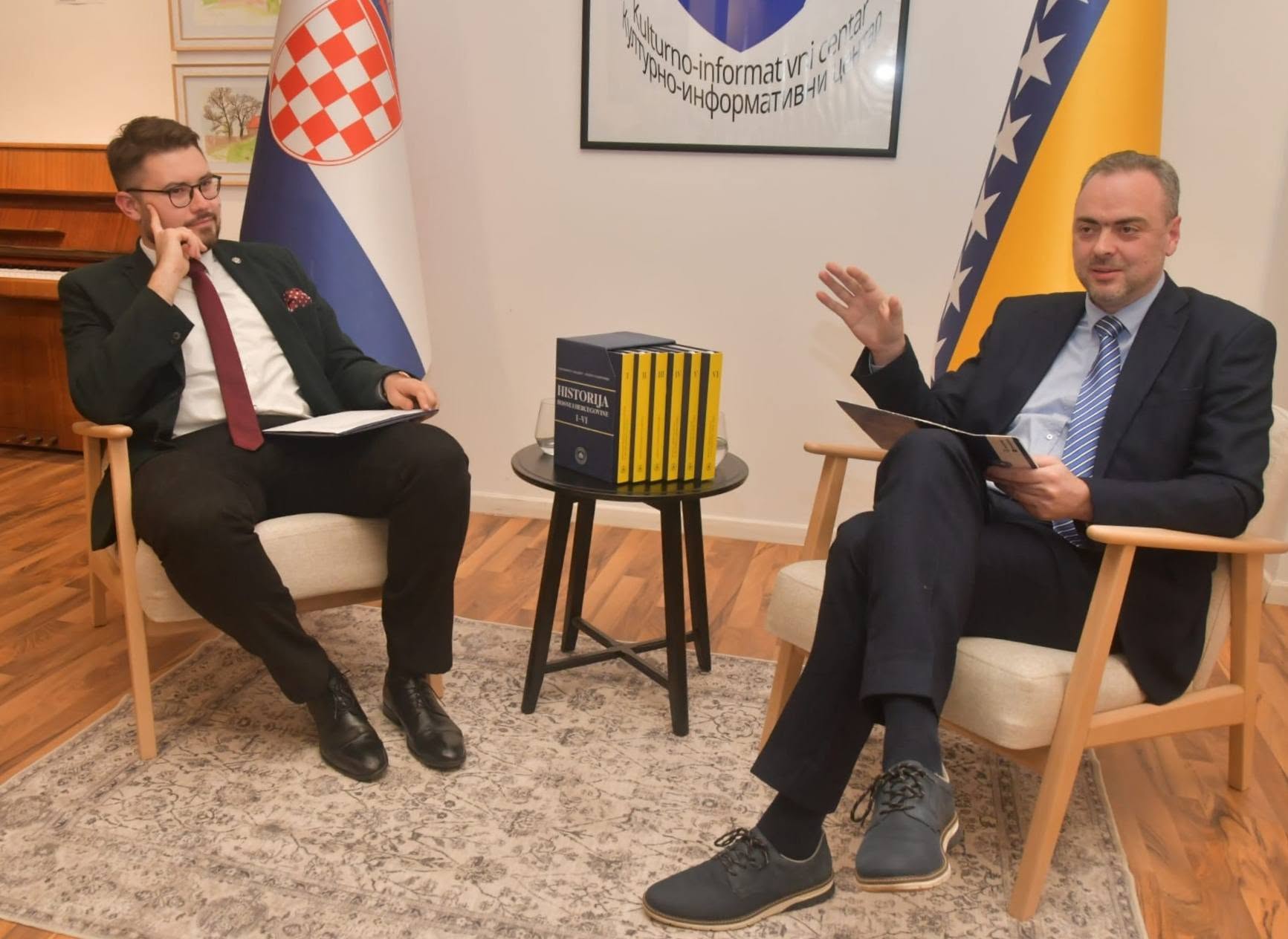
The promotion took the form of a conversation between Dr. Sedad Bešlija, the Institute's director and the edition's editor-in-chief, and the moderator, Davud Mešinović, MA in history, and covered the reasons for launching the project, its genesis and goals, the organization of the editorial and authorial team and the process by which this extensive scholarly work came into being. Dr. Bešlija recalled earlier unsuccessful attempts to produce a complete history of Bosnia and Herzegovina, pointing out that this generation of historians had succeeded in realizing that demanding undertaking, bringing together 47 scholars holding doctorates from Bosnia and Herzegovina, among them historians and experts of various profiles. He particularly emphasized the commitment to having the work written by domestic historians, with consistent respect for scholarly criteria and a Bosniacentric research perspective, and singled out organizational discipline, clearly set deadlines and the authors' readiness to realize the project with limited financial resources as important preconditions for its success. Speaking about the results, he stressed that the History is not merely a synthesis of existing scholarly findings but also brings the results of new archival research, thereby contributing significantly to the understanding of Bosnia and Herzegovina's past.
A special part of the conversation was devoted to the challenges in preparing and finalizing the edition, particularly the harmonization of different authorial styles and scholarly approaches, as well as the resolution of disagreements among authors, reviewers and the editorial team. As an illustration of the complexity of this process, Bešlija cited the debate over Richard Holbrooke's claims regarding an alleged 1995 statement by U.S. President Bill Clinton that the U.S. would bomb units of the Army of the RBiH and the HVO if they continued their offensive toward Banja Luka, which the author of one chapter assessed as untrue.
The discussion also covered the reception the edition has received so far in the scholarly and wider public, its significance for domestic historiography, the Institute's further plans, and the key historical facts and processes this edition presents. At the end, the audience had the opportunity to ask questions and join the conversation.
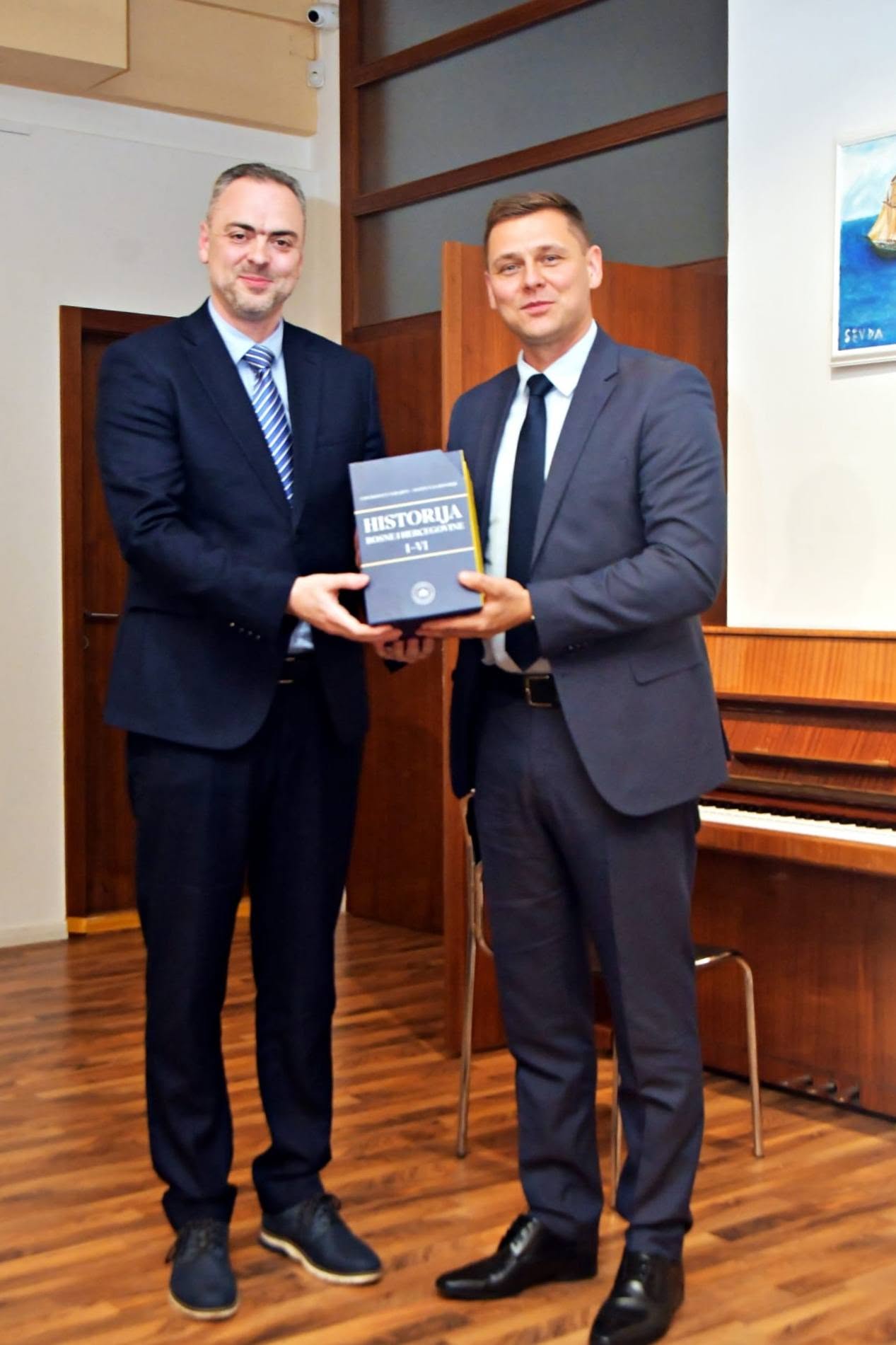
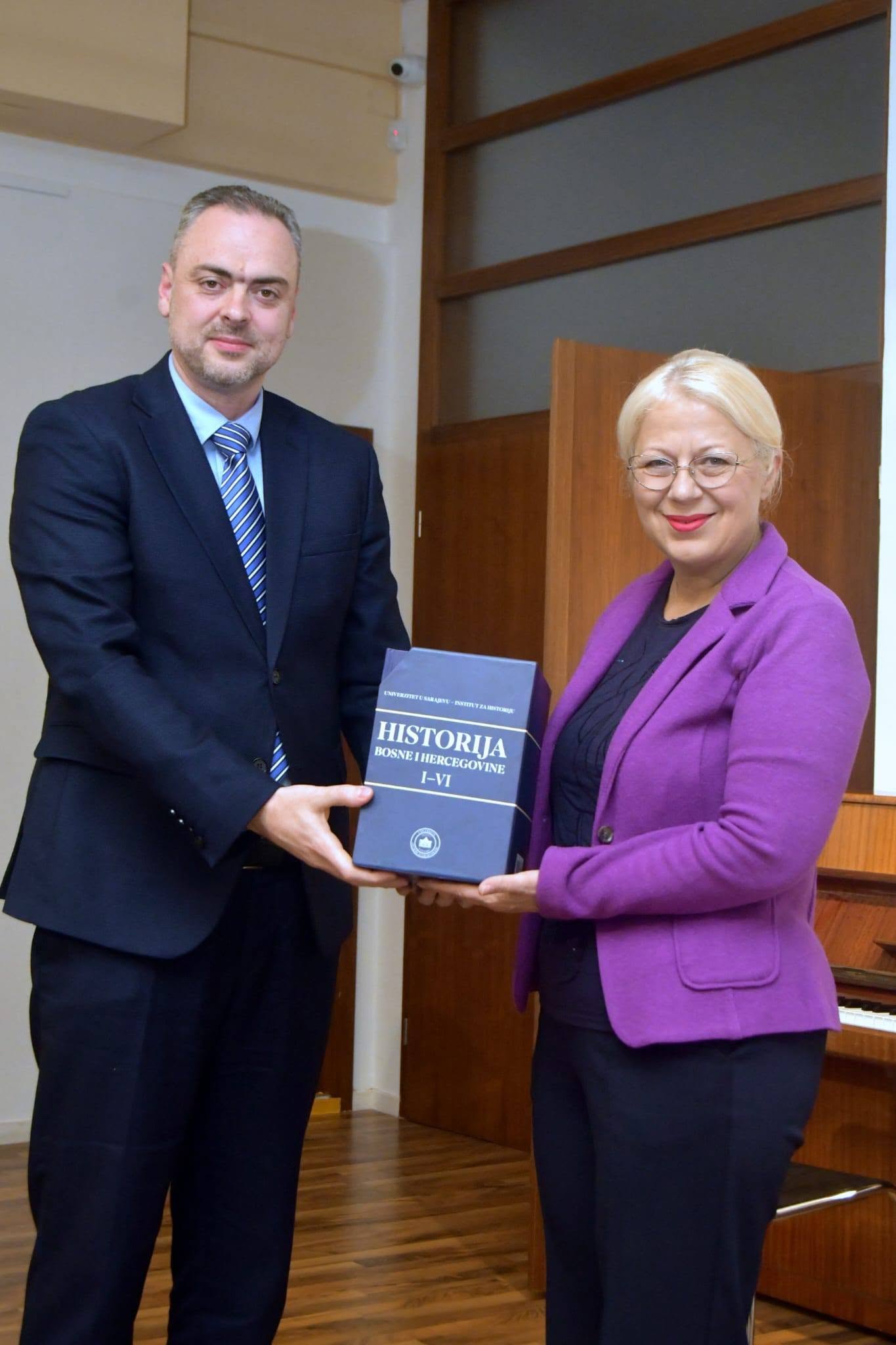
Dr. Bešlija pointed out that the Zagreb presentation is the 17th promotion of this edition and the third promotion of the History of Bosnia and Herzegovina organized outside our country's borders. At the end of the program, the Institute's director presented a copy of the edition to the Embassy of Bosnia and Herzegovina in Croatia and to the Bosniak National Council in gratitude for the initiative and the invitation to hold the promotion.