Scientific Symposium Held: “Serbia and Bosnia in Contemporary Perspectives: Alongside the Books by Marko Attila Hoare, 'Serbia: A Modern History' and 'The History of Bosnia: From the Middle Ages to the Present Day'“
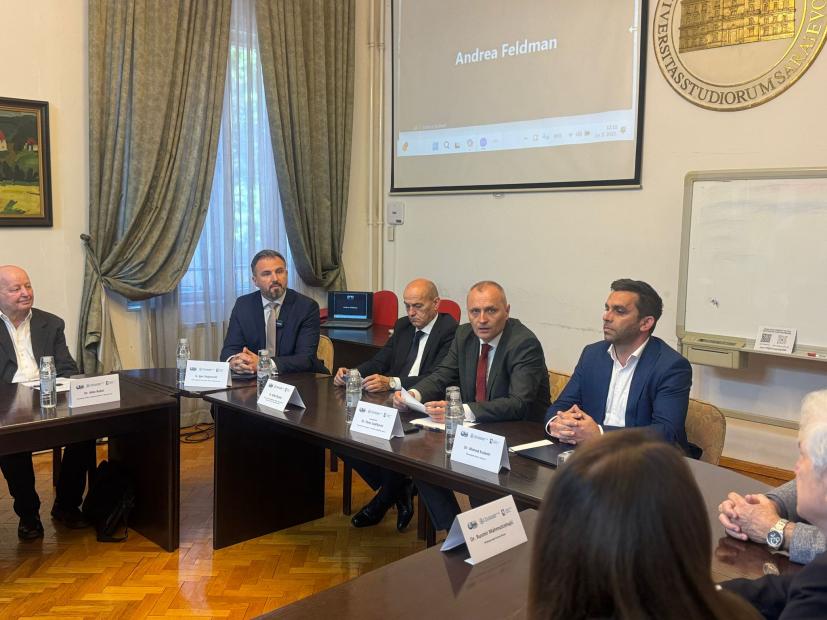


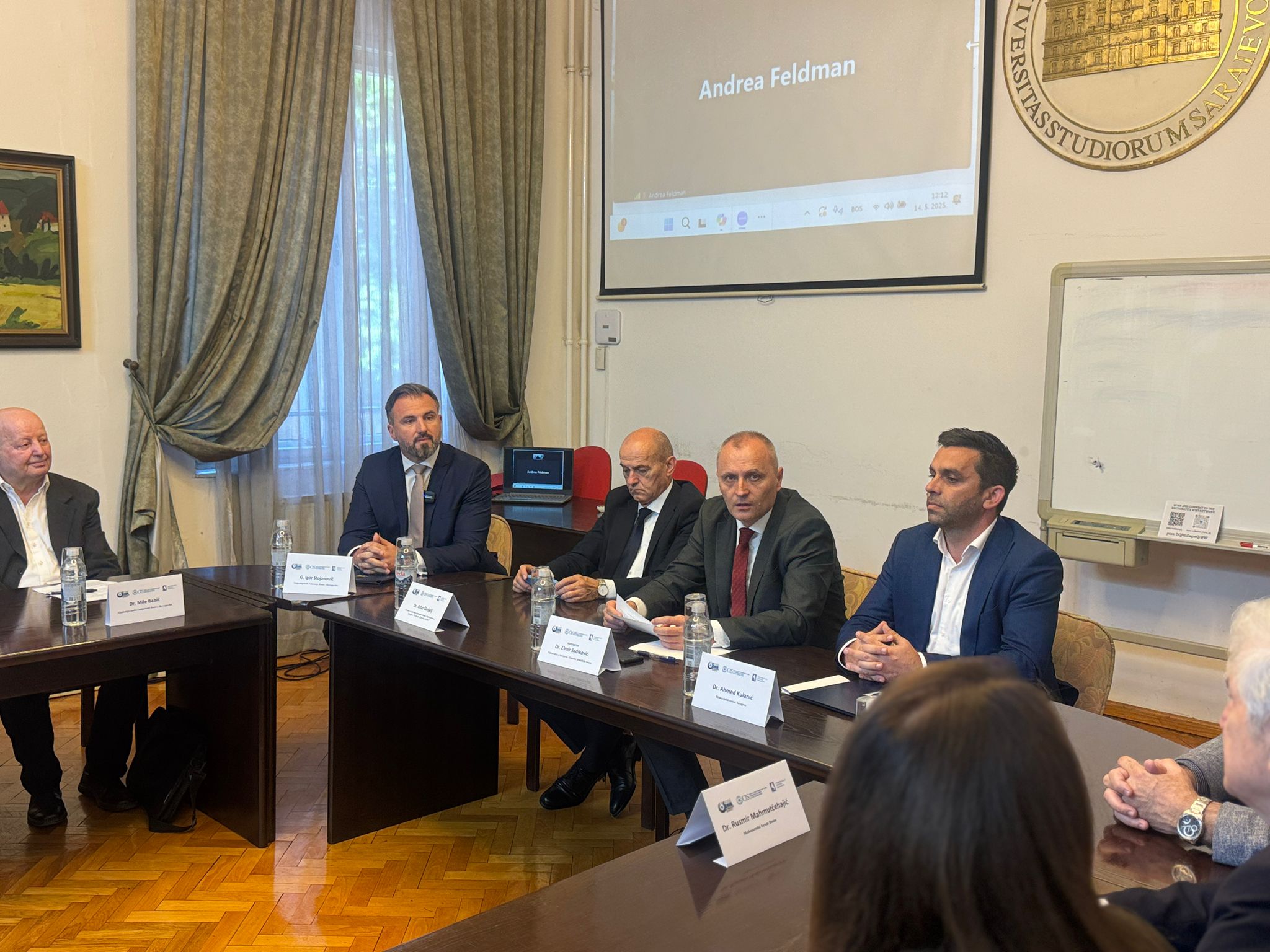
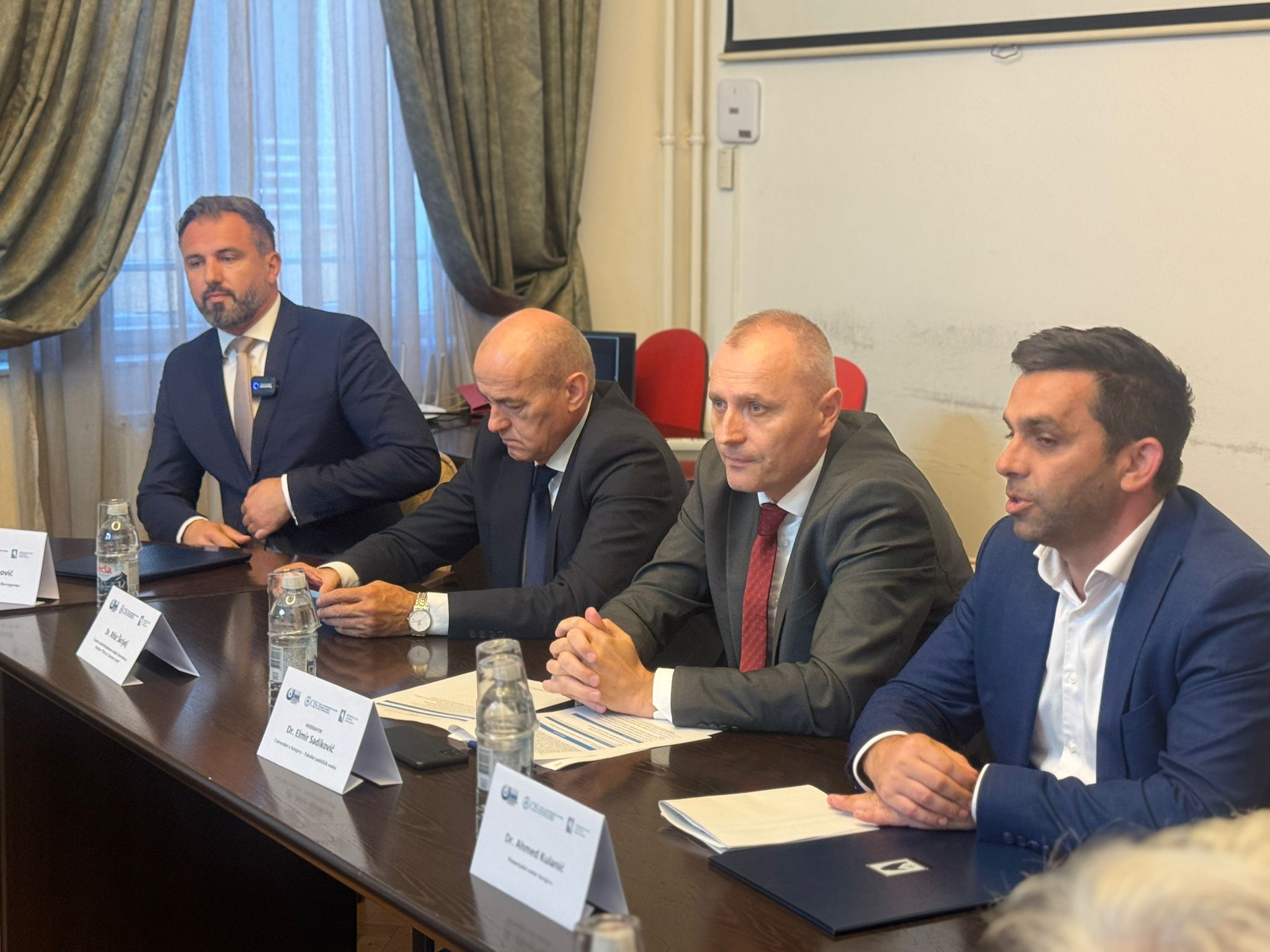
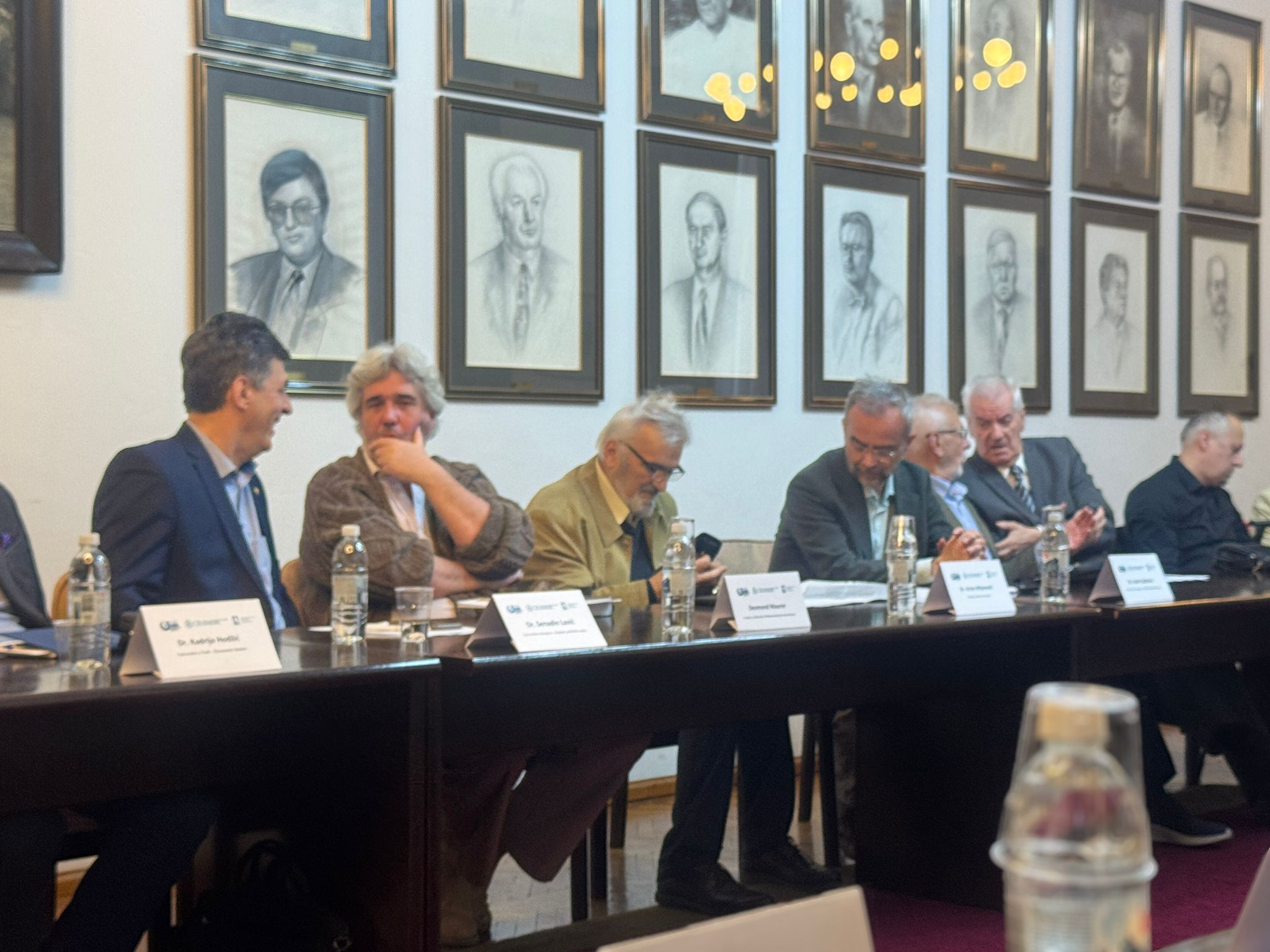
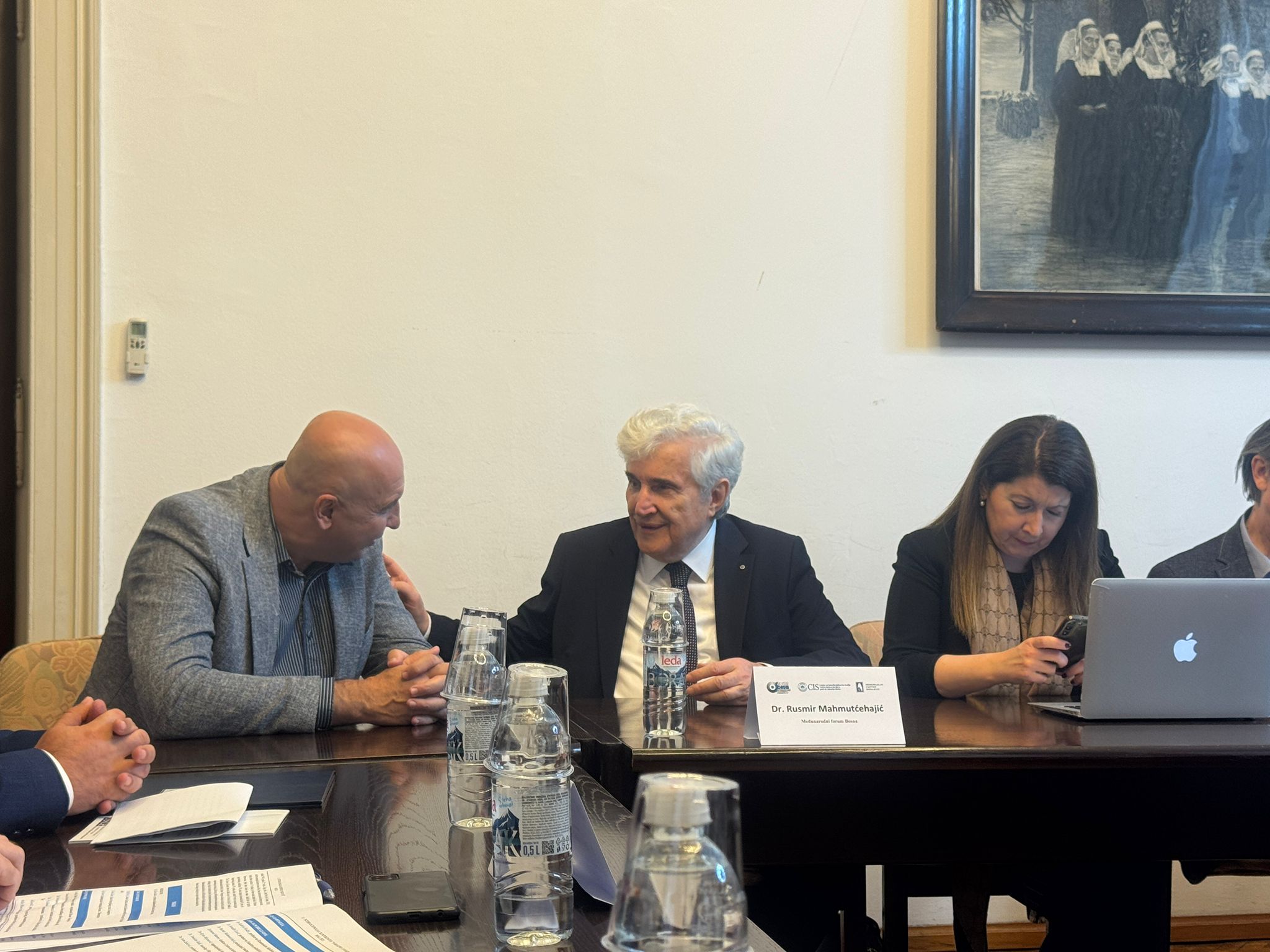
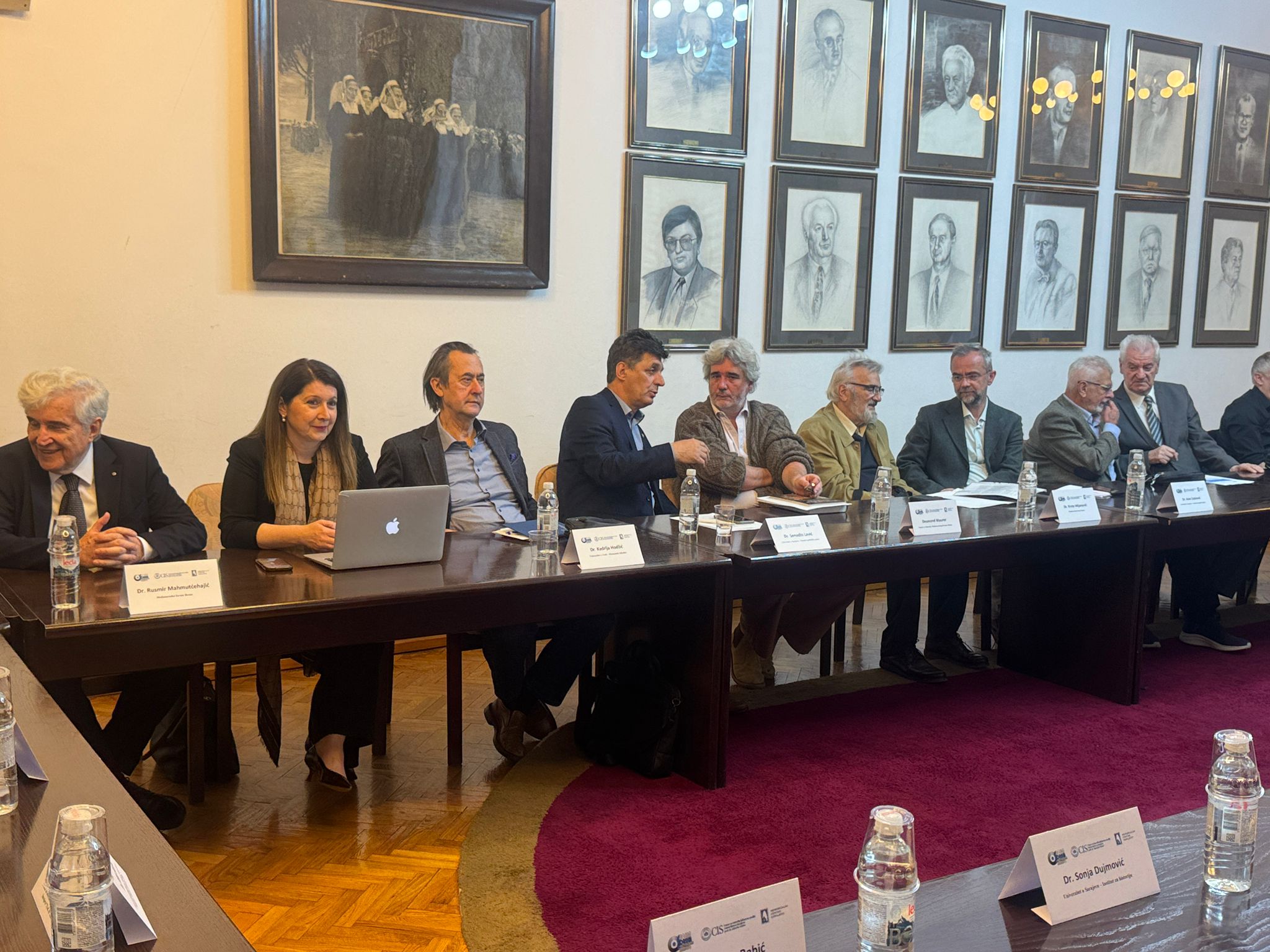
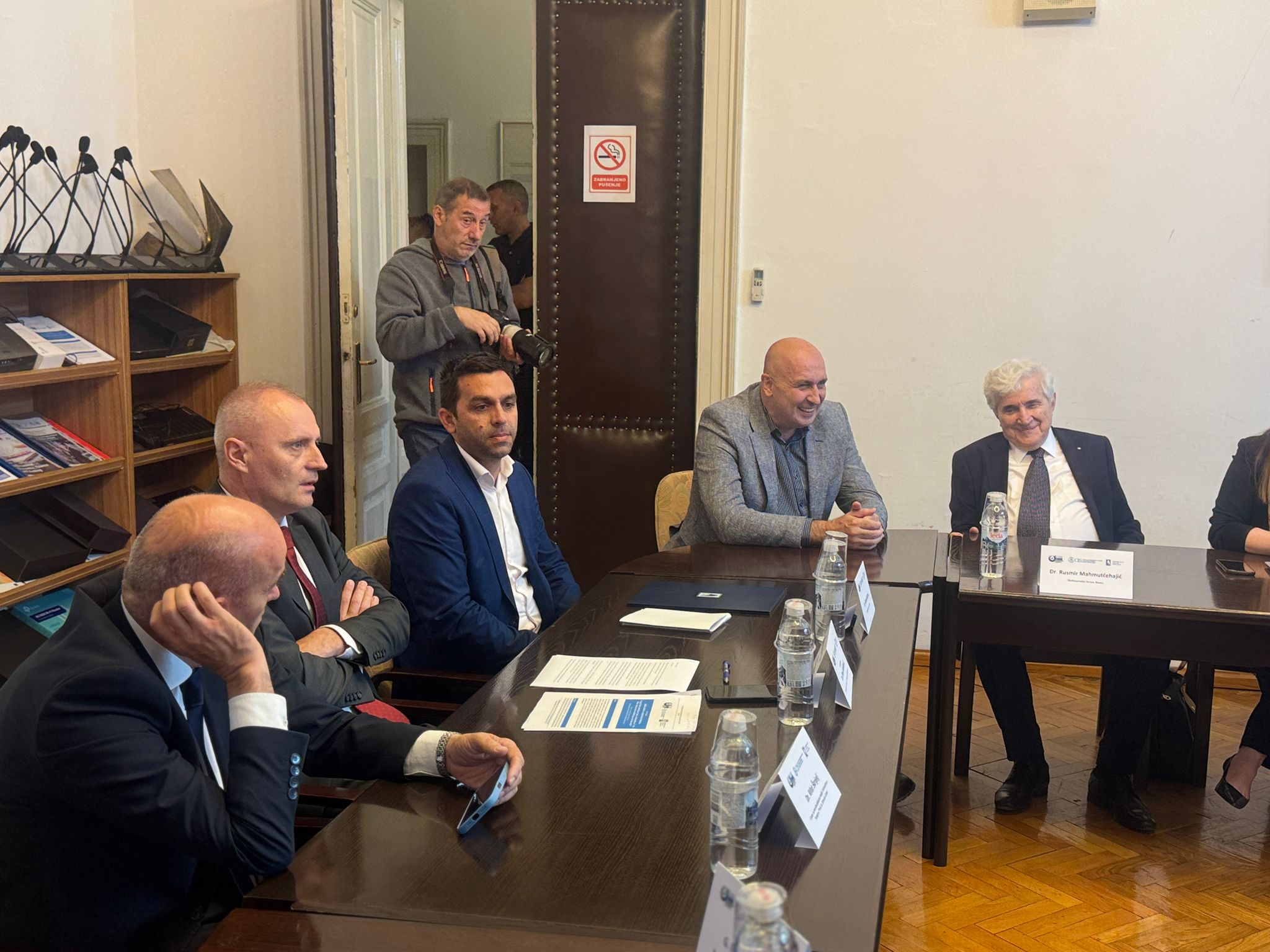
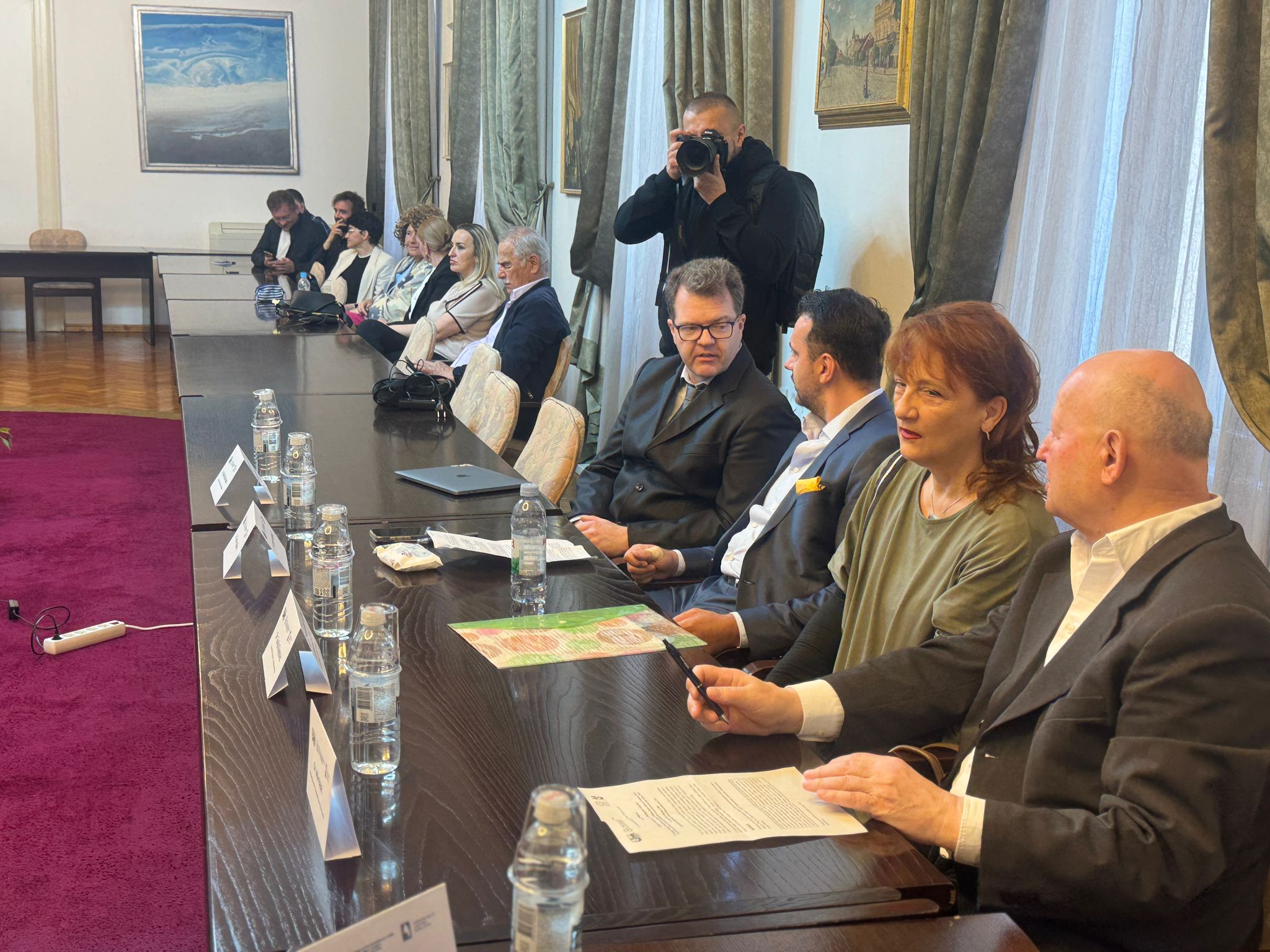
The International Forum Bosnia, the Sarajevo Memorial Center, and the Center for Interdisciplinary Studies at the University of Sarajevo, “Prof. Dr. Zdravko Grebo,” in cooperation with the International Academy of Sciences and Arts in Bosnia and Herzegovina and the City of Sarajevo, organized the scientific symposium Serbia and Bosnia in Contemporary Perspectives: Alongside the Books by Marko Attila Hoare, ‘Serbia: A Modern History’ and ‘The History of Bosnia: From the Middle Ages to the Present Day’. The symposium was held on 14 May 2025, in the Senate Hall of the University of Sarajevo Rectorate.
Although the speakers pointed to different perspectives in the history of relations between Bosnia and Serbia, there is a consensus that these relations—crucial for the future of both countries—must be re-examined through scientific research and dialogue. In the past relations between these two inseparable state entities, there was a lack of necessary mutual respect and, consequently, dialogue as a prerequisite for cooperation and the strengthening of trust.
Participants of the gathering were welcomed by Mr. Rifat Škrijelj, Director of the Center for Interdisciplinary Research at the University of Sarajevo, “Prof. Dr. Zdravko Grebo,” Mr. Ahmed Kulanić, Director of the Sarajevo Memorial Center, Mr. Igor Stojanović, Vice President of the Federation of Bosnia and Herzegovina, and Mr. Omer Osmanović, Minister in the Government of the Sarajevo Canton. They emphasized the importance of this and similar academic gatherings.
Professor Mile Babić, philosopher and theologian, based on fundamental principles of modern theories of justice and related implementations of state orders, pointed out hegemonistic pretensions towards Bosnia as a civilizational distance from the good experiences of the world and efforts for a better political future globally, and also highlighted Marko Attila Hoare’s books in illuminating the current state and its roots in long-standing denial of Bosnia’s historical subjectivity.
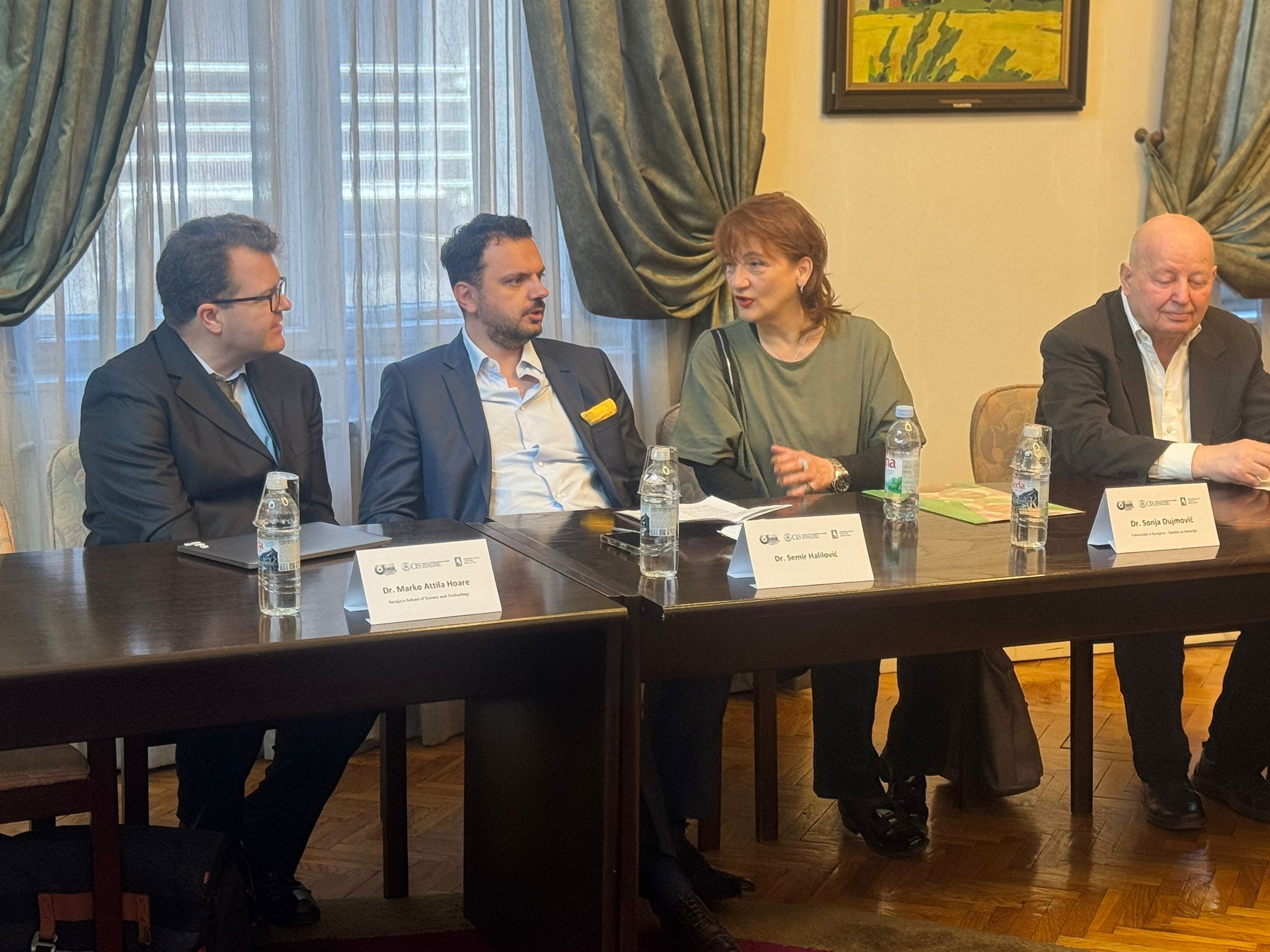
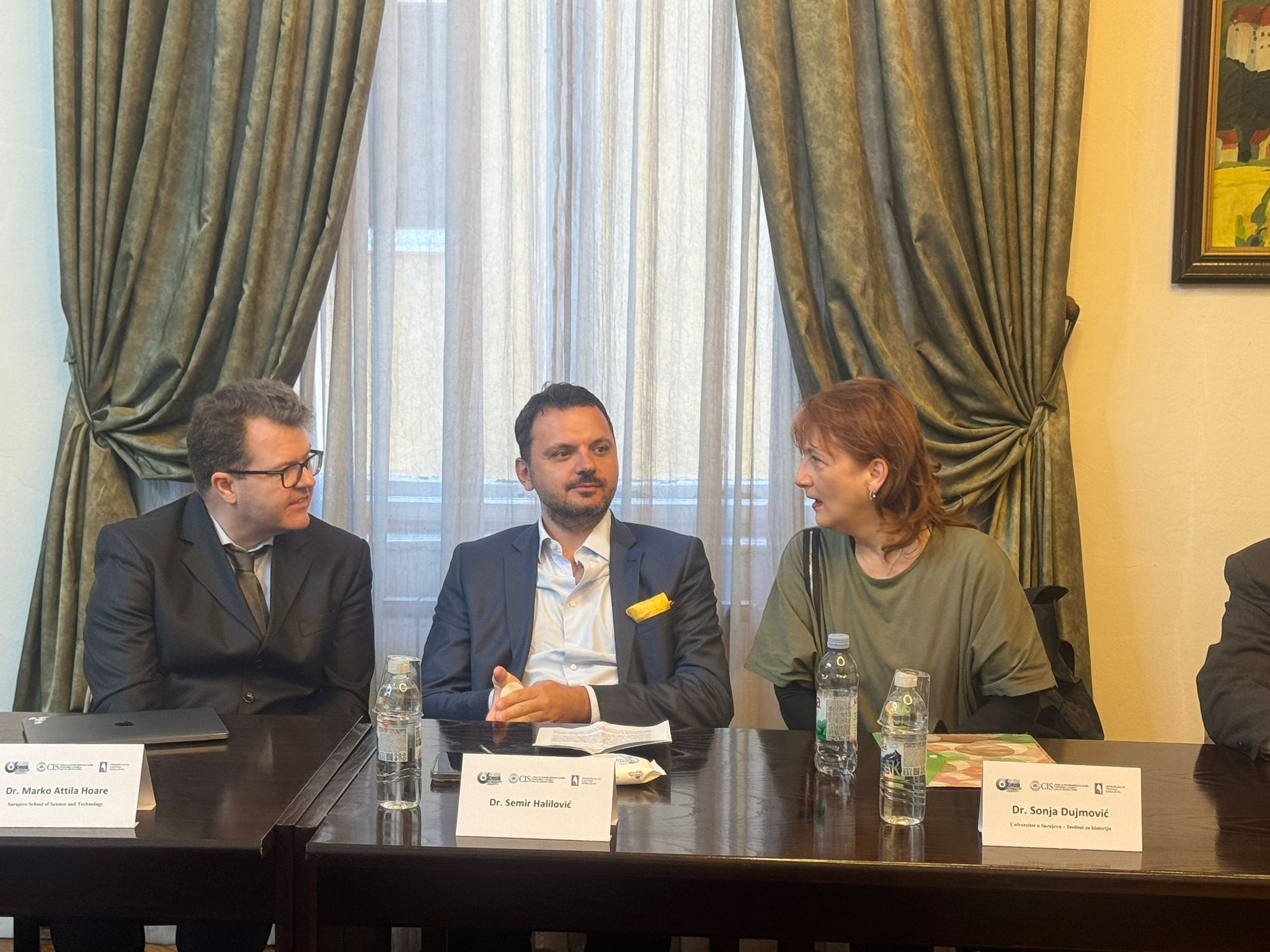
Sonja Dujmović, senior research associate at the Institute for History at the University of Sarajevo, highlighted the most common prejudiced interpretations of the relations among ethno-national elites in the context of the states that have held sovereignty since 1992—namely Bosnia and Herzegovina, Serbia, Montenegro, and Croatia. She pointed out the key points of divergence among Serbian elites in Bosnia and Herzegovina regarding their attitudes toward the centralist and hegemonistic pretensions of Serbian elites from Serbia.
Andrea Feldman, historian and full professor at the Faculty of Education at the University of Zagreb, considers that Marko Attila Hoare’s engagement with Bosnia—and thus the history of Southeast Europe—is not only a successful scientific endeavor but also a moral response to widespread false portrayals of the historical, cultural, and political subjectivities in the four countries: Bosnia and Herzegovina, Serbia, Montenegro, and Croatia. According to her, Marko Attila Hoare has already secured himself a status as an exceptionally important and recognized historian in deconstructing ideologically based narratives about the history of Bosnia.
Semir Halilović, sociologist and political scientist, Bosnian diplomat, critically analyzed the absence of a Bosnian subjectivity that would assume responsibility for the protection and development of Bosnia and Herzegovina as crucial for building a better future for all its people. He convincingly spoke about the anesthesia of most academic opinion regarding betrayals and abuses of political responsibility by ruling elites, both past and present. Regarding Marko Attila Hoare’s books, he sees them as an important contribution to understanding issues involved in his critique of the current state of Bosnian politics.
Sonja Biserko, President of the Helsinki Committee for Human Rights in Serbia and researcher of global geopolitical developments, concludes that Marko Attila Hoare strongly defends the legitimacy of a united Bosnian state and a civic, inclusive identity. His approach is both scientific and morally engaged, aiming to counter denial and revisionism.
Professor Marko Attila Hoare, historian and author of The History of Bosnia and Serbia: A Modern History, spoke about the motivations behind his engagement with the Bosnian issue. He emphasized that it is clear that the geopolitical space of Southeast Europe cannot be reduced to any form of limitation—ethnic or state-based—or understood solely within the European vision of the future without considering real subjectivities. He believes that the history of this region has largely been shaped by the denial of ethnic, religious, and cultural differences. Changing this state of affairs is a prerequisite for better futures for all current states. As long as they are trapped in hegemonistic images of history, in imaginary completions, threatening tensions among them cannot be eliminated.
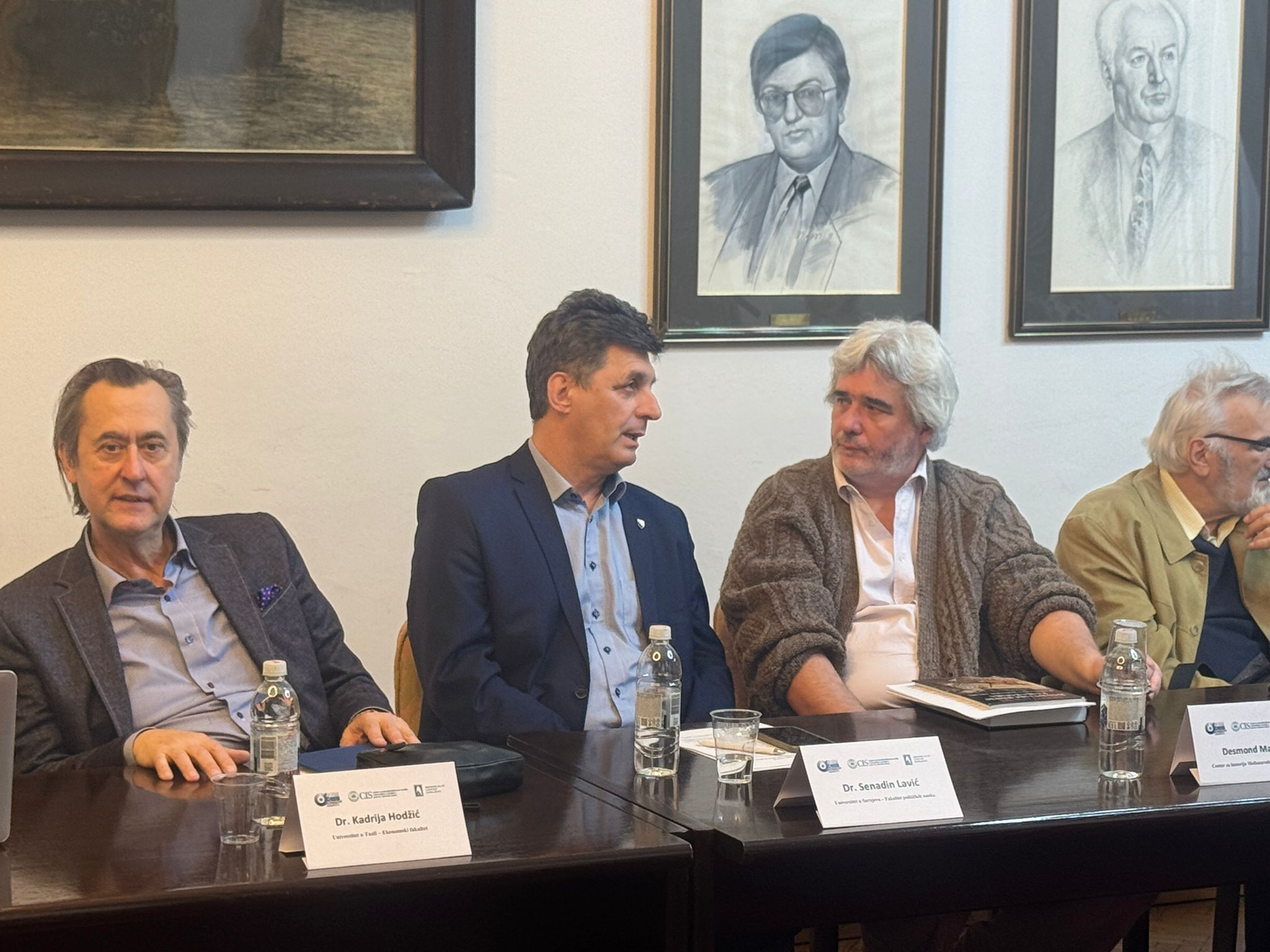
Professor Kadrija Hodžić, economist and politician, discussed in his presentation the ways of constructing and depicting otherness in ethno-national ideologies. He stressed the importance of understanding long-standing insistence on portraying Slavic Muslims as political and theological outsiders, which he considers the ideological basis of criminal endeavors carried out against that part of the population, present in the history and culture of all Balkan countries.
Professor Senadin Lavić, sociologist and political philosopher, based on his years of research, convincingly summarized the most important contents of denial of Bosnia and Bosnianhood as civilizational contents. He pointed to numerous anti-Bosnian pseudo-historiographical constructions that lack proper scientific research and responses. He believes it is the responsibility of the Bosnian academic community to strengthen critical research relations toward everything Bosnian, which is a prerequisite for liberation from being subject to others and to a nation with unclear self-awareness.
Professor Asim Zubčević, historian and theologian, based on his experiences during his stays at universities in India and the United Kingdom, highlighted the lack of historiographical portrayals of Bosnia and its people. Even when such portrayals exist, he notes, they are mostly ideologically based images of others, in which Bosnia, its history, and culture are destroyed in the service of hegemonistic relations of elites from Serbia and Croatia. Such images, though unscientific, are accepted as truth, and evidence for them is often found in literary imaginings and populist justifications of violence, he concludes.
Academic Rusmir Mahmutćehajić, scientist and philosopher, president of the International Forum Bosnia, pointed out that in observing past, present, and potential future developments in Bosnian society and its state, a foundation can be the recognized genocide. This fact—conclusively proven—represents the culmination of the last war against Bosnia and everything it embodies. Paradoxically, proof of this is also the denial of that crime, vigorously carried out by the ruling elites of Serbia and their affiliates in Bosnia and worldwide. He emphasizes that the genocidal elites, organizations, and perpetrators are well-documented in court rulings. However, the genocidal ideology of anti-Bosnianism still remains outside clear academic perspectives. It is alive, with a long history, and also a threat to the future, he concludes.
Desmond Maurer, philologist and historian, spoke about the Bosnian question in the perspectives of other regions’ histories—namely the United Kingdom and, especially, the relationships among its historical and cultural actors—England, Scotland, and Ireland. He pointed out that only through different insights into the relations among the actors of social pluralism in all Southeast European countries, especially in Bosnia as a central issue of the region, can constructive change in current social barriers be ensured.
Professor Krsto Mijanović, scientist and social activist, discussed phenomena that have long influenced the shaping of Bosnian Serb subjectivity in relation to the Serbian Orthodox Church. Mijanović believes that the Serbian Orthodox Church, due to extrachurch influences and incorporation of non-Christian contents, has been prevented from asserting and strengthening its Christian mission. He considers that the atheistic contents of aggressive ideologies of the 20th century and their presence in the Yugoslav communist system alienated Serb identity entirely, including Bosnian Serb identity, from Christian ethics—imposing, often unconsciously, a burden of responsibility for destructive behaviors toward others and oneself.