Roundtable on Internal Evaluation Experiences and Expert Training Held at the University of Sarajevo
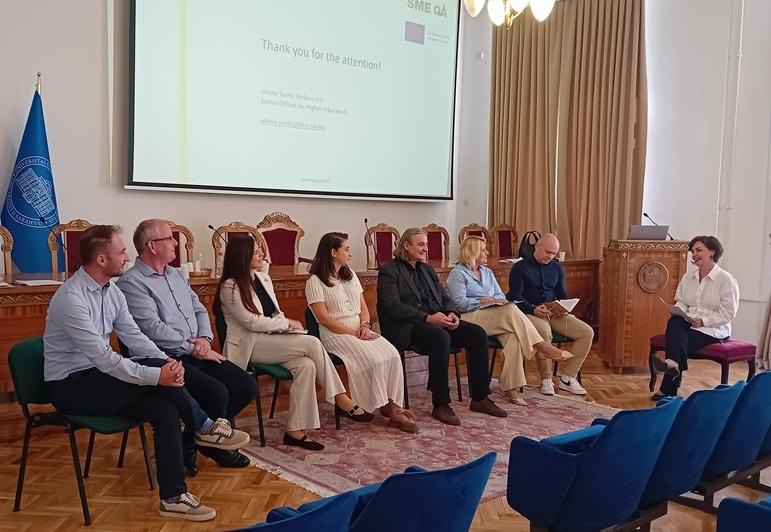


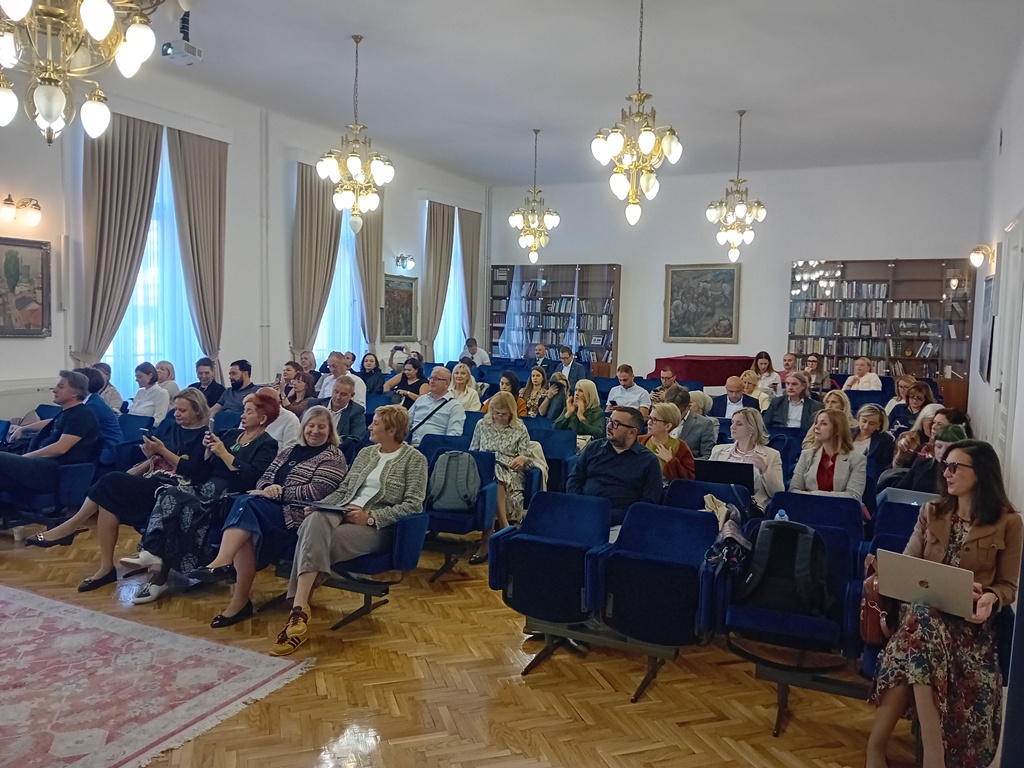
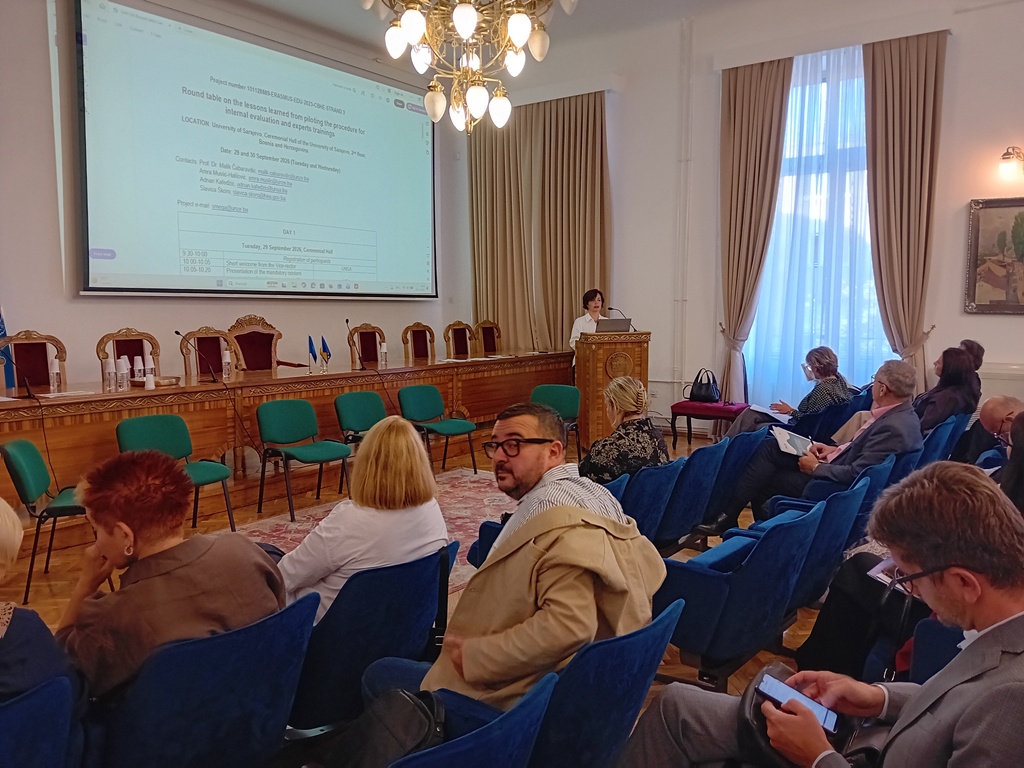
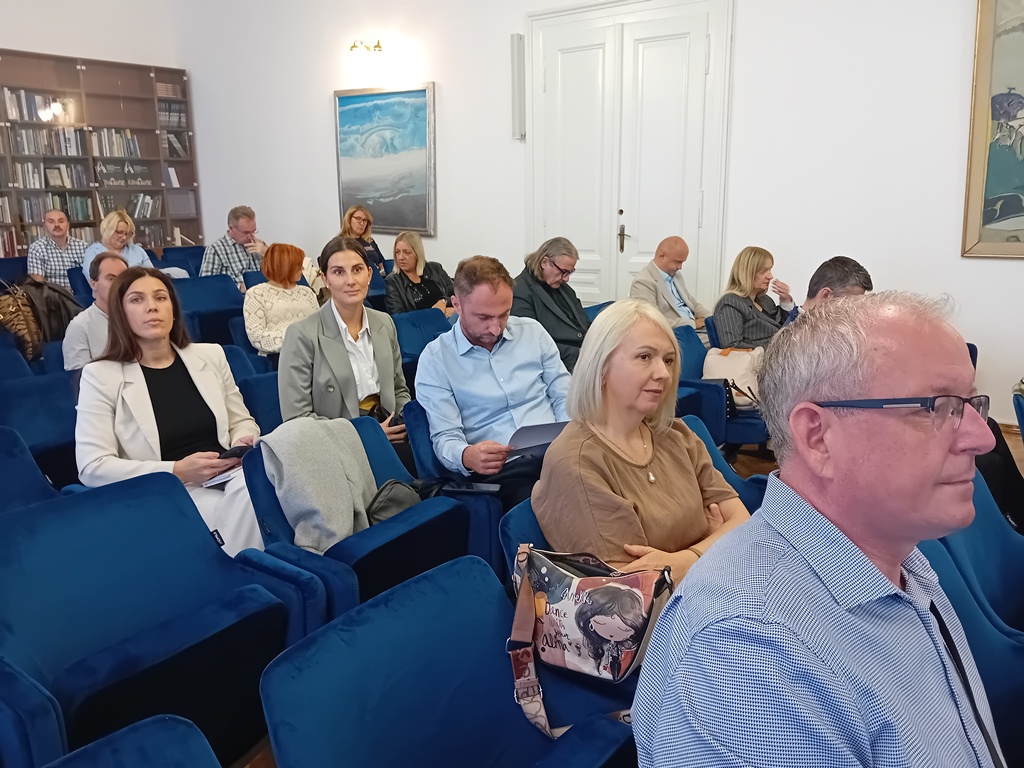
As part of the project Strengthening Capacities and Mechanisms for Enhancement of Quality Assurance System in Higher Education in Bosnia and Herzegovina (SMEQA), a two-day roundtable dedicated to experiences from the internal evaluation of study programs and the training of experts for external evaluation was held at the University of Sarajevo on 29 and 30 September 2026. The event brought together representatives of higher education institutions, competent authorities, and other stakeholders involved in quality assurance in higher education.
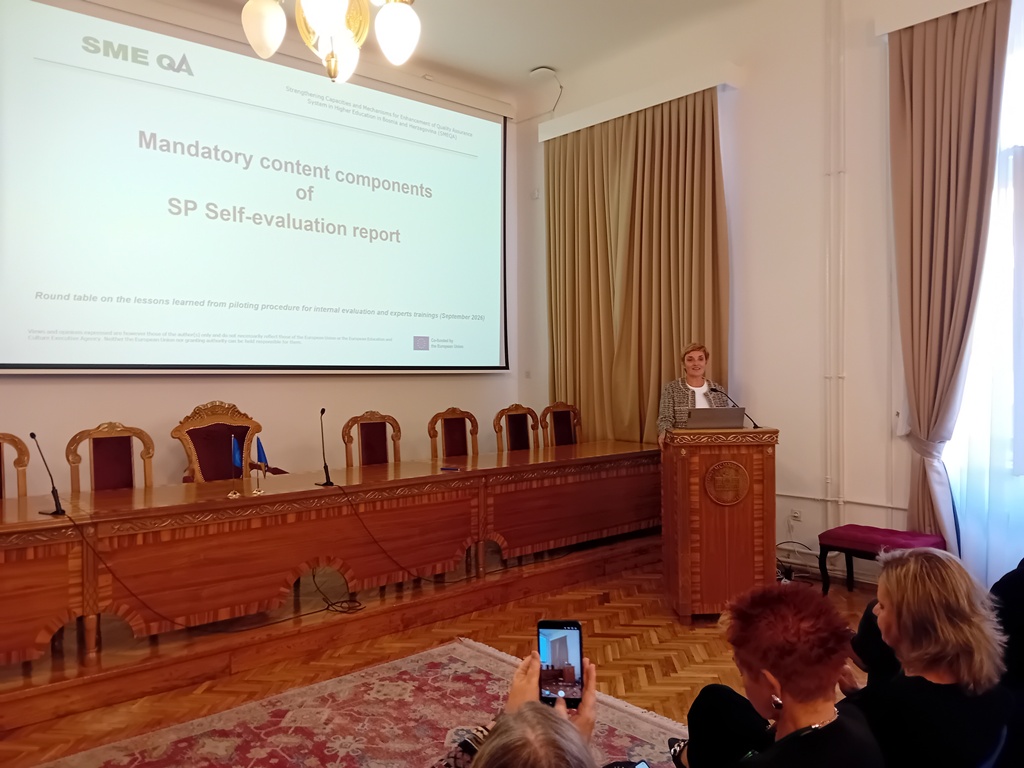
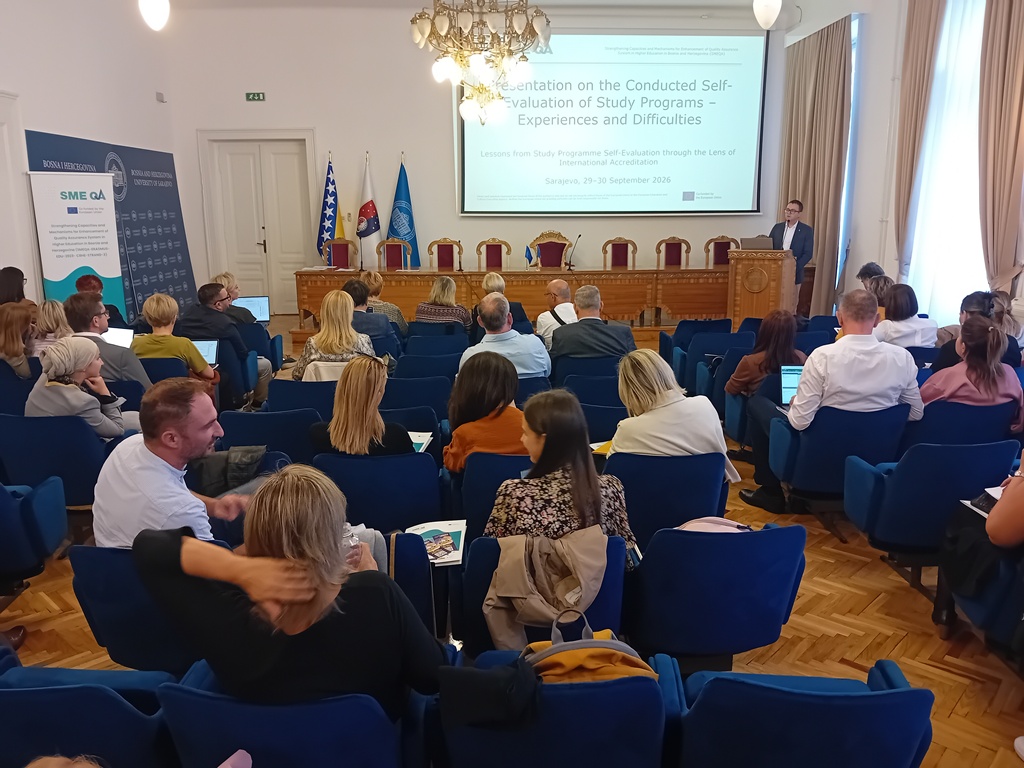
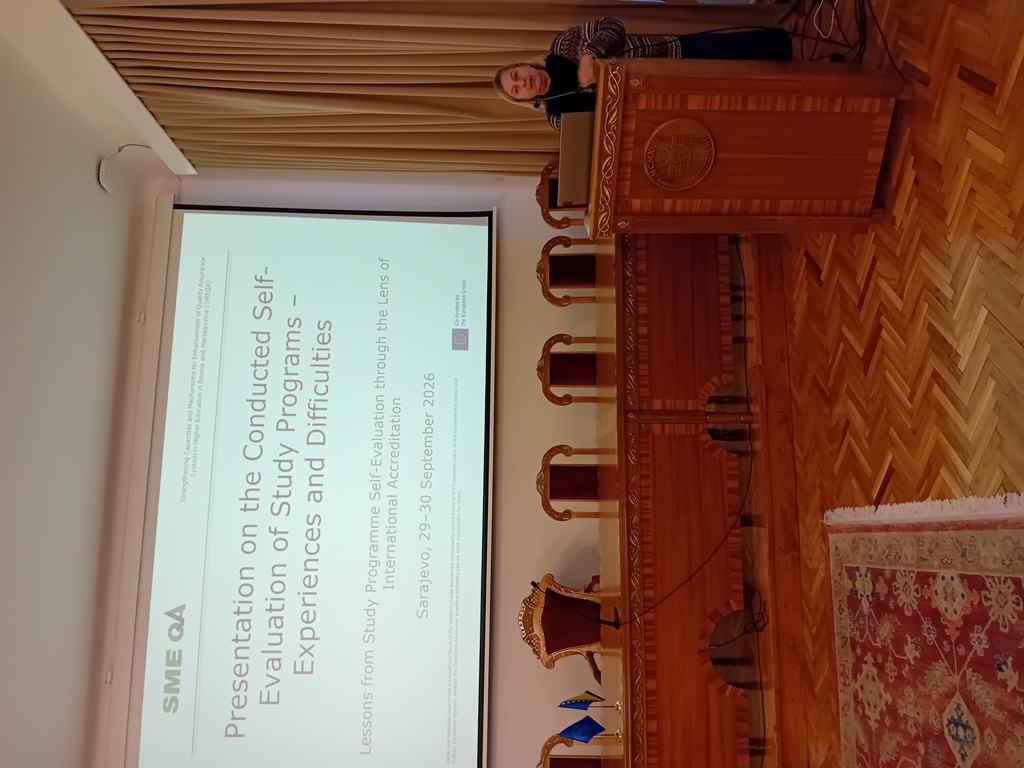
The first day was dedicated to the experiences gained during the piloting of the internal evaluation procedure. Following a presentation by the Agency for Development of Higher Education and Quality Assurance (HEA) on the mandatory content elements of self-evaluation reports for study programs, representatives of partner universities presented their experiences in conducting the self-evaluation of selected programs. Particular emphasis was placed on practical challenges and issues that require additional attention in the development and implementation of internal quality assurance mechanisms.
The program also included a presentation of the possibilities offered by the University’s information system, eUNSA. This was followed by a joint discussion on the results of the piloting of the internal evaluation procedure and possibilities for its further improvement.
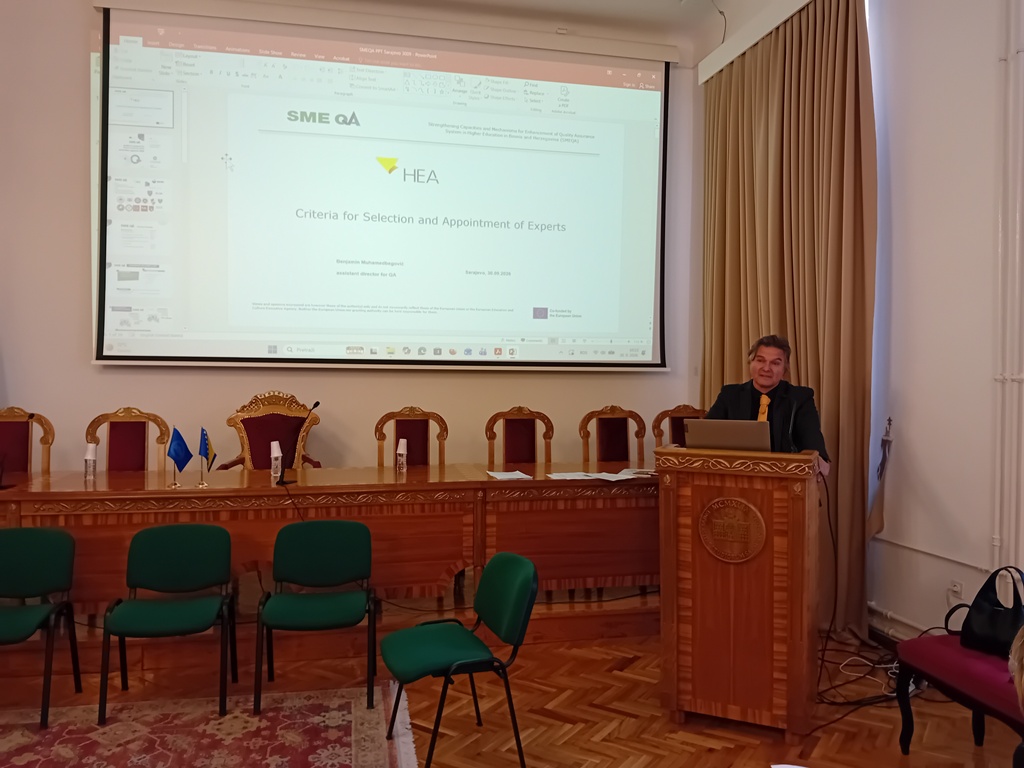
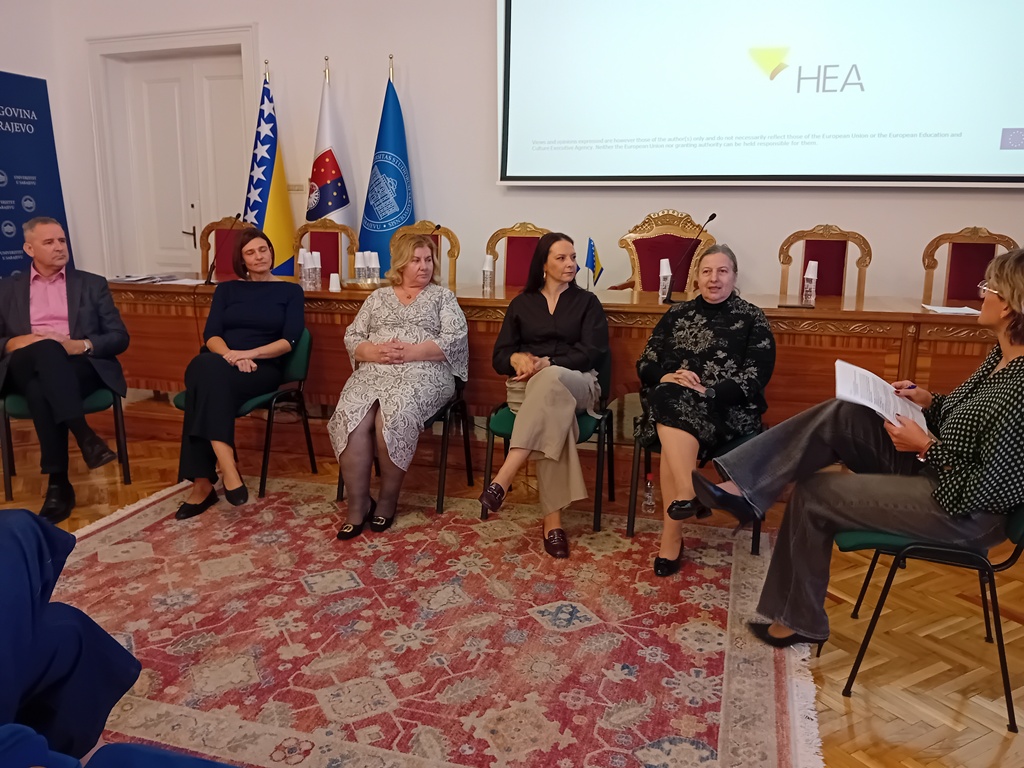
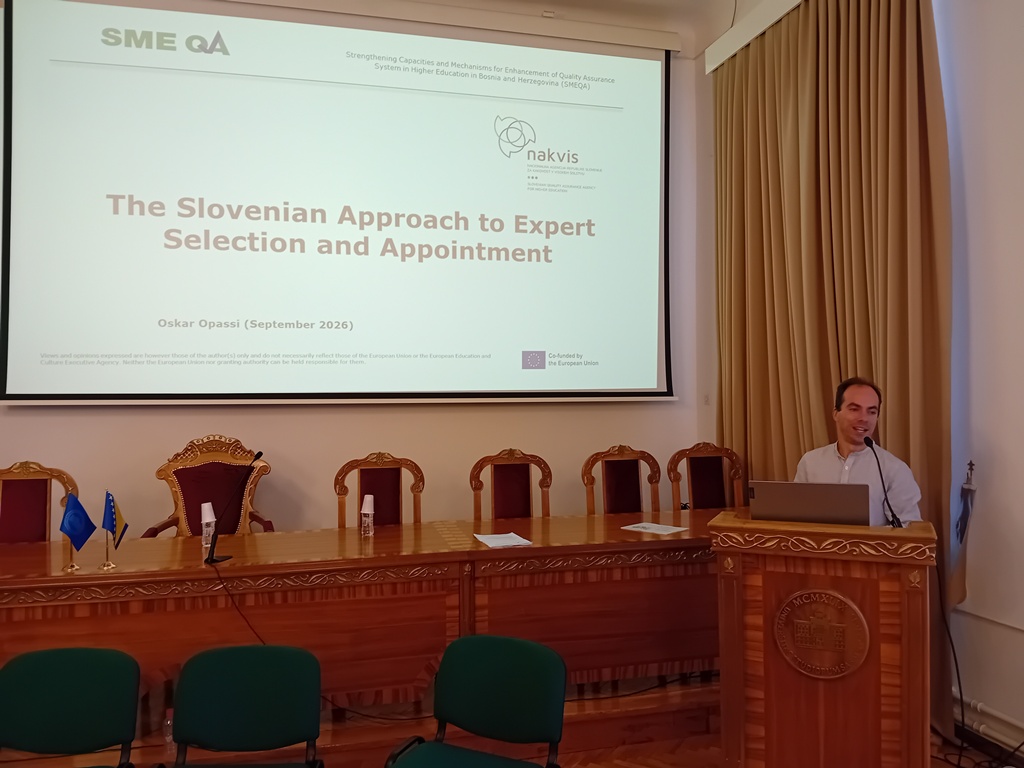
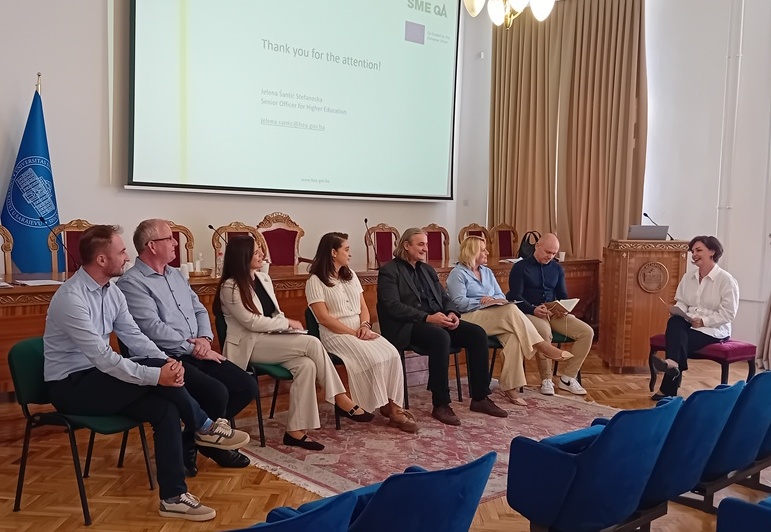
The second day was dedicated to the criteria for selecting and appointing experts, as well as experiences from their training. Representatives of the competent ministries and higher education institutions participated in a panel discussion on the required professional qualifications, experience, and competencies of experts, as well as on the composition and role of expert committees. Representatives of the Croatian Agency for Science and Higher Education (AZVO) and the Slovenian Quality Assurance Agency (NAKVIS) presented regional practices, whose applicability was considered in the context of higher education in Bosnia and Herzegovina.
A special session, titled “Expert Training: Results, Experiences, and Lessons Learned,” was dedicated to the objectives and methodology of the trainings, the topics and competencies covered, theoretical and practical exercises, and feedback from trained experts. Representatives of the participating universities exchanged experiences and highlighted key lessons learned and opportunities for improving future trainings.
The roundtable concluded with a review of the most important findings and recommendations arising from the two days of discussions. The exchange of experiences enabled participants to identify common challenges and consider concrete directions for further strengthening quality assurance mechanisms, while continuing cooperation within the SMEQA project.
The SMEQA project is funded under the Erasmus+ capacity-building program in higher education and provides support for strengthening institutional capacities and improving quality assurance mechanisms in higher education in Bosnia and Herzegovina.