At the Faculty of Political Sciences of UNSA, an international conference on European and transatlantic cooperation opened
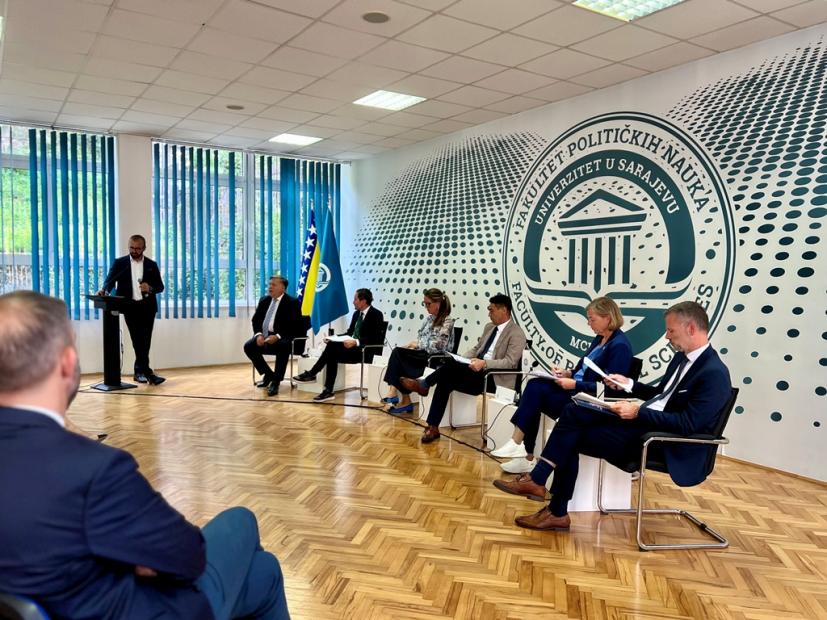


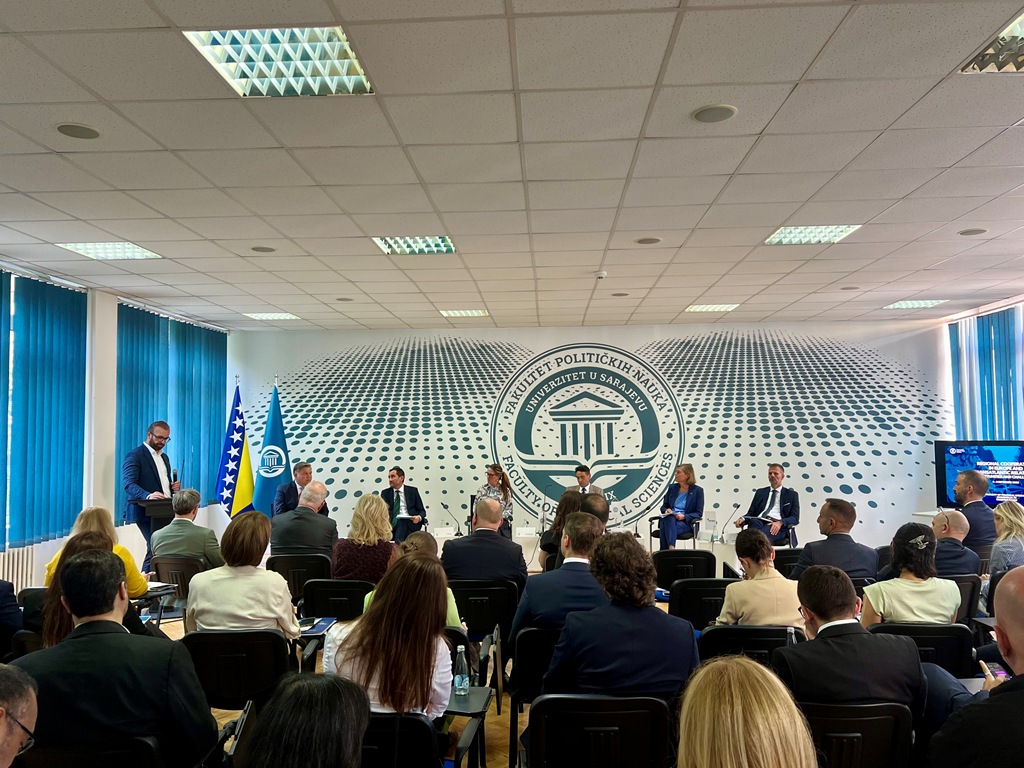
On Thursday, 4 September 2025, the Faculty of Political Sciences, University of Sarajevo officially opened a two-day international conference titled “Regional Cooperation in Europe and Transatlantic Relations: Opportunities and Challenges.”
This event is held within the framework of the project “European Regional Cooperation as a Platform for Deepening Transatlantic Relations,” implemented in partnership with the U.S. State Department through the prestigious International Visitor Leadership Program (IVLP). This once again confirms the Faculty of Political Sciences as a significant academic and political platform for discussing key issues of European security and transatlantic relations.
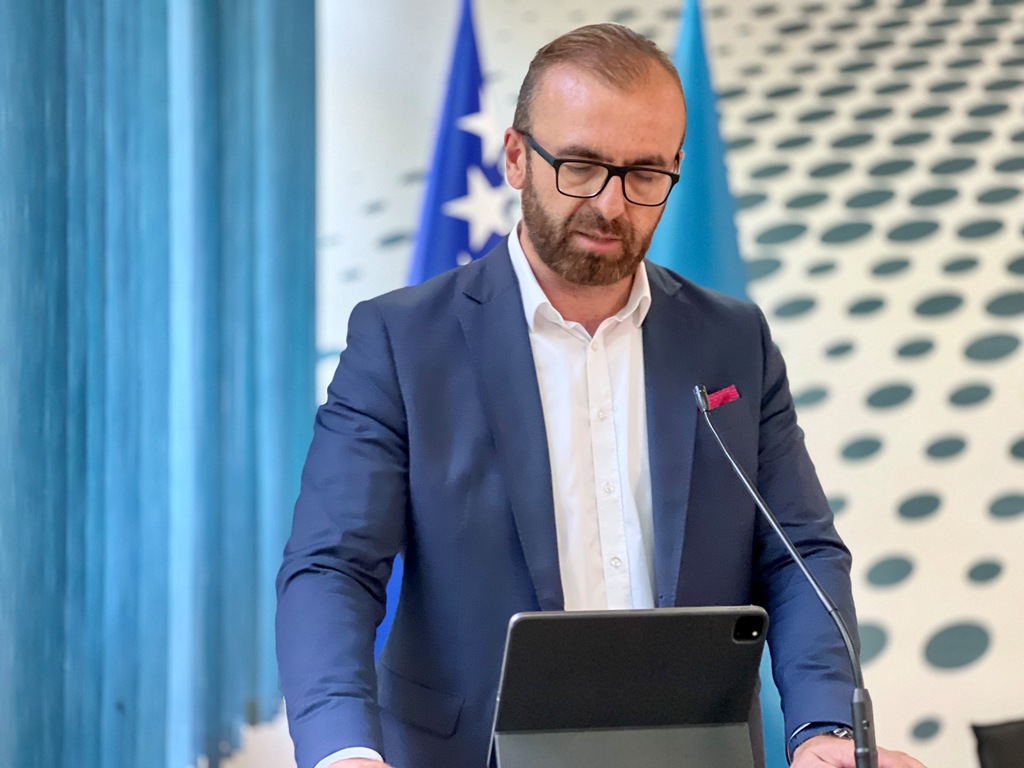
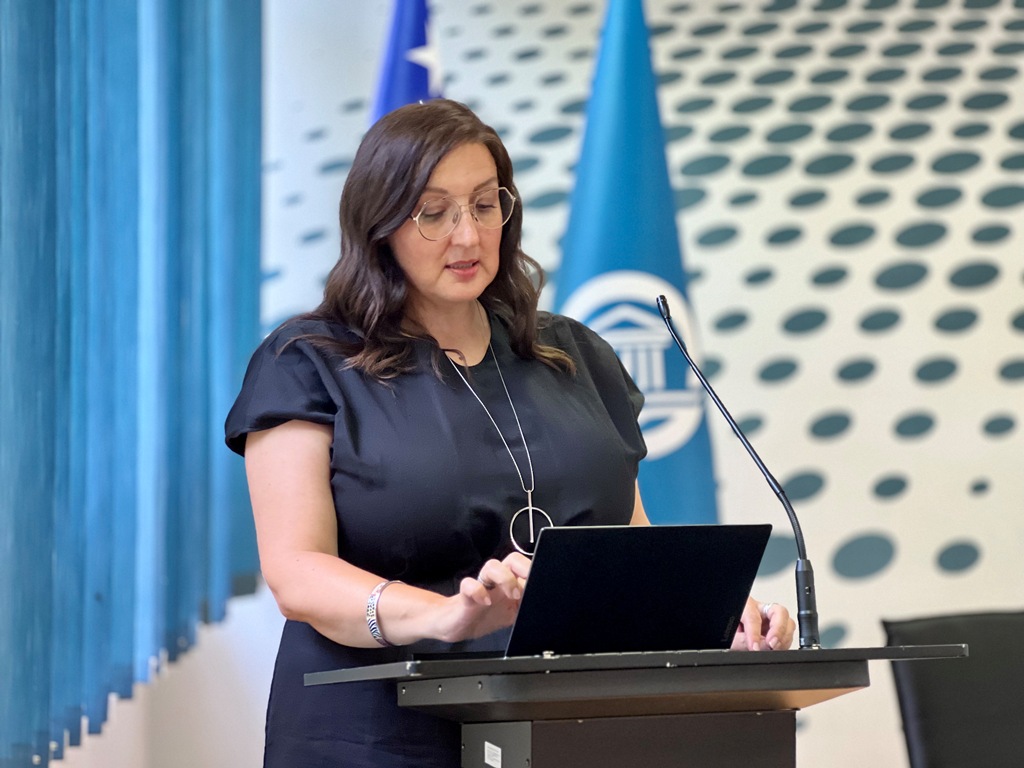
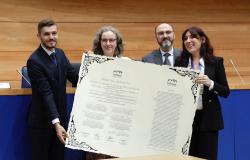
The program of the conference was opened by the Dean of the Faculty of Political Sciences, Prof. Dr. Sead Turčalo, who is this year's IVLP Impact Award recipient, while the introductory address was delivered by Prof. Dr. Nedžma Džananović Miraščija. She emphasized that NATO and the European Union can no longer afford to operate in parallel or fragmented ways, and that their complementarity is of vital importance for Europe’s resilience.
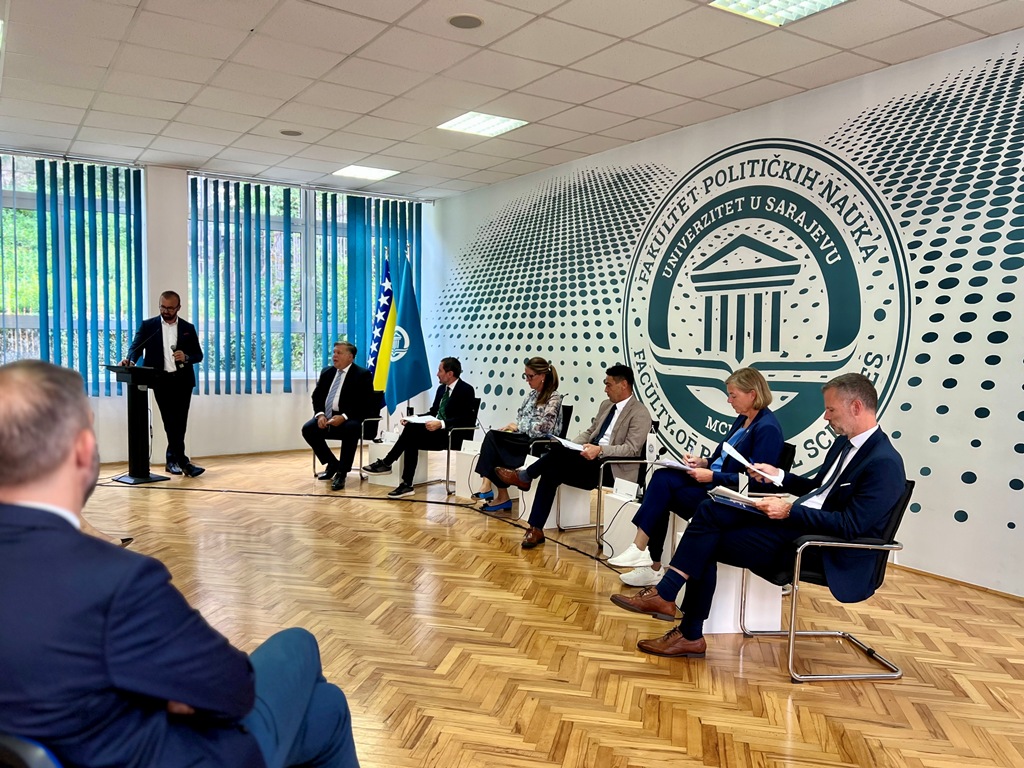
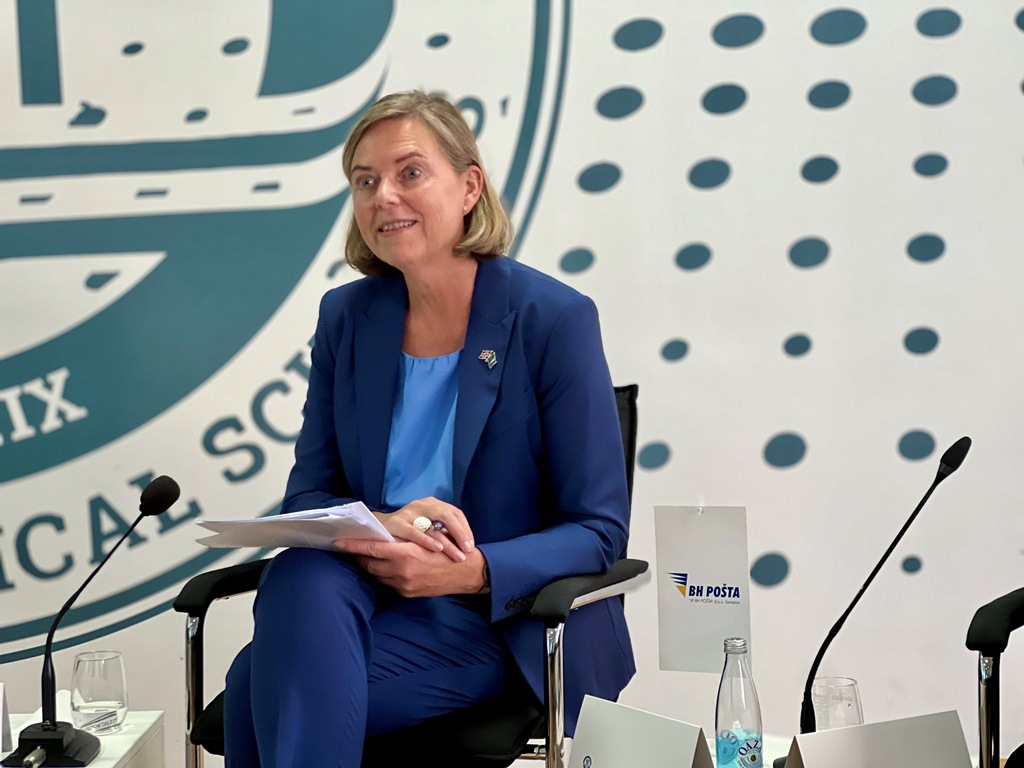
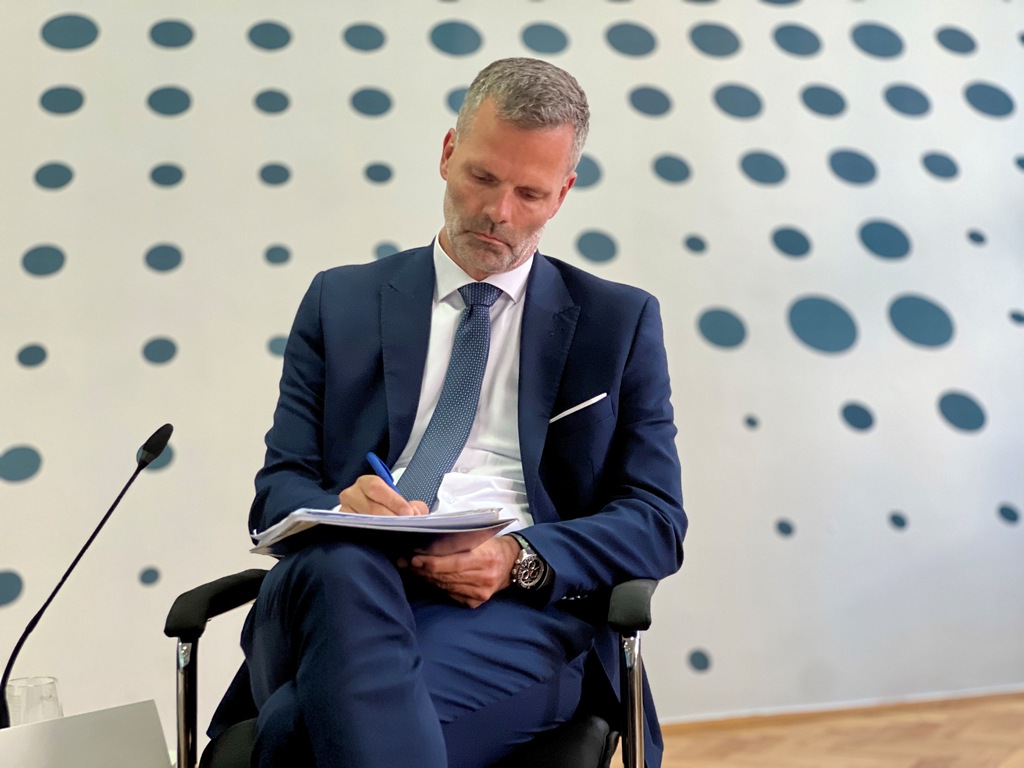
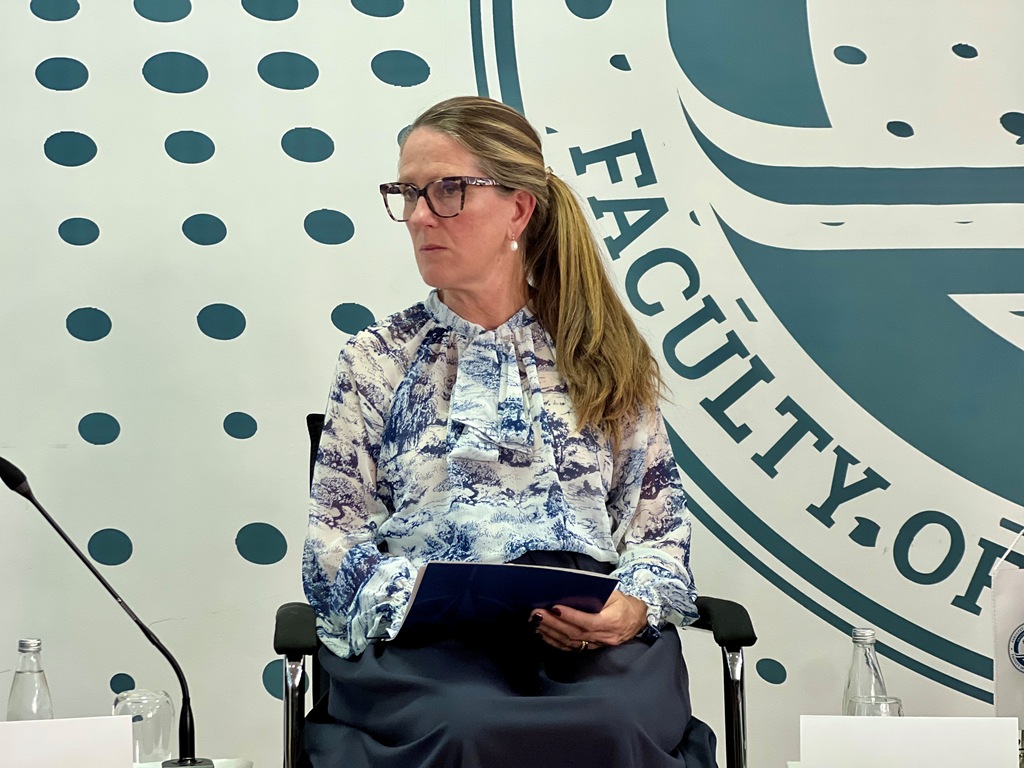
The central part of the first day of the conference was a roundtable titled “European Security Cooperation at a Crossroads: The Cases of the Western Balkans and the Nordic Region,” moderated by Prof. Dr. Turčalo. Participants included Josip Brkić, Deputy Minister of Foreign Affairs of BiH; ambassadors of Norway and Sweden to BiH, Katherine Biering and Helena Lagerlöf; Danish ambassador to BiH Åge Sandal Møller; Alessandro Marrone from Rome’s Istituto Affari Internazionali; and Dr. Alija Kožljak, Head of Cabinet of BiH Presidency member Dr. Denis Bećirović.
Discussions covered a range of important topics — from Bosnia and Herzegovina’s legal obligations regarding NATO membership, through challenges of modernization and political blockades, to experiences of Nordic countries demonstrating how integration and mutual trust strengthen resilience. Participants highlighted that without reforms and a clear political will, the Western Balkans remains a vulnerable segment of the European security architecture, while the Nordic model offers valuable lessons on synergy and building stability.
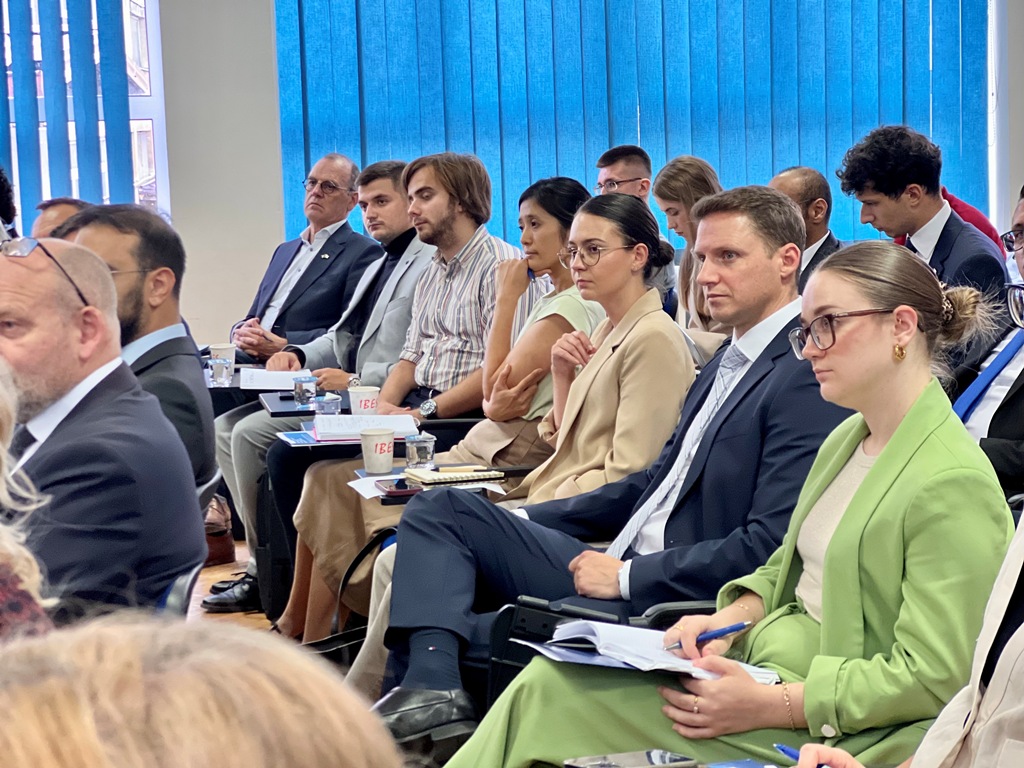
The first day of the conference concluded with an open debate among students, diplomats, and experts with panelists, emphasizing the challenges of European energy dependence, low defense spending in BiH, and whether it is possible to transfer Scandinavian values of trust and social cohesion to the Balkan region.
A clear message from the gathering was that European and transatlantic security can only be built through synergy, not competition. NATO, the European Union, and regional initiatives must act as complementary layers of a unified security architecture.
The conference continues with two closed panels under Chatham House rules, where high-ranking military officials, NATO representatives, and domestic and international researchers will speak.